cultural
Balu Nag Temple
Ancient Kath-Khuni Shrine at Bahu Village
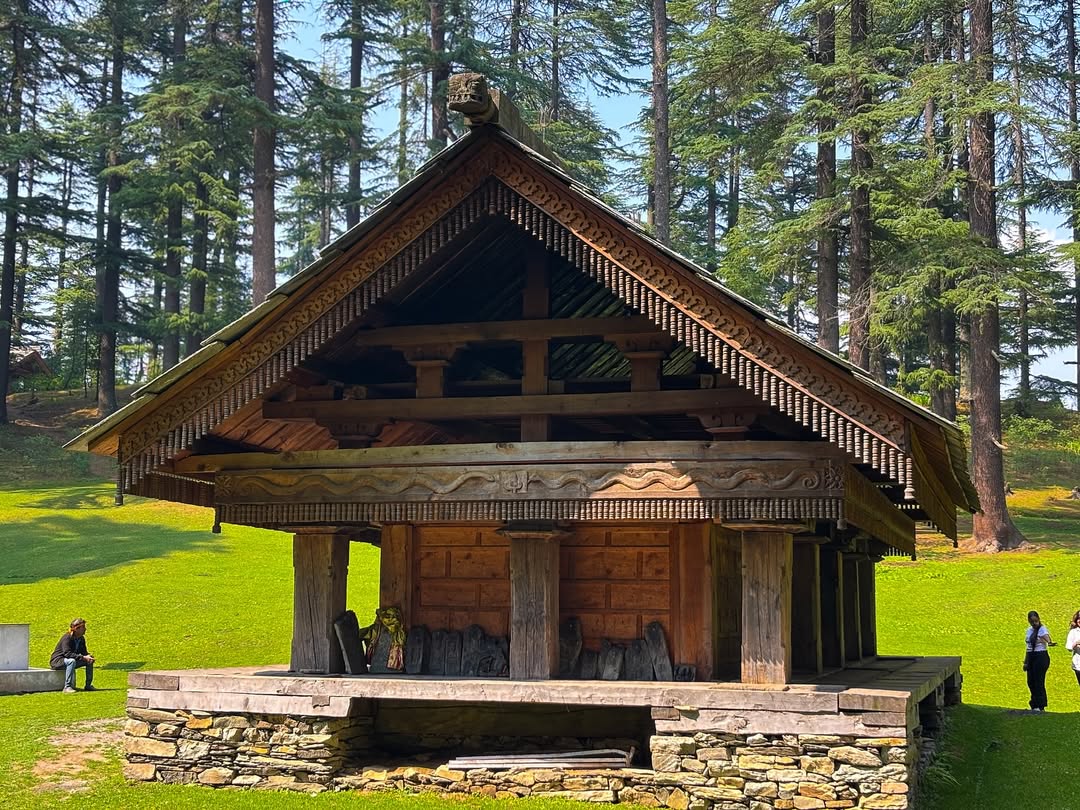
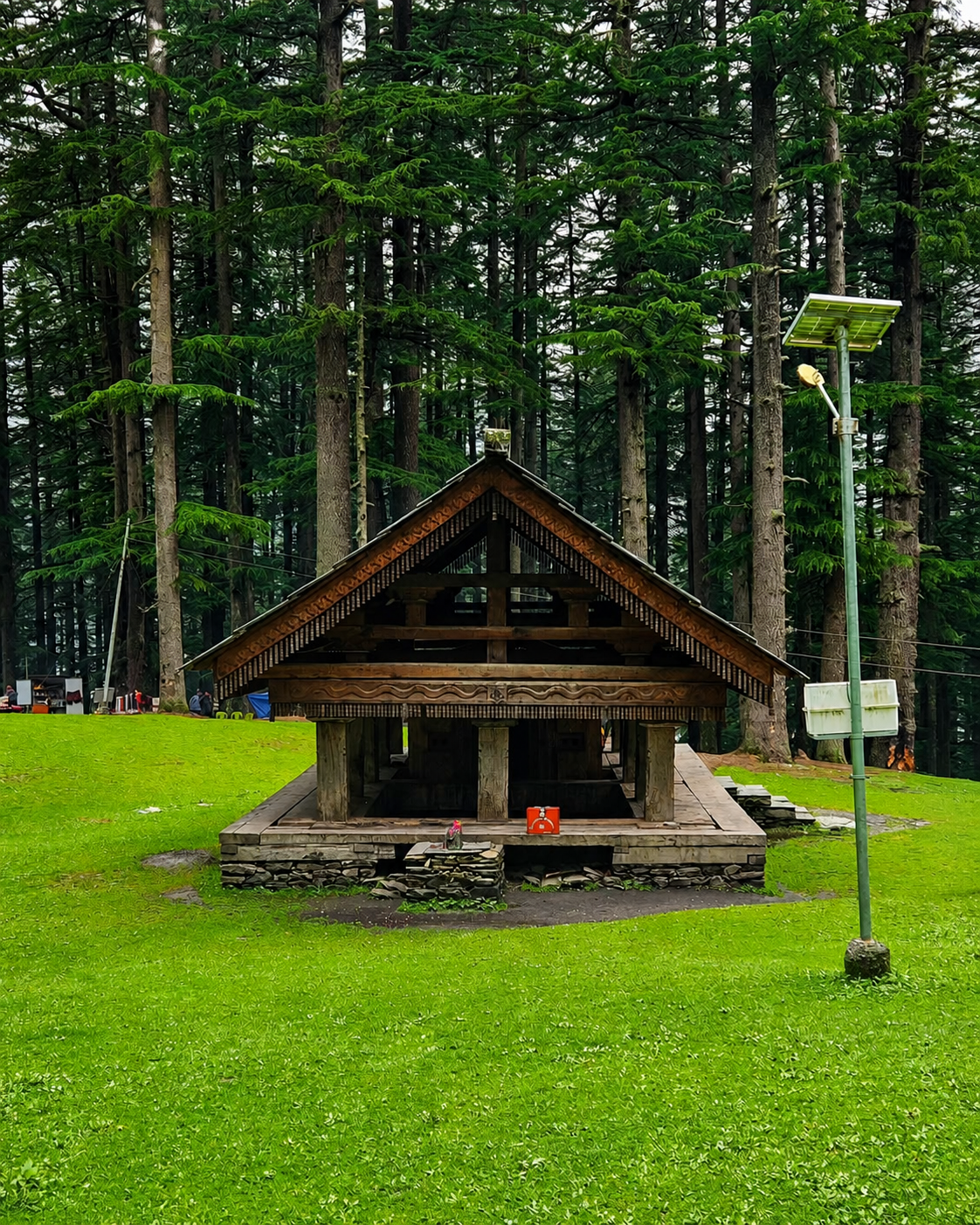
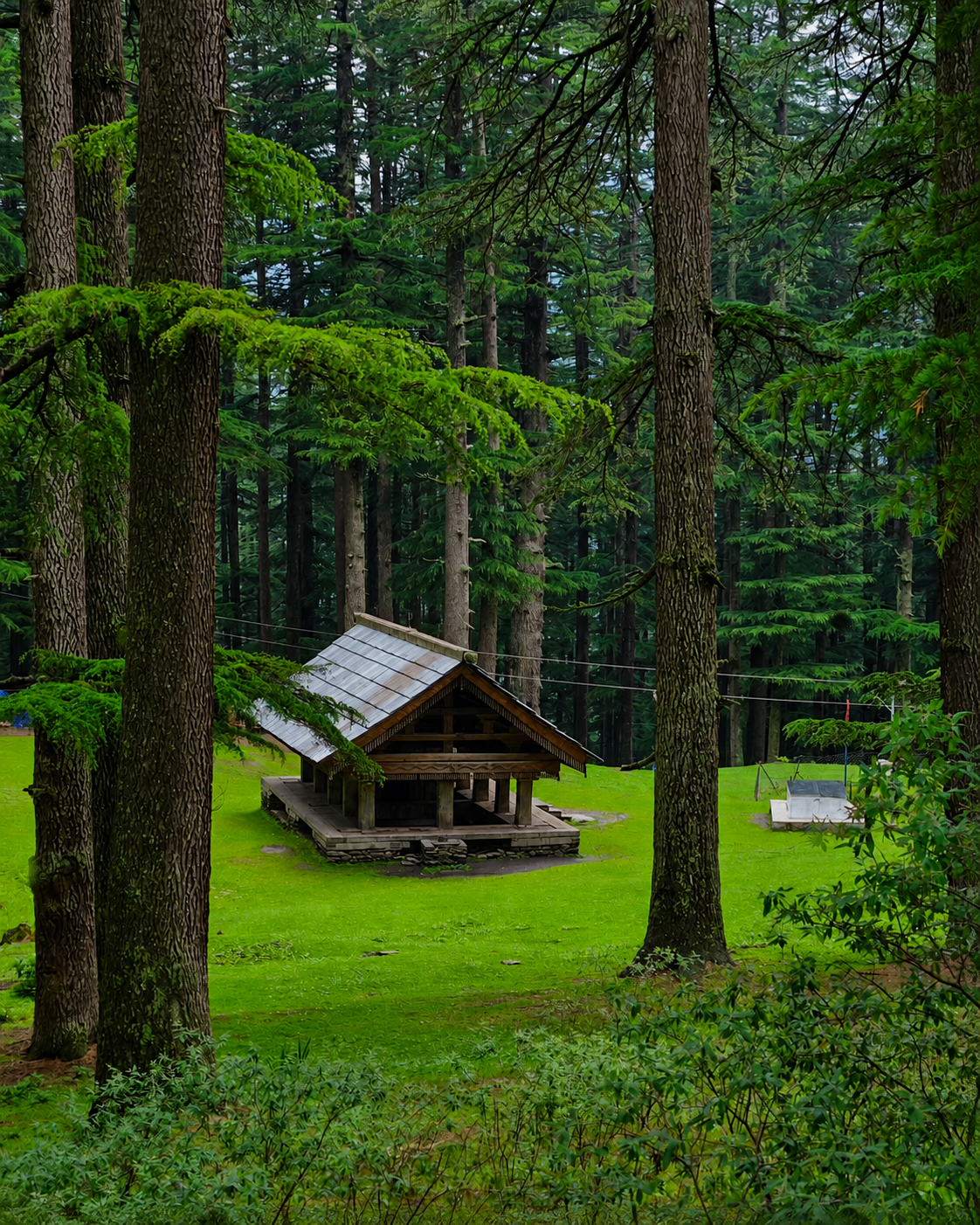
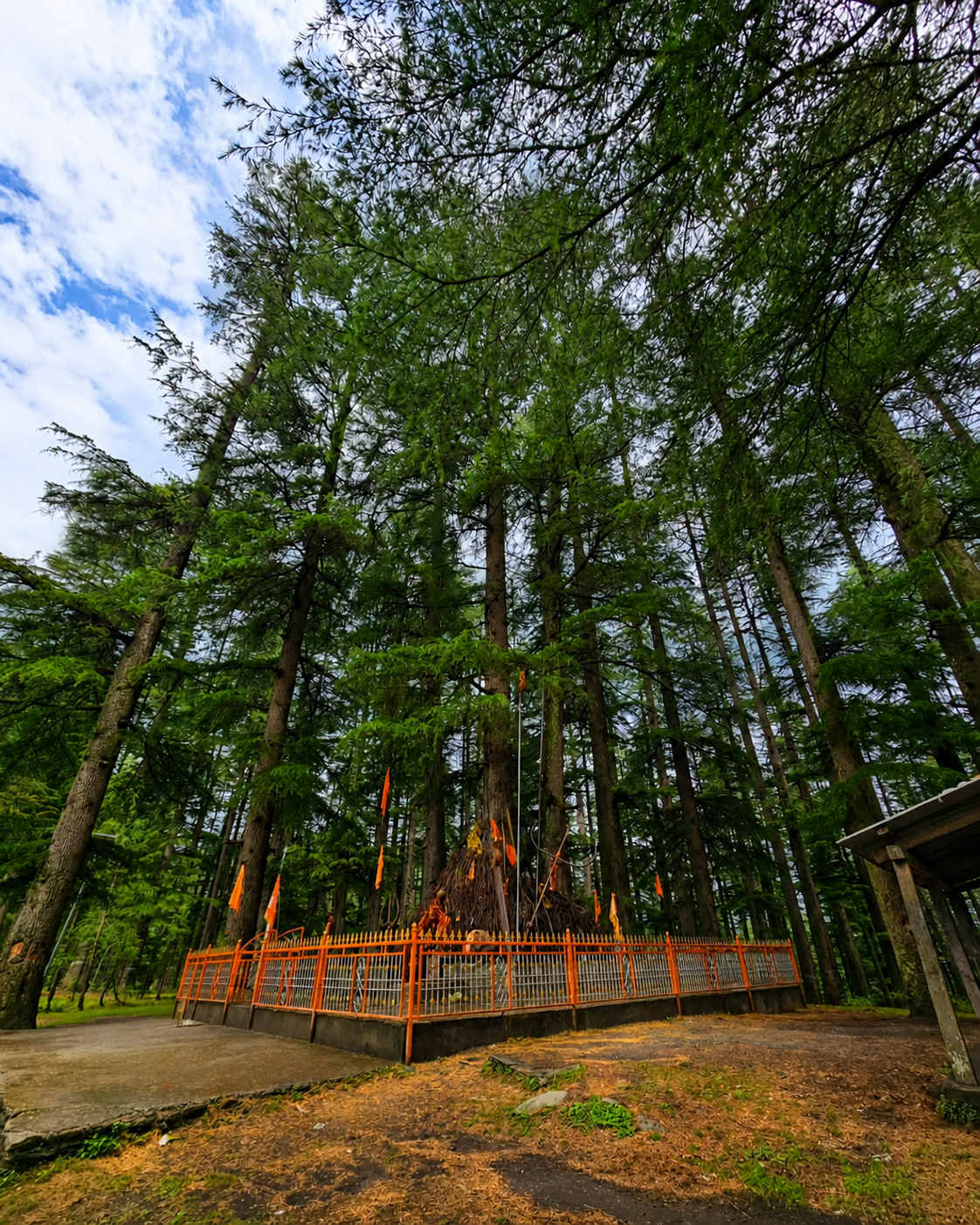
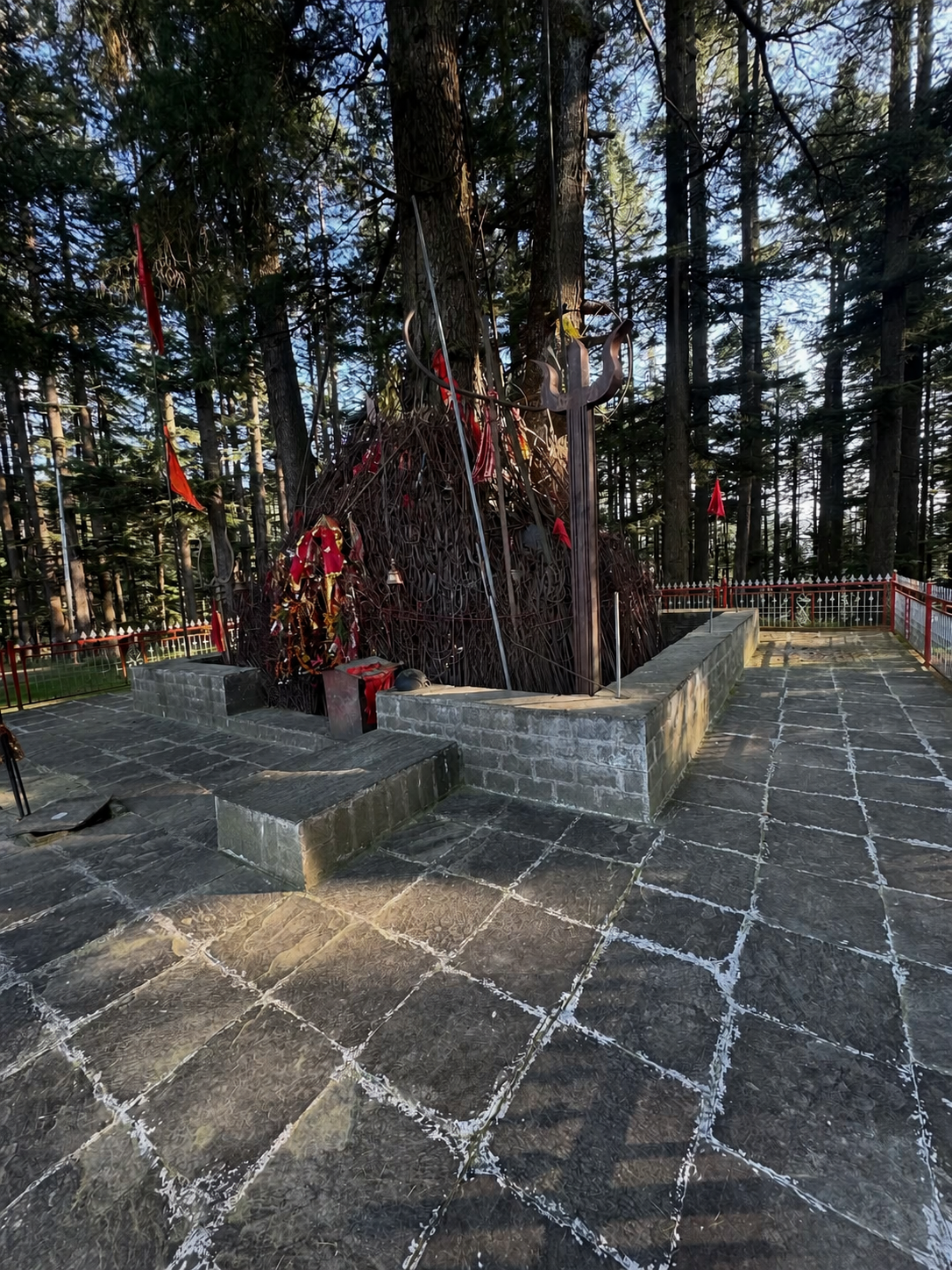
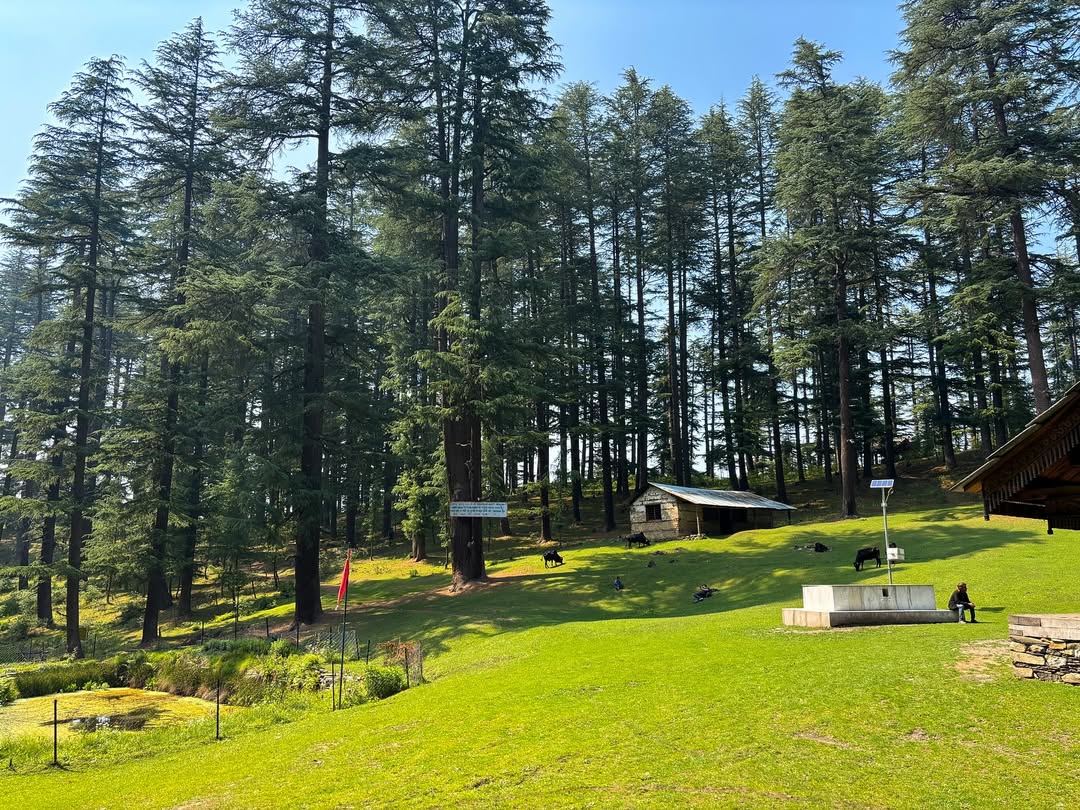
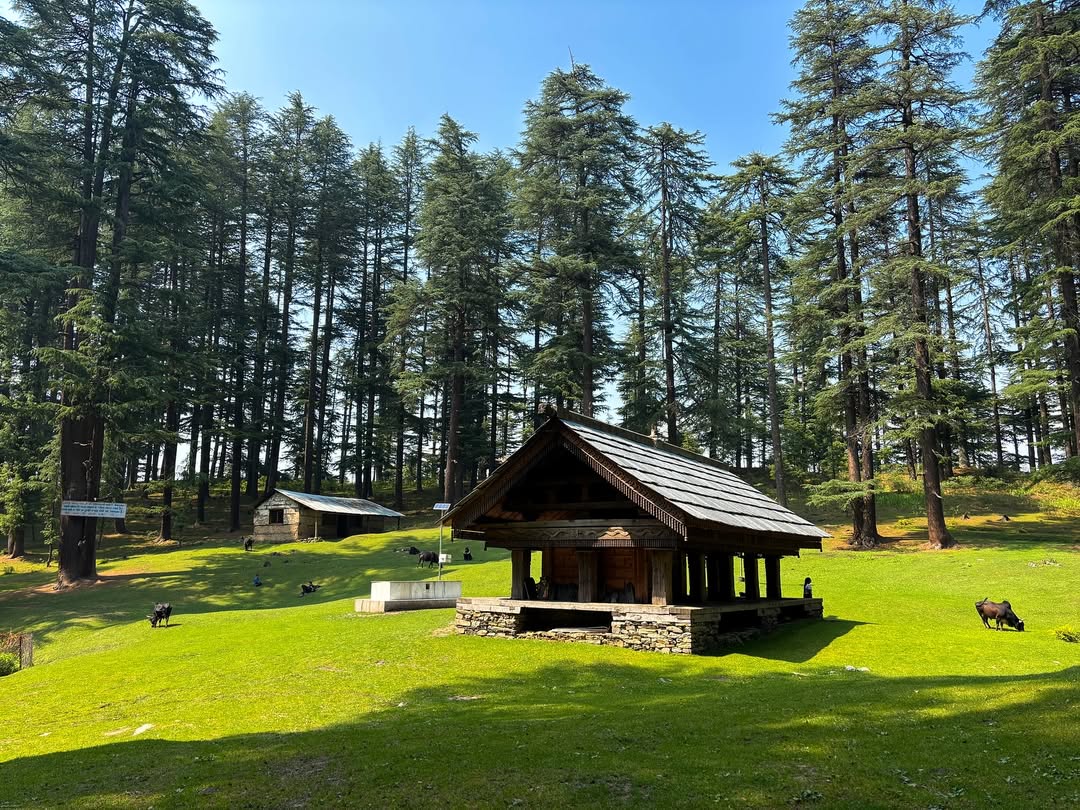
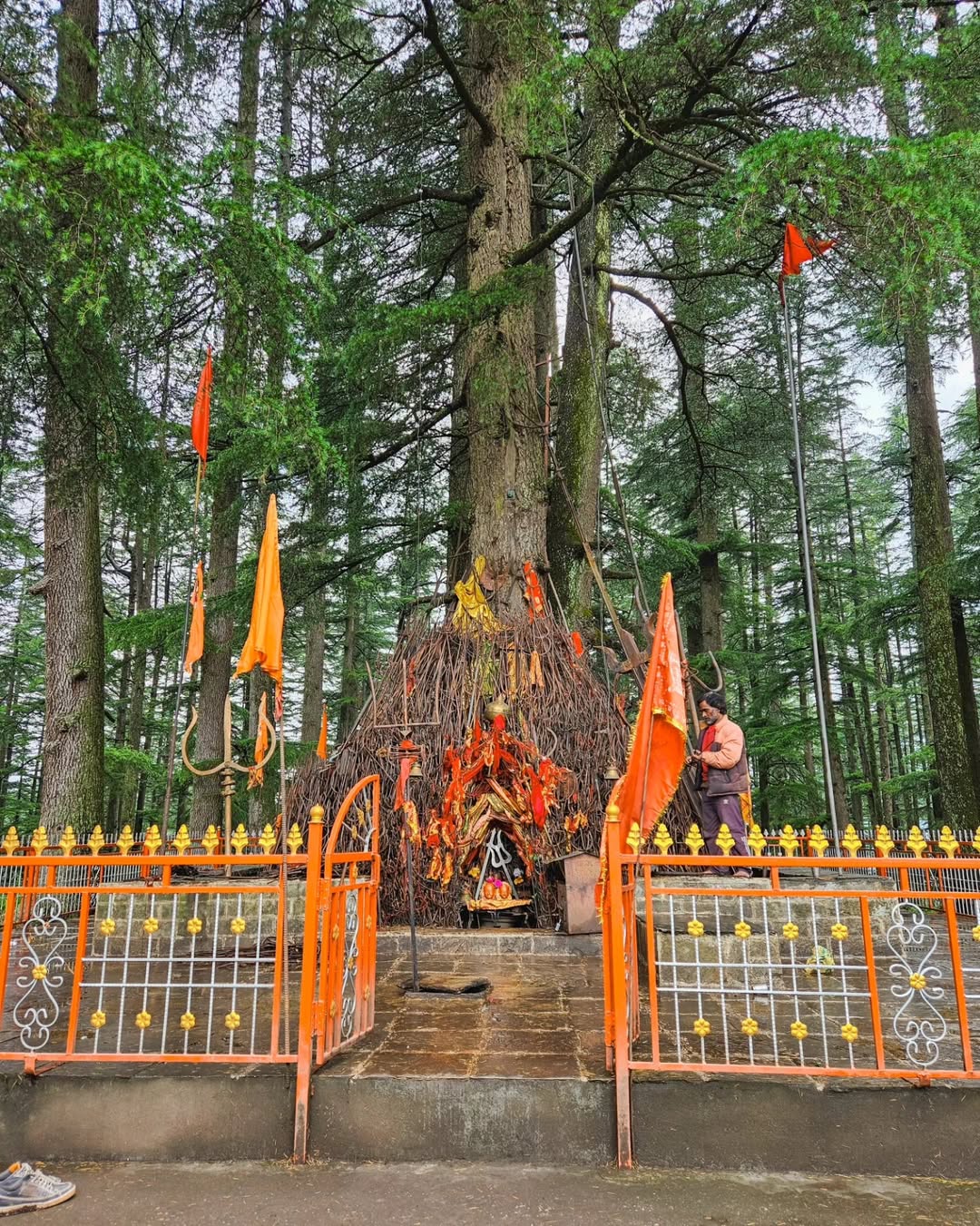
Balu Nag Temple sits in Bahu village, 9 km from Jibhi on the Gadagushaini road. It is a kath-khuni shrine — the traditional Himachali building technique of interlocking wood and stone without mortar — built centuries ago according to local oral history. The surroundings are dense, green, and genuinely quiet.
Location
Bahu village, 9 km from Jibhi (Gadagushaini road)
Trail to temple
30–45 minutes from road
Difficulty
Easy
Duration
Half day (3–4 hours)
Entry fee
None
Overview
Balu Nag Temple sits in Bahu village, 9 km from Jibhi on the Gadagushaini road. It is a kath-khuni shrine — the traditional Himachali building technique of interlocking wood and stone without mortar — built centuries ago according to local oral history. The surroundings are dense, green, and genuinely quiet. Very few visitors find it. The temple is actively maintained by the local community.
At a Glance
Location
Bahu village, 9 km from Jibhi (Gadagushaini road)
Trail to temple
30–45 minutes from road
Difficulty
Easy
Duration
Half day (3–4 hours)
Entry fee
None
Also known as
Balo Nag Temple, Balo temple Jibhi
Best season
March–November
Background
History
Kath-khuni construction was the dominant building technique across this part of Himachal Pradesh for centuries. The interlocking of deodar wood and stone without mortar creates structures that are both earthquake-resistant and self-regulating in temperature. Balu Nag Temple is one of the well-preserved examples in the Banjar valley — its age, based on local oral history, is several centuries. The deity Balu Nag is a serpent deity significant in the local folk tradition of this region.
Construction
Architecture
The shrine uses the traditional kath-khuni layering — alternating courses of deodar timber and stone. The carved wooden doors and window panels are the most visually striking element. The craftsmanship in the wood carving reflects skills that are increasingly rare in the valley.
Visitor Notes
Visiting the Site
The temple is active — remove footwear before entering, do not touch offerings, and approach with the same respect you would give any place of active worship. Photography is generally permitted outside the sanctum but ask before photographing inside.
Getting There
How to Get There
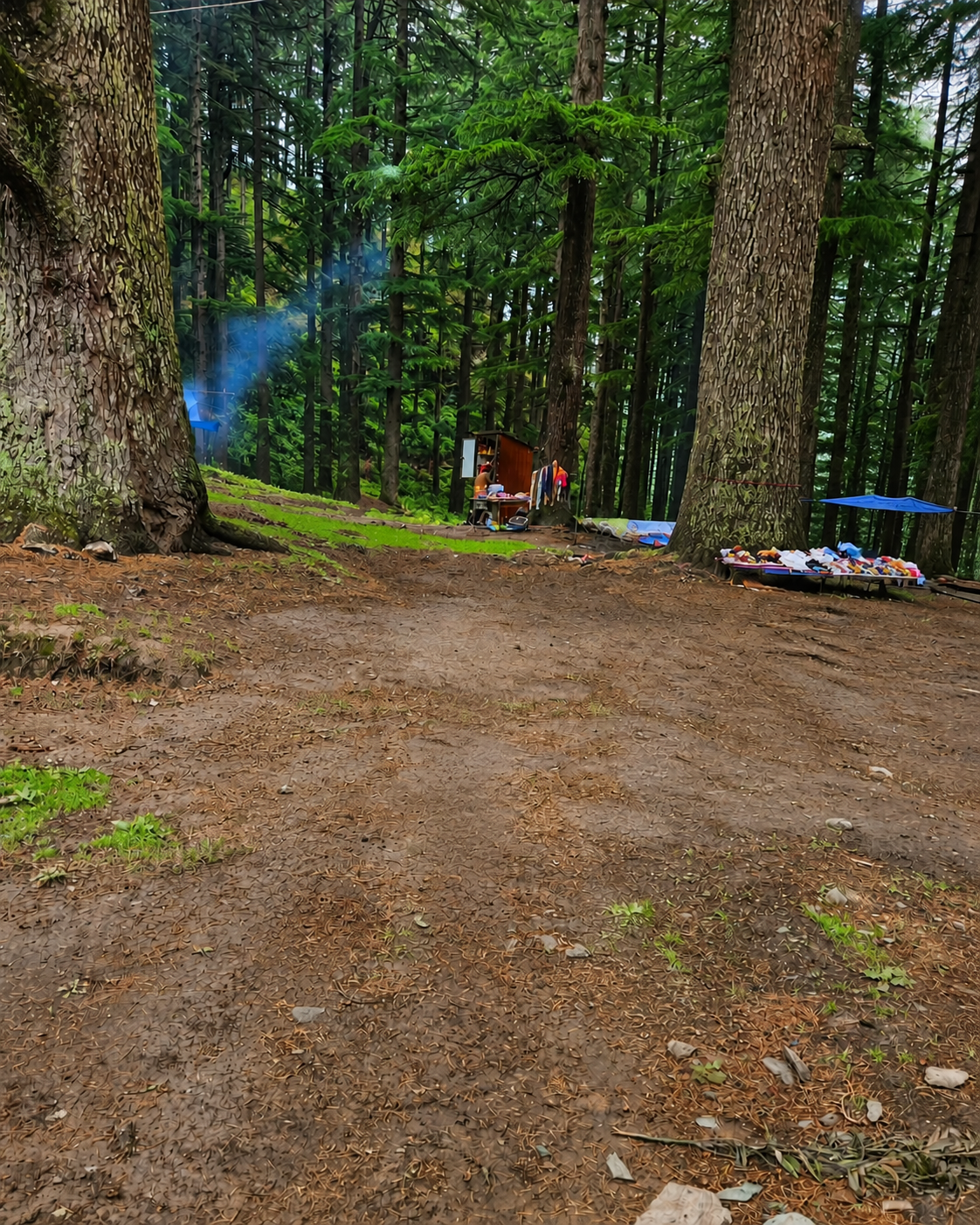
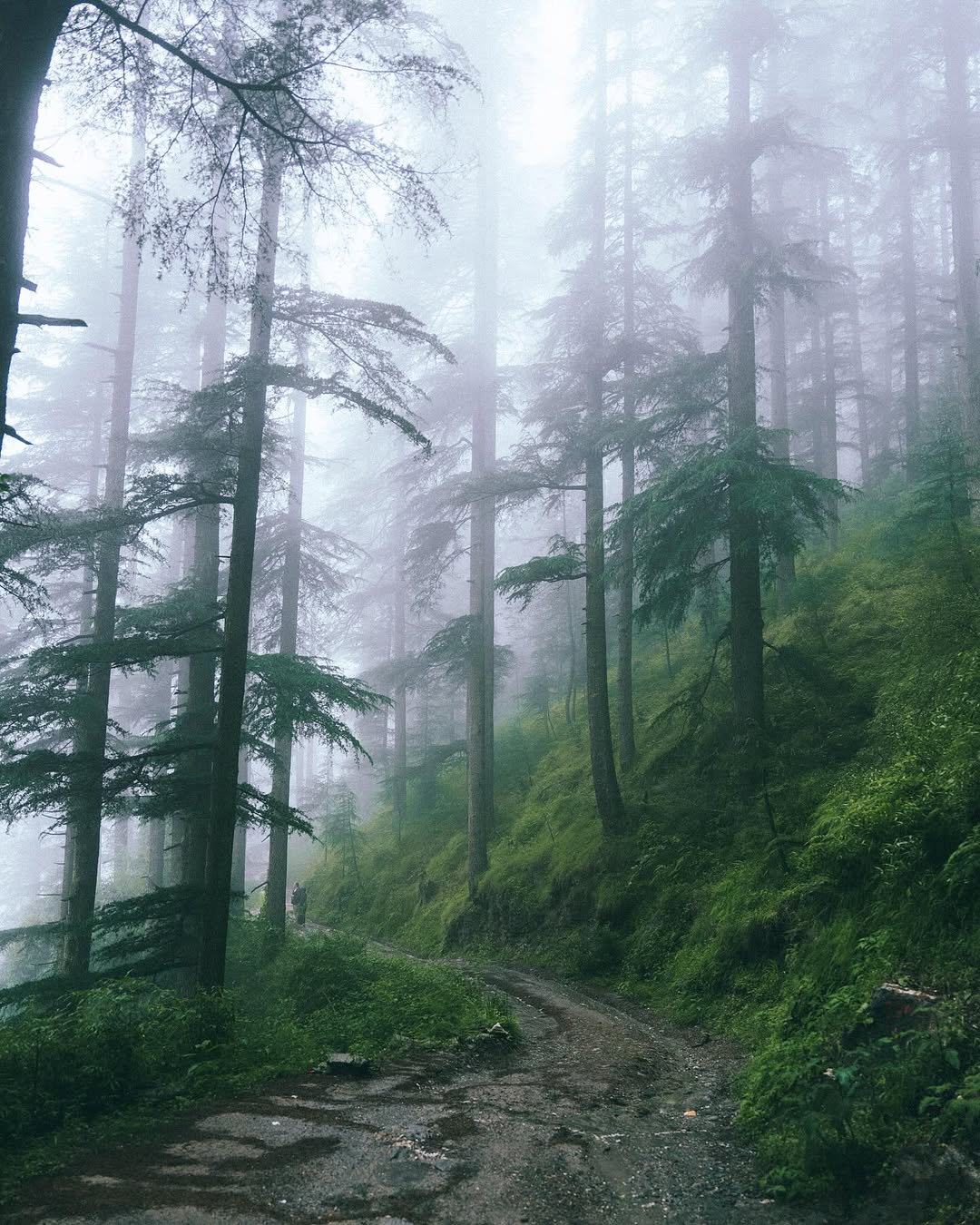
From Jibhi, take the Gadagushain road and drive for approximately 9 km to reach Bahu village. At the Bahu main chowk, take a right turn. Within 300–400 metres, you’ll reach Bahu Lake. This stretch is fully motorable and usually accessible in all seasons. From Bahu Lake onward, the road to Balo Temple is about 4 km and remains unpaved. In dry conditions, you can manage this stretch by car and reach close to the temple. However, during monsoon or after rain, the road becomes rough and slippery, making it difficult for most vehicles. In such cases, it’s better to walk the remaining stretch. The route passes through a dense deodar forest, and the walk itself becomes part of the experience.
Timing
Best Time to Visit
Best months
- March–November
Avoid
- December–February (cold, trail can be muddy)
You can comfortably cover Balo Temple, Jibhi Waterfall, and Mini Thailand in one day if you start early. Begin your day with Balo Temple — it’s the farthest and takes the most time. On your way back, stop at Jibhi Waterfall, followed by Mini Thailand (Kulhi Katandi). In the evening, keep it relaxed with cafe hopping in Jibhi, and you’ll be back at your stay by around 7–8 PM.
Practical
Practical Notes
Gallery
11 photos
Plan Your Visit
Stay at Winterfell, Explore from Here
Private cottages in Jibhi and Tandi — hot tubs, valley views, no OTA markup. A short drive to everything worth doing in the valley.