cultural
Chehni Kothi
17th-Century Defensive Tower at Bini Village
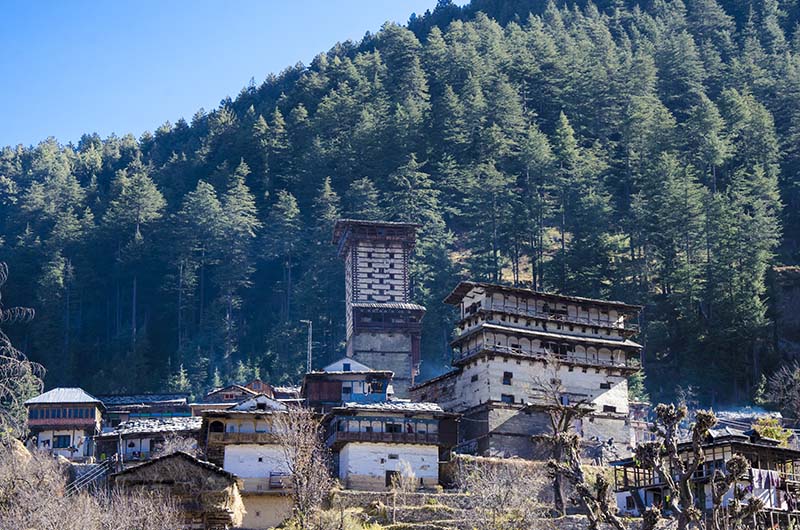
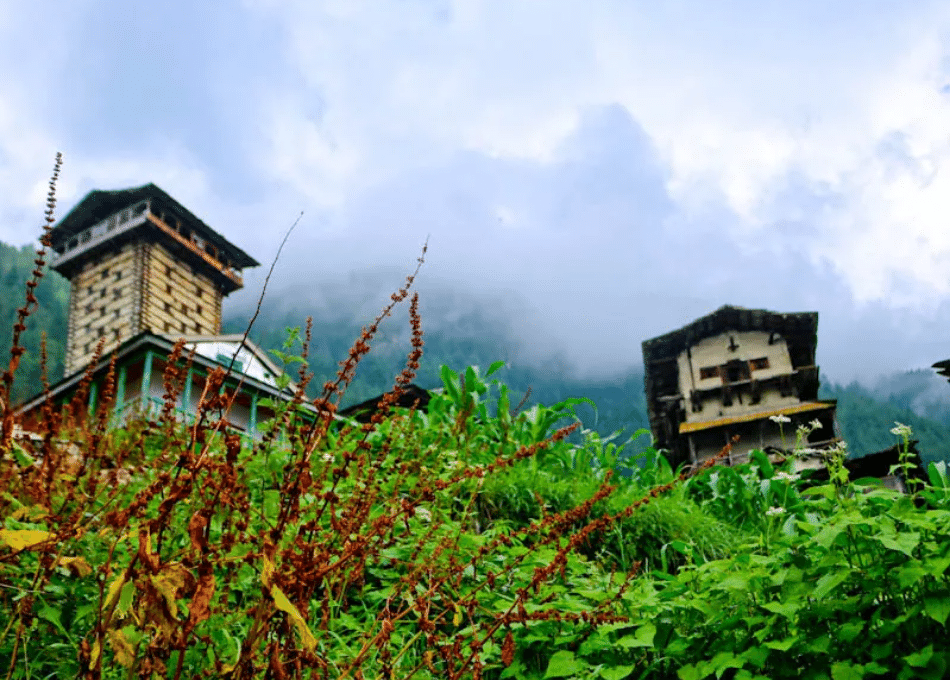
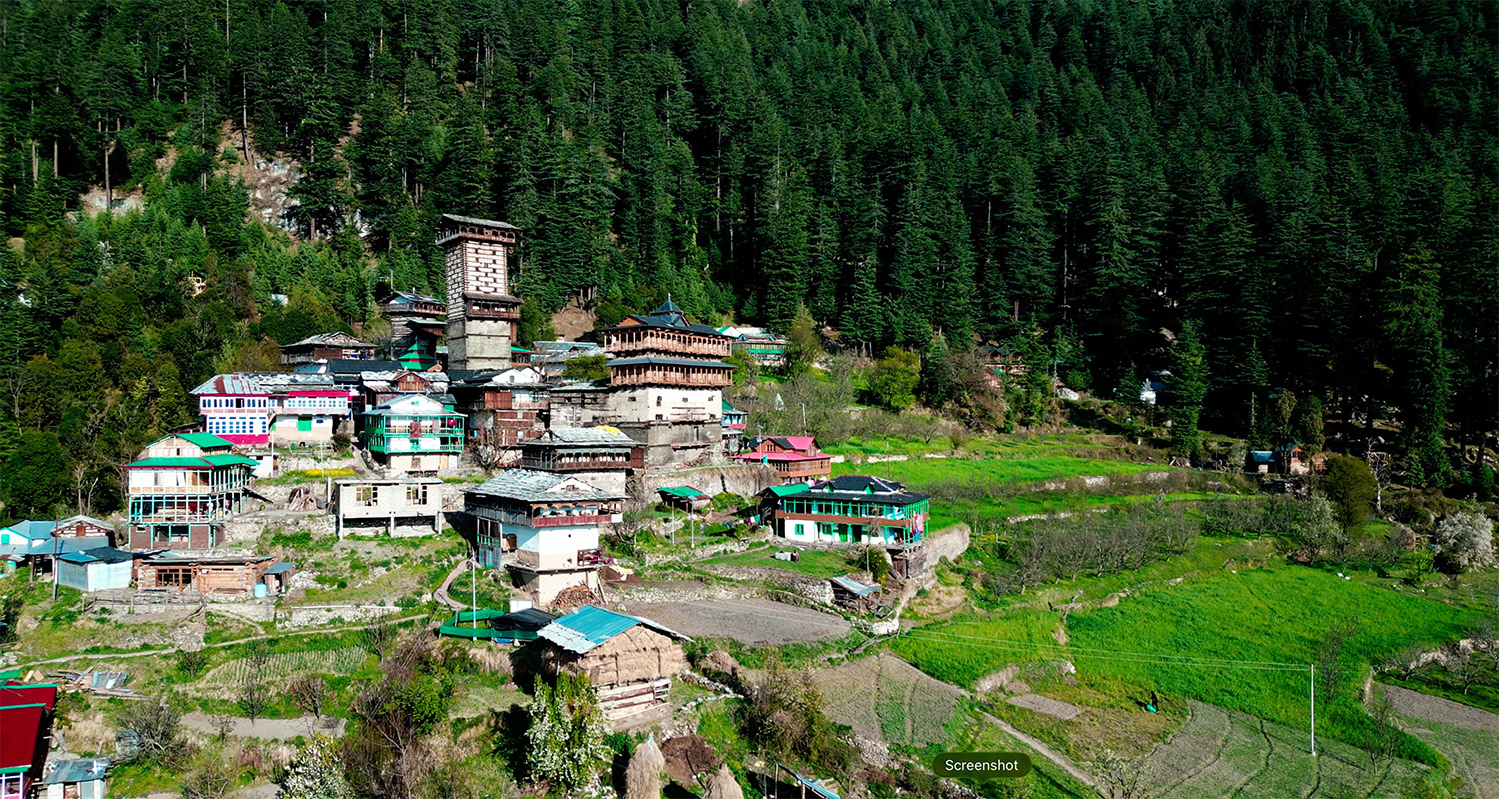
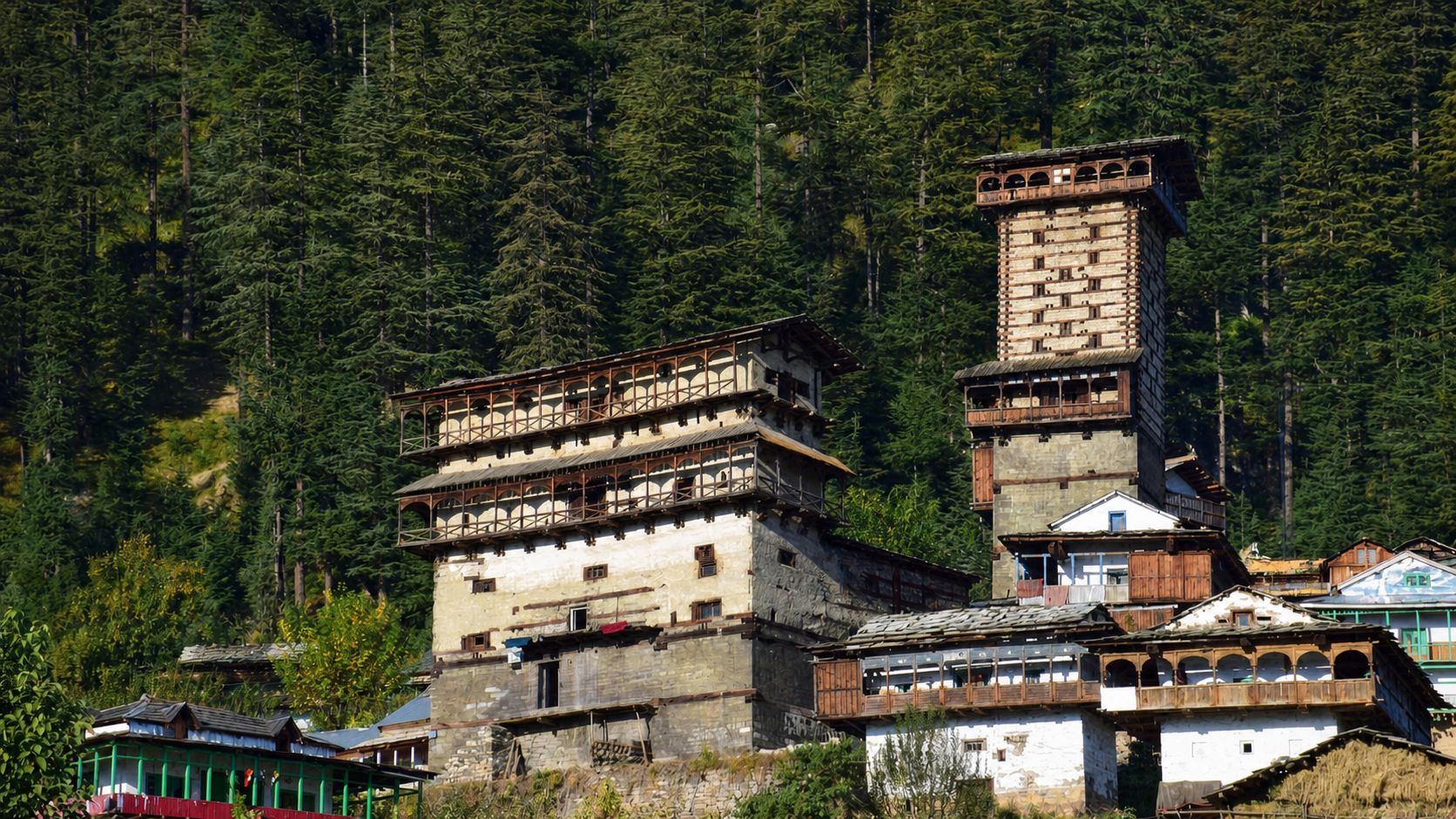
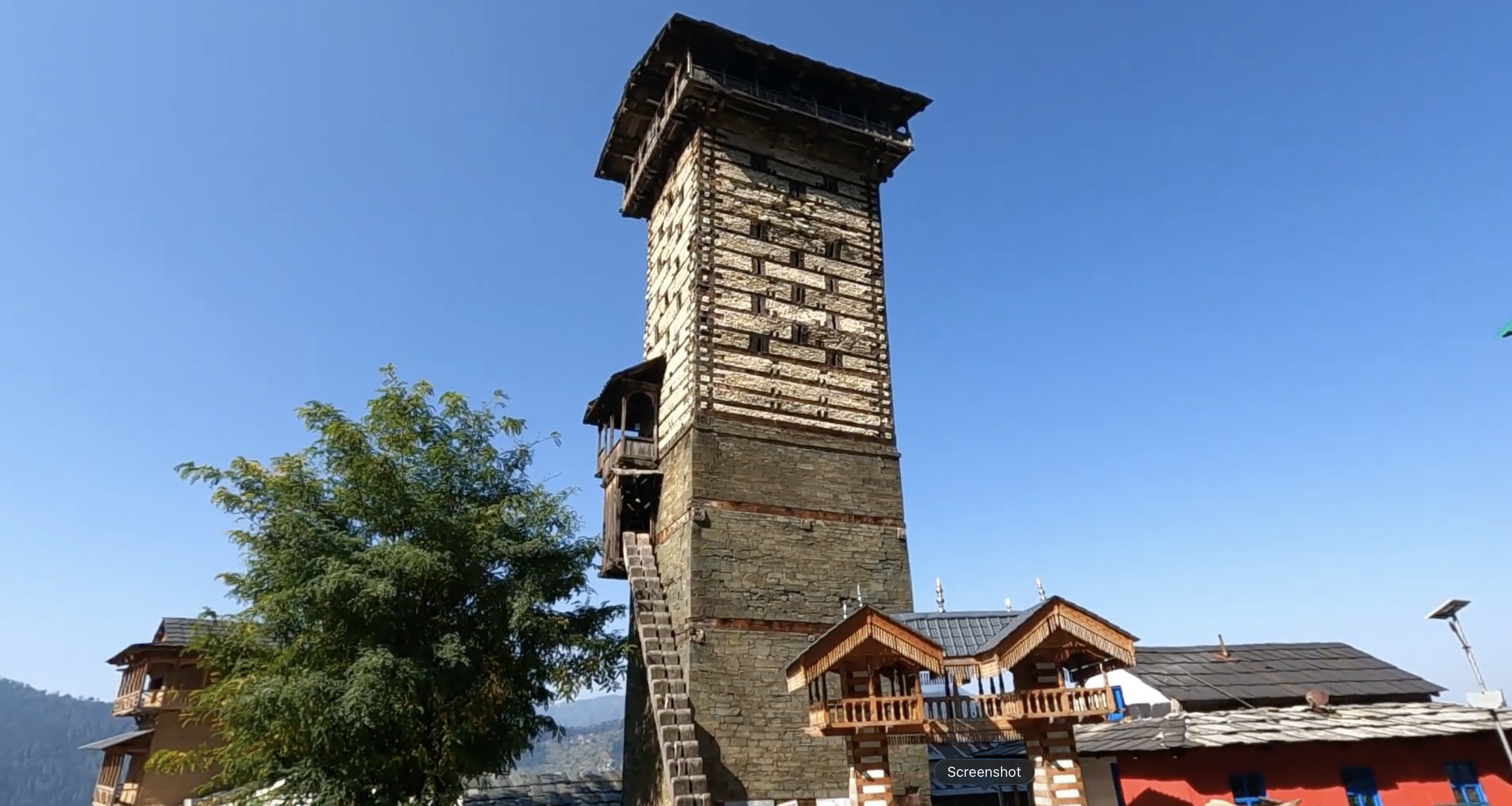
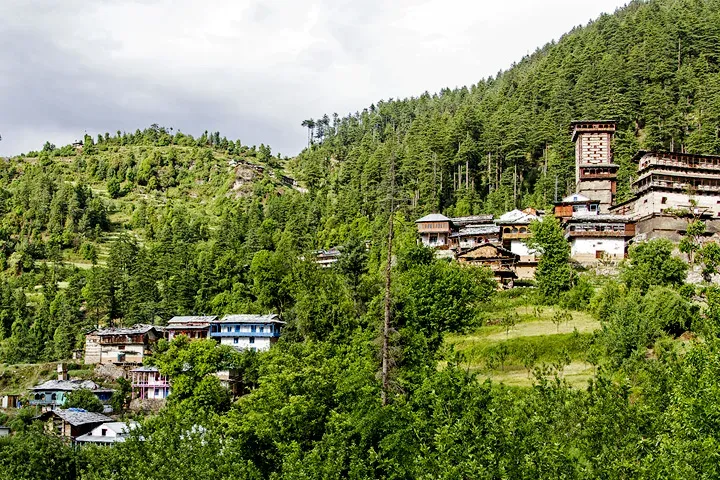
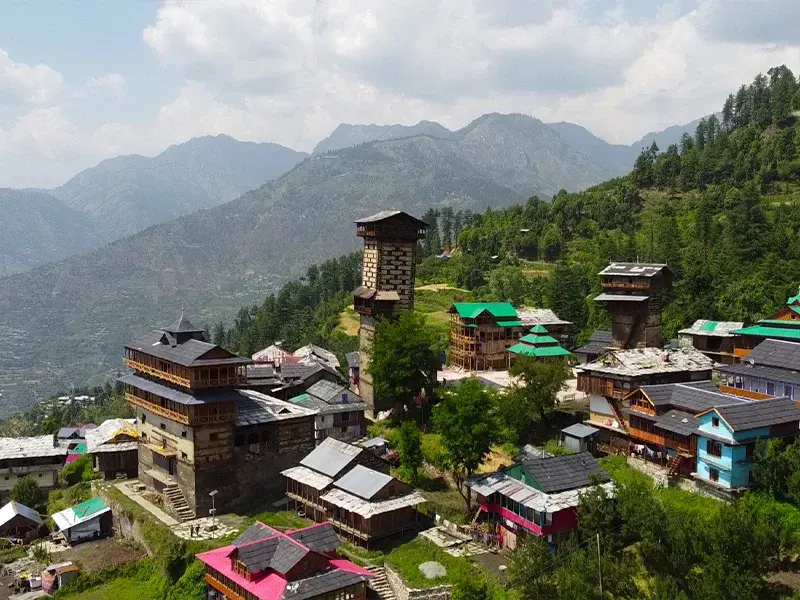
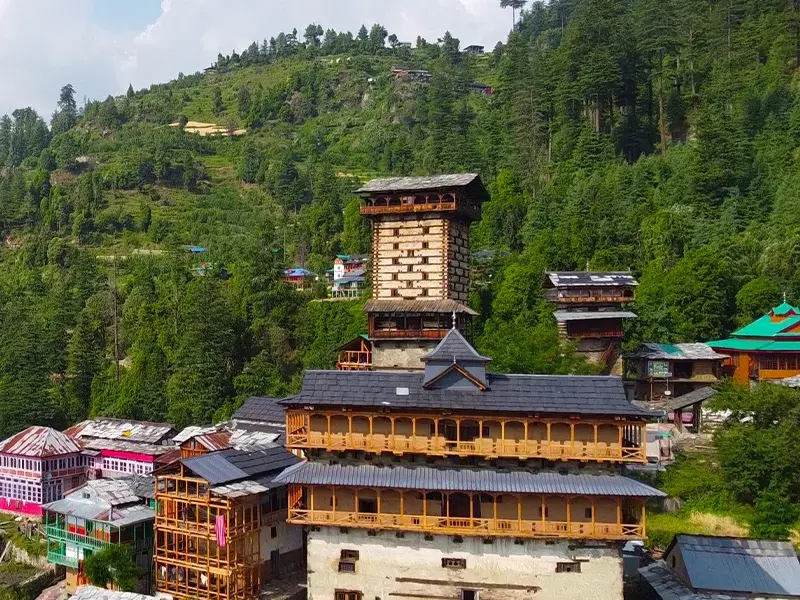
Chehni Kothi is one of the most impressive traditional structures in Kullu district and one of the least visited. A seven-storey defensive tower built in the 17th century in Bini village, now functioning as a temple dedicated to Shringa Rishi and Goddess Chehni. The top two storeys were lost in the 1905 earthquake.
Location
Bini village, ~10 km from Jibhi (7 km from Banjar)
Trail to tower
Short forest footpath from Bini village
Difficulty
Easy
Duration
Half day (3–4 hours)
Entry fee
None
Overview
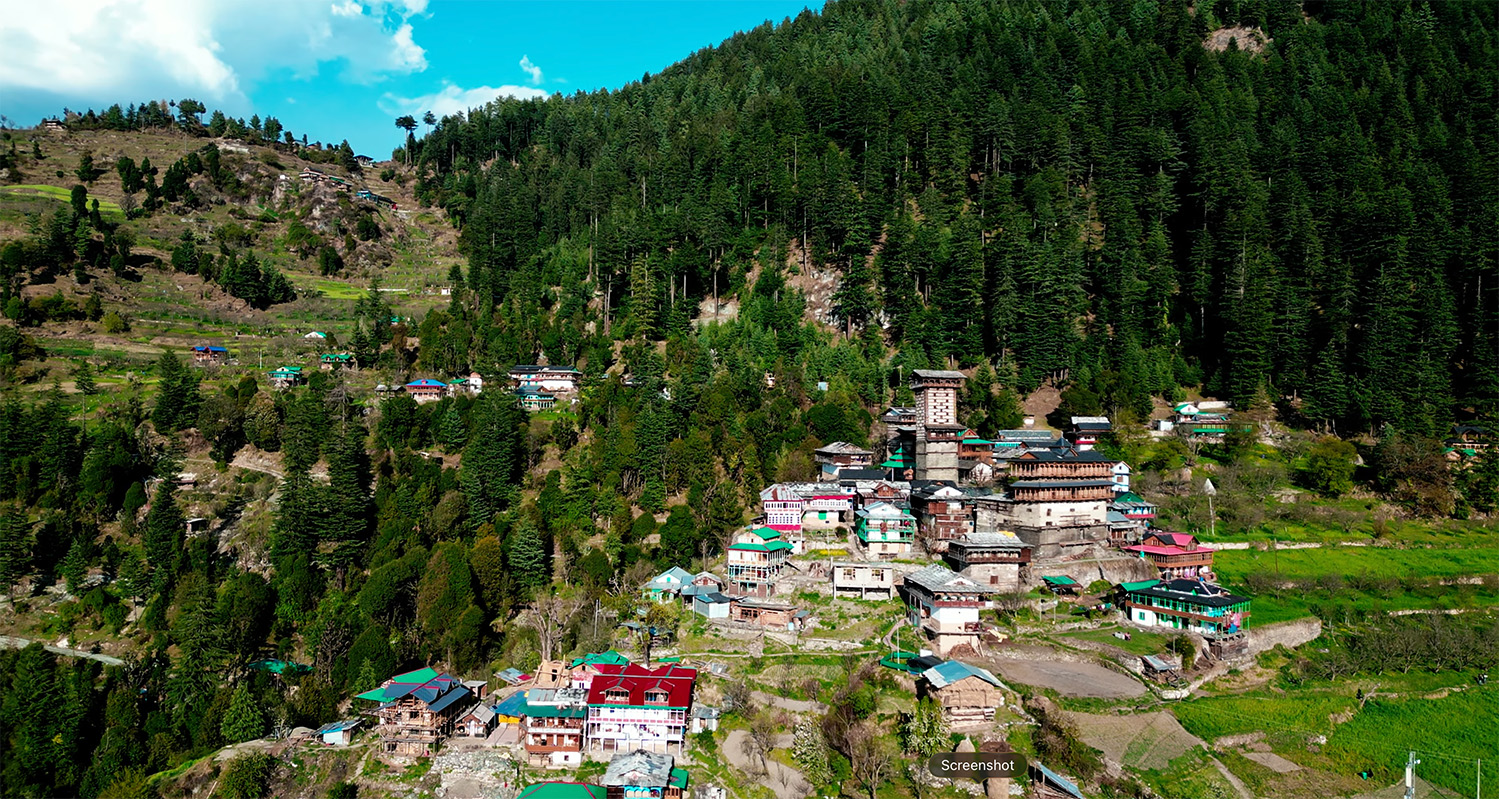
Chehni Kothi is one of the most impressive traditional structures in Kullu district and one of the least visited. A seven-storey defensive tower built in the 17th century in Bini village, now functioning as a temple dedicated to Shringa Rishi and Goddess Chehni. The top two storeys were lost in the 1905 earthquake. Five remain, and the structure still stands on the original foundation.
At a Glance
Location
Bini village, ~10 km from Jibhi (7 km from Banjar)
Trail to tower
Short forest footpath from Bini village
Difficulty
Easy
Duration
Half day (3–4 hours)
Entry fee
None
Built
17th century
Storeys remaining
5 (of original 7)
Best season
March–November
Background
History
Chehni Kothi was built as a fortified tower in the 17th century, serving the dual purpose of a defensive watchtower and a religious site. The tower is dedicated to Shringa Rishi — a sage of significance in local Himachali folk tradition. The 1905 Kangra earthquake, which caused widespread damage across Himachal Pradesh, destroyed the upper two storeys. The remaining five storeys stand as originally built, a testament to the earthquake resistance built into the kath-khuni construction method.
Construction
Architecture
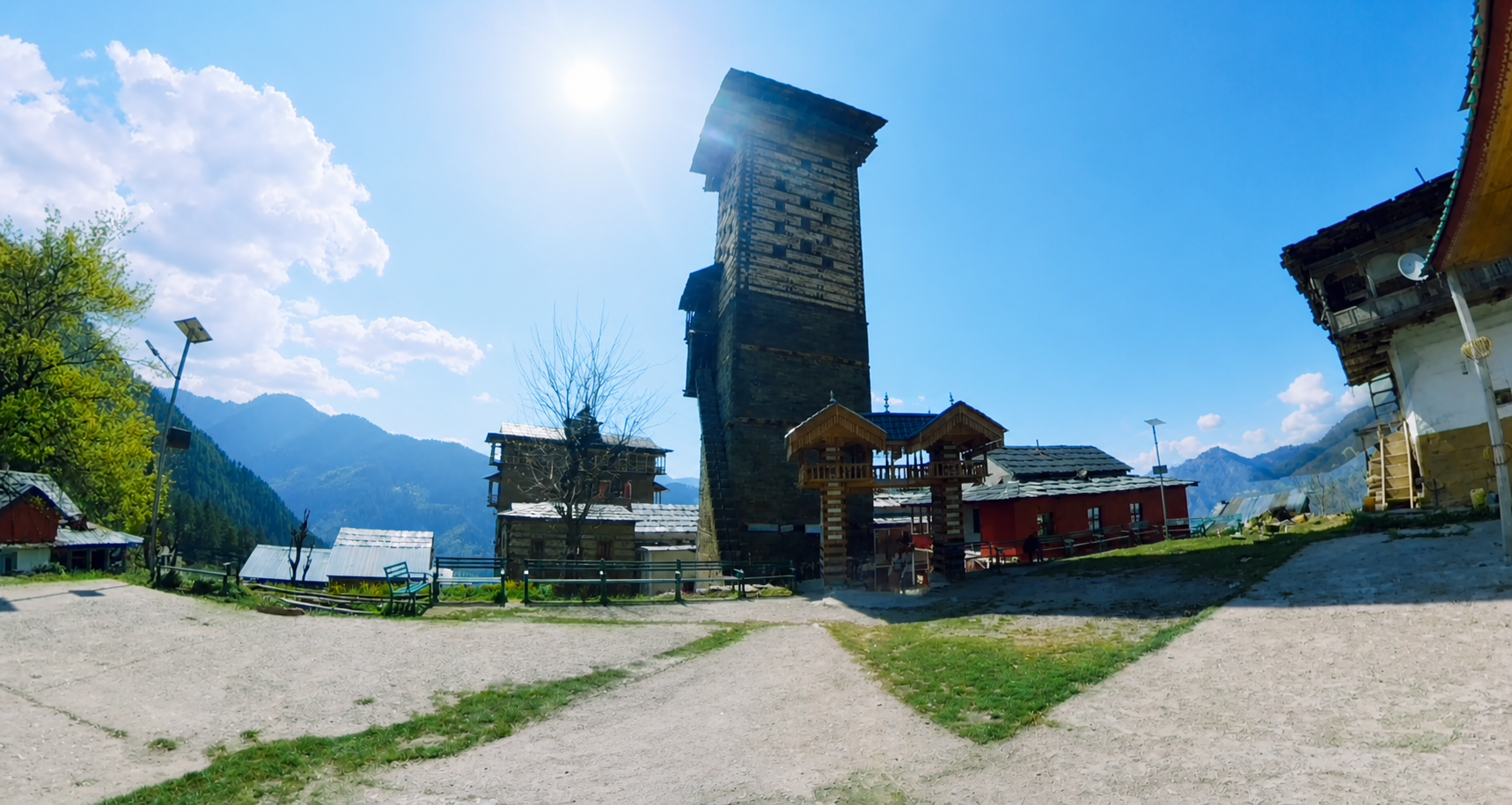
Kath-khuni construction — alternating courses of deodar wood and stone without mortar — is the defining technique of traditional Himachali architecture in this region. The interlocking method distributes seismic energy through the structure rather than resisting it rigidly, which is why so many kath-khuni buildings survived the 1905 earthquake while newer structures did not. Chehni Kothi is among the tallest surviving examples in the Banjar valley.
Visitor Notes
Visiting the Site
Entry inside the tower is not permitted by custom. The exterior, the base, and the surrounding village setting are what you come to see. The carved deodar woodwork on the lower levels is exceptional — take time to look at the detail. Photography outside is welcome; be respectful near the temple portion.
Getting There
How to Get There
From Jibhi, drive toward Banjar. After 4 km, take a right turn toward Bini Village (you’ll see a sign for Shringa Rishi Temple). From Bini Village, you have two options: By road: There is an unpaved road that leads to Chehni Village. This route is drivable, but it completely depends on the weather and current road conditions. If the road is in good condition, you can drive all the way to Chehni Village, where Chehni Fort is located. By trek: If the road is not drivable, you’ll need to take a short uphill forest trail of about 1 km from Bini Village to reach Chehni Village and the fort. You can go self-guided, but asking locals for directions can be helpful, especially if road conditions are unclear.
Timing
Best Time to Visit
Best months
- March–November
Avoid
- January–February (cold, muddy path)
Can be combined with a Banjar market visit or Balu Nag Temple on the same day.
Practical
Practical Notes
Gallery
10 photos
Plan Your Visit
Stay at Winterfell, Explore from Here
Private cottages in Jibhi and Tandi — hot tubs, valley views, no OTA markup. A short drive to everything worth doing in the valley.