trek
Serolsar Lake
Sacred Glacial Lake Trek from Jalori Pass
The Serolsar Lake trek from Jibhi is a 4 km trail from Jalori Pass into old-growth deodar forest, ending at a small glacial lake surrounded by trees and silence — with a temple on the bank that has been there longer than any road in the valley. It is accessible for beginners, doable as a single day from Jibhi, and one of the most rewarding treks in the Tirthan Valley region.
Starting point
Jalori Pass (3,120 m)
Lake elevation
~3,100 m
Trek distance
4 km one way (8 km round trip)
Distance from Jibhi
~13 km by road + 4 km trek
Total time (round trip)
5–7 hours from Jibhi
Overview
The Serolsar Lake trek from Jibhi is a 4 km trail from Jalori Pass into old-growth deodar forest, ending at a small glacial lake surrounded by trees and silence — with a temple on the bank that has been there longer than any road in the valley. It is accessible for beginners, doable as a single day from Jibhi, and one of the most rewarding treks in the Tirthan Valley region.
At a Glance
Starting point
Jalori Pass (3,120 m)
Lake elevation
~3,100 m
Trek distance
4 km one way (8 km round trip)
Distance from Jibhi
~13 km by road + 4 km trek
Total time (round trip)
5–7 hours from Jibhi
Difficulty
Easy to Moderate
Entry fee
None
Permits
None required
Best season
April–June, September–November
Trailhead
Getting to the Trailhead
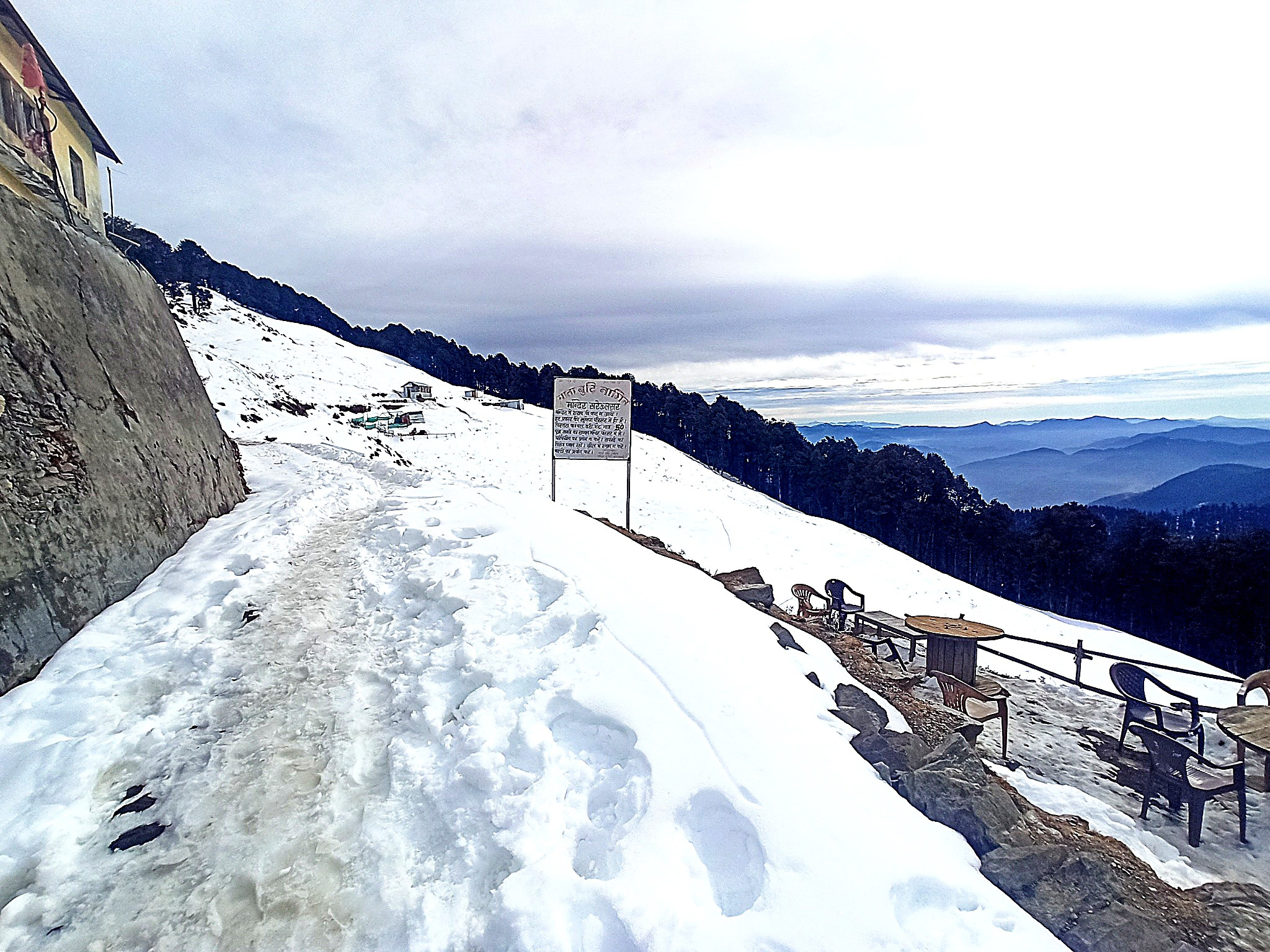
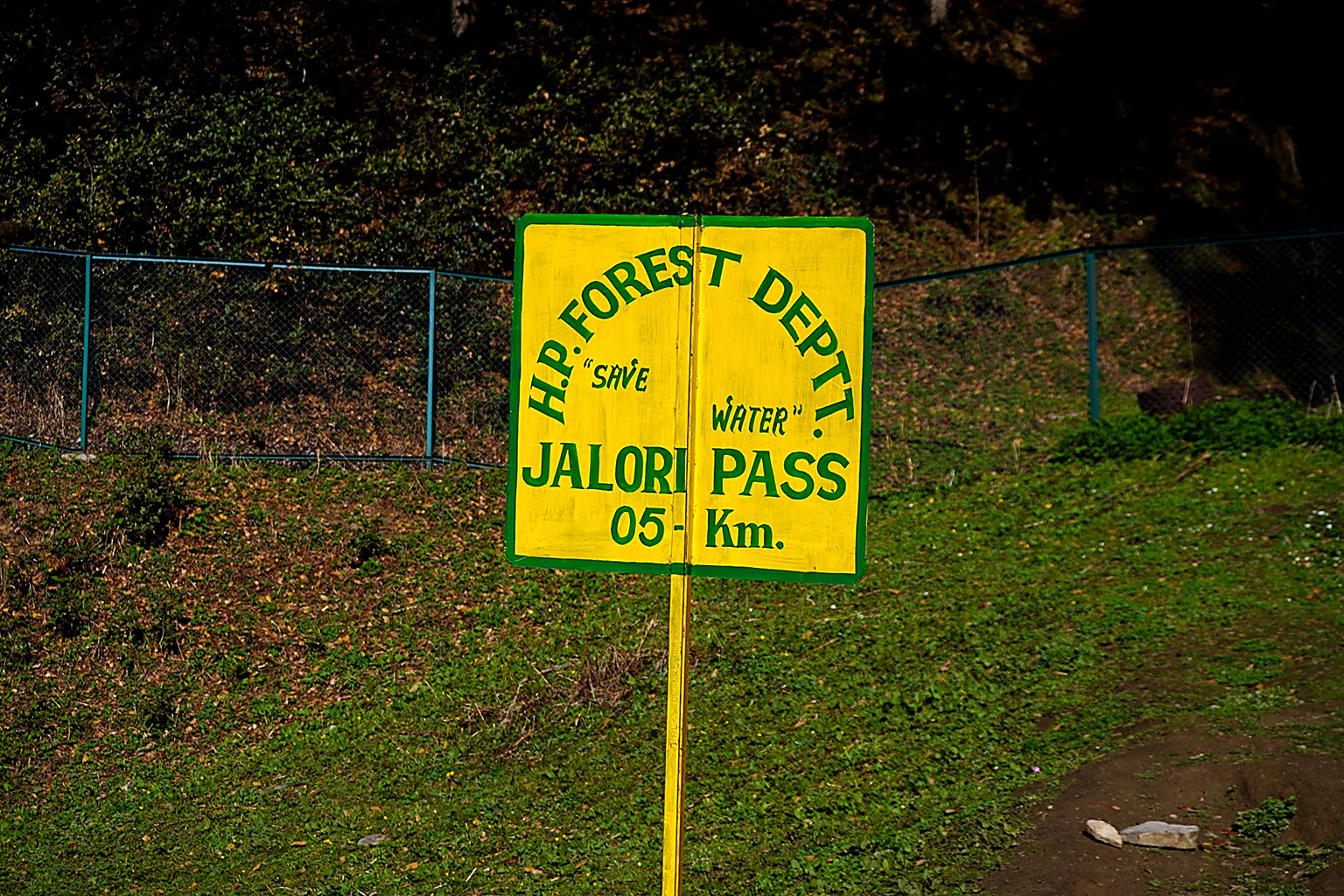
The trek starts at Jalori Pass, approximately 13 km from Jibhi by road (45–60 minute drive). At the pass, the Serolsar Lake trail starts to the left. The Raghupur Fort trail goes right. Both are clearly marked. Start by 7–8 AM from Jibhi — you reach the lake by mid-morning, have 2–3 hours there, and return to Jibhi before sunset.
Trail Breakdown
The Trail
01
Jalori Pass to first forest section
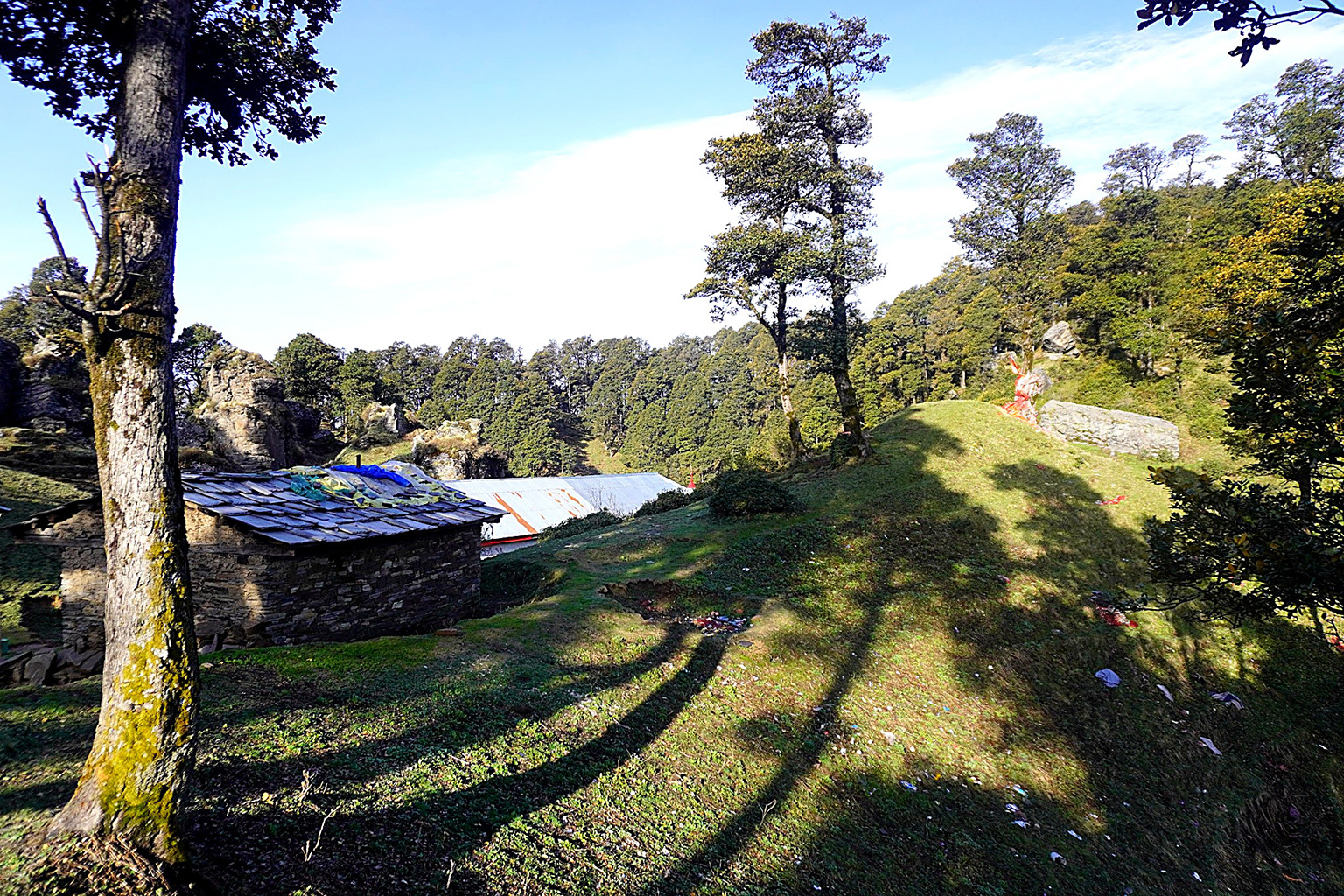
0–1 kmTrail enters old-growth deodar and oak immediately. Canopy dense enough that it stays cool even in June. Path wide and clearly worn.
02
Mid-forest section
1–3 kmGradual ascent continues through forest. Most peaceful section — bird calls, filtered light, the road noise completely gone. A clearing appears around the halfway point.
03
Final approach to lake
3–4 kmTrail steepens slightly for the last 500 m before levelling out at the lake's edge. The forest opens and the water appears.
Summit & Views
The Views
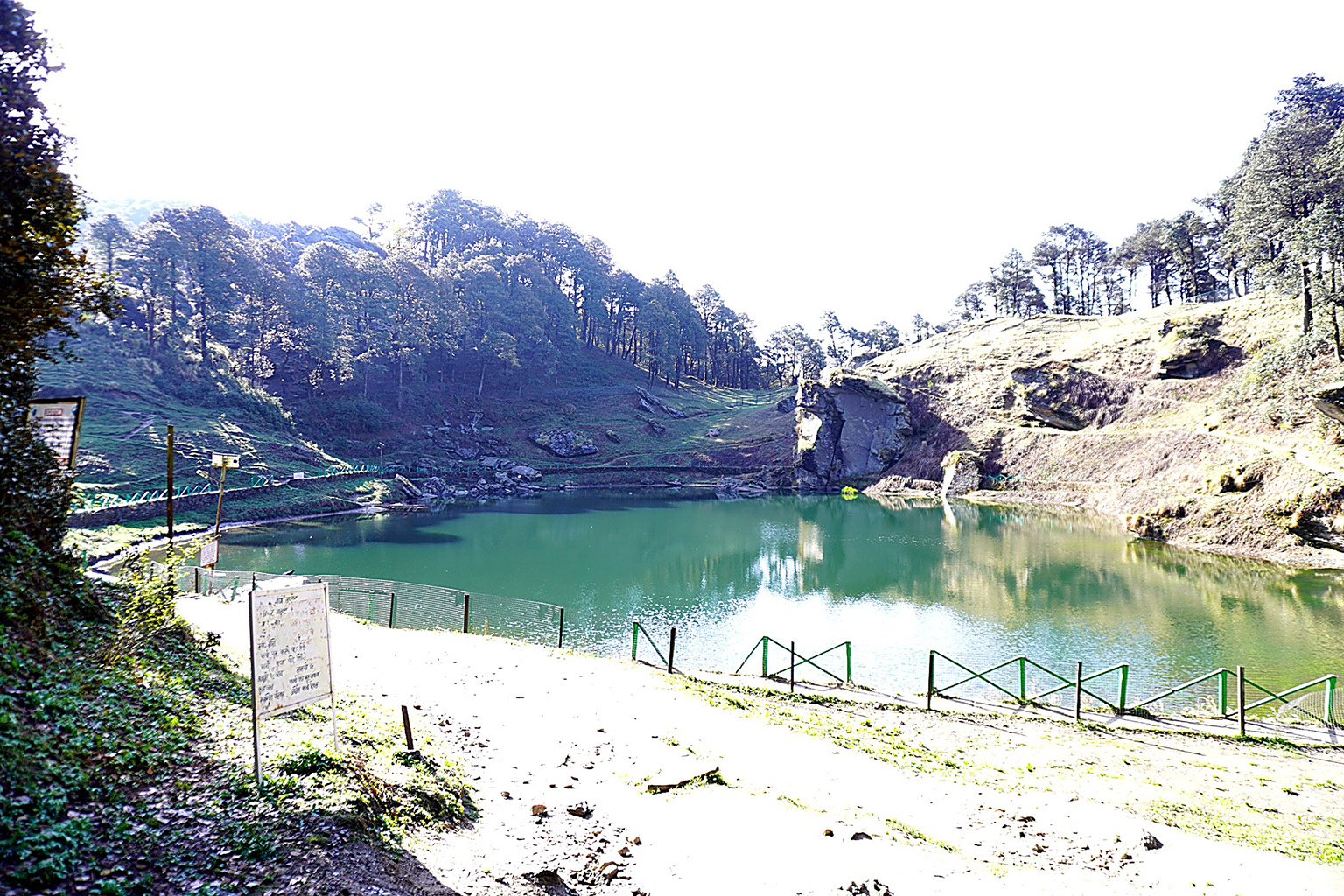
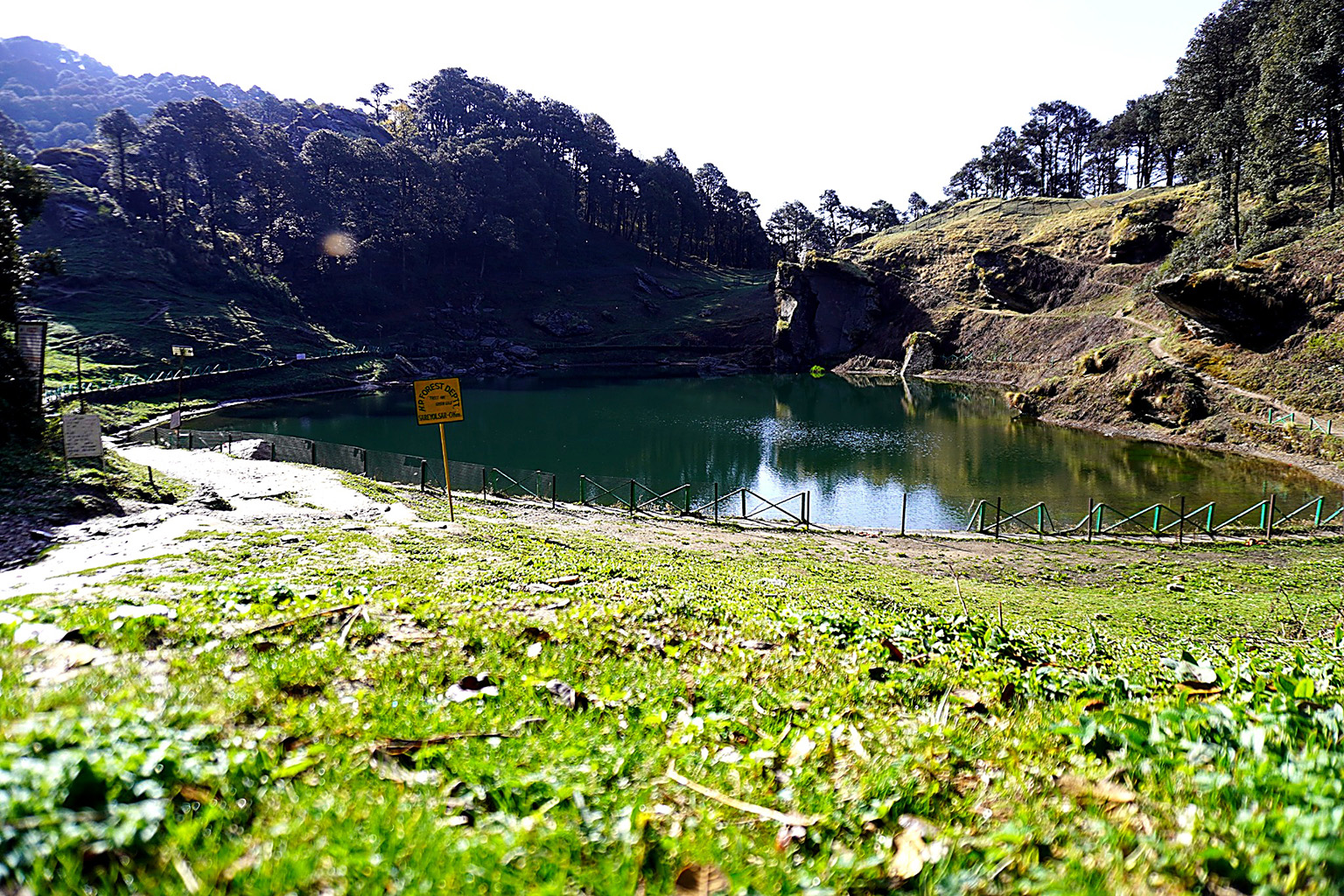
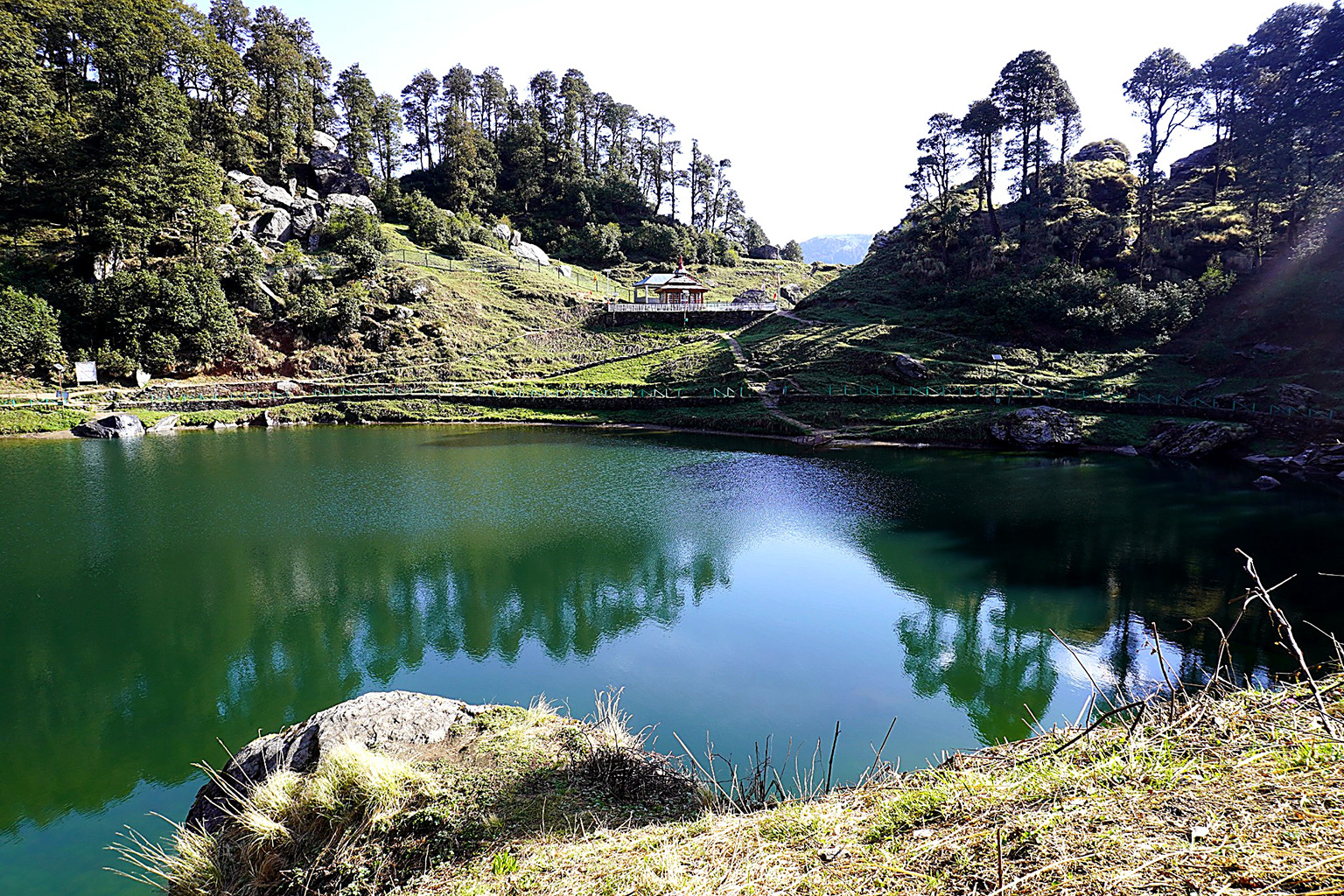
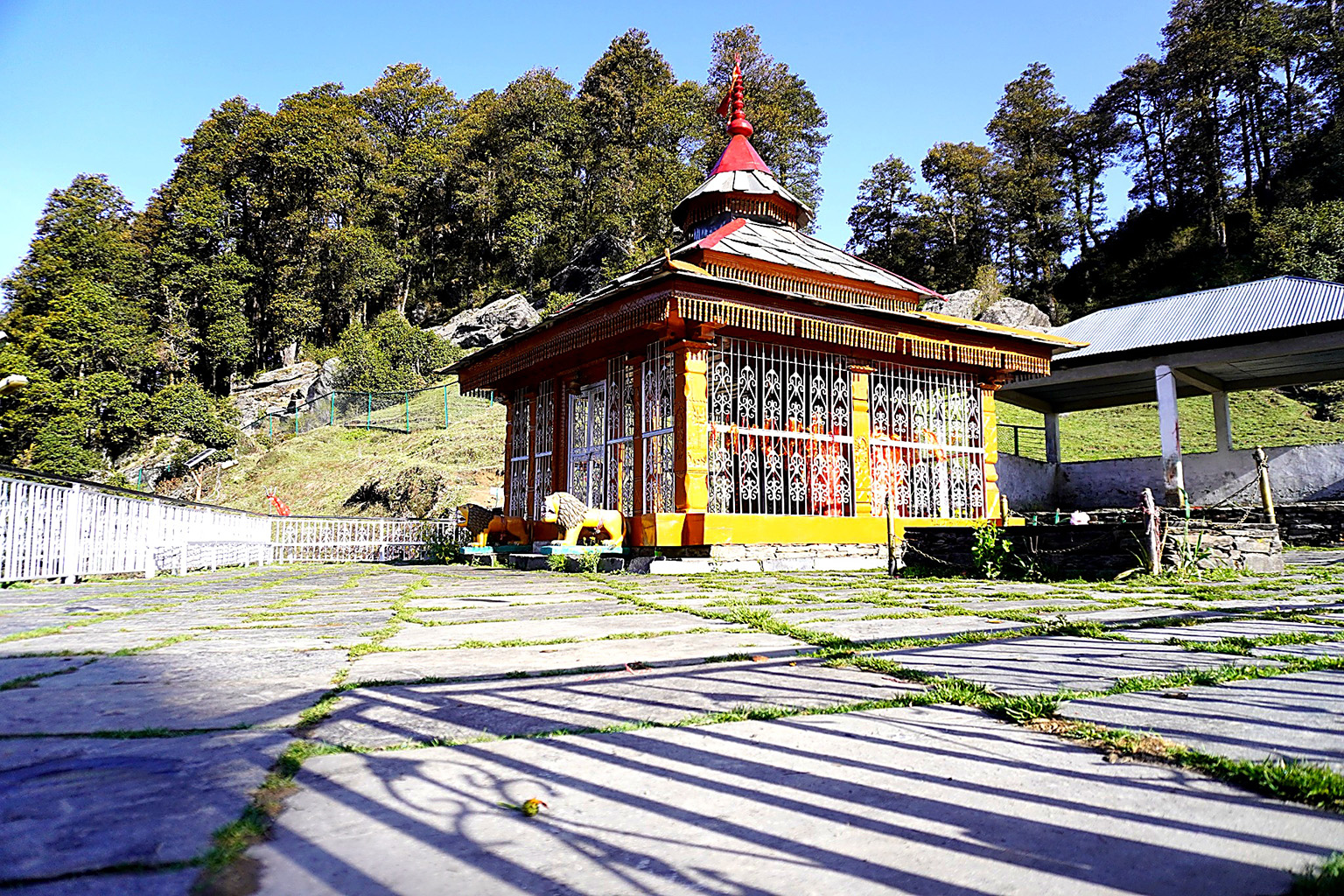
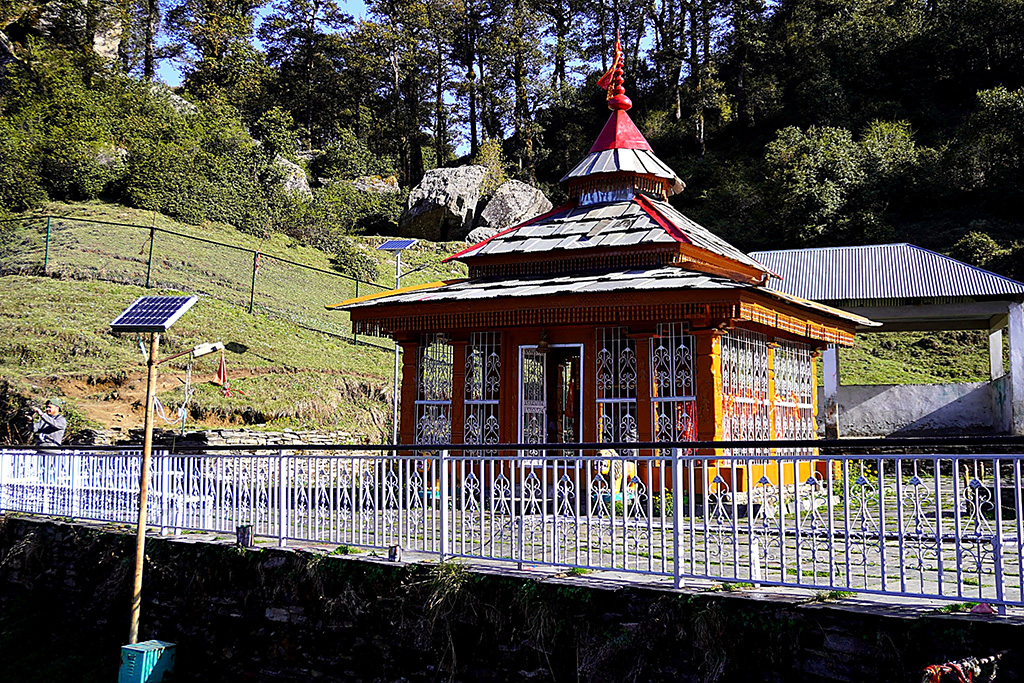
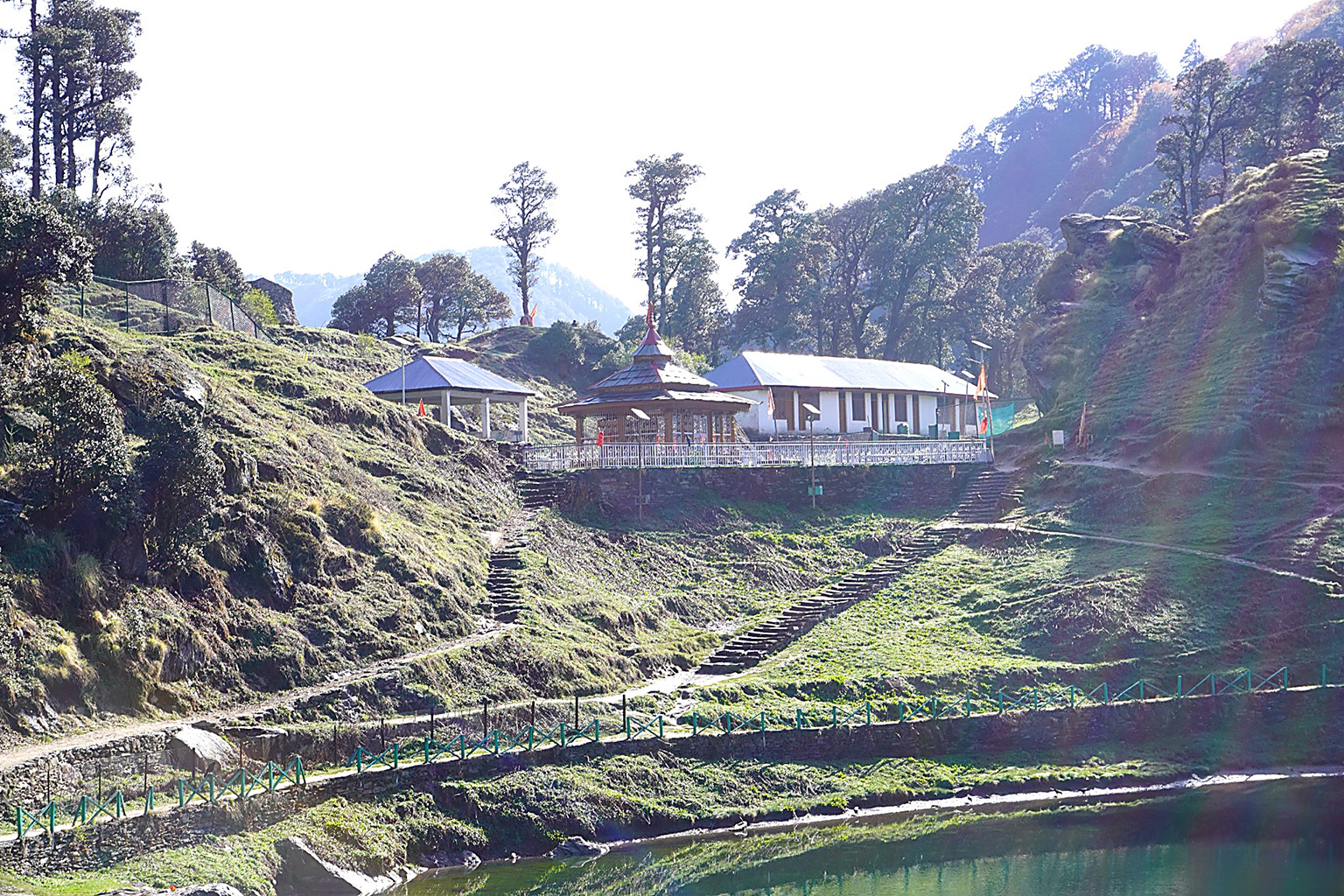
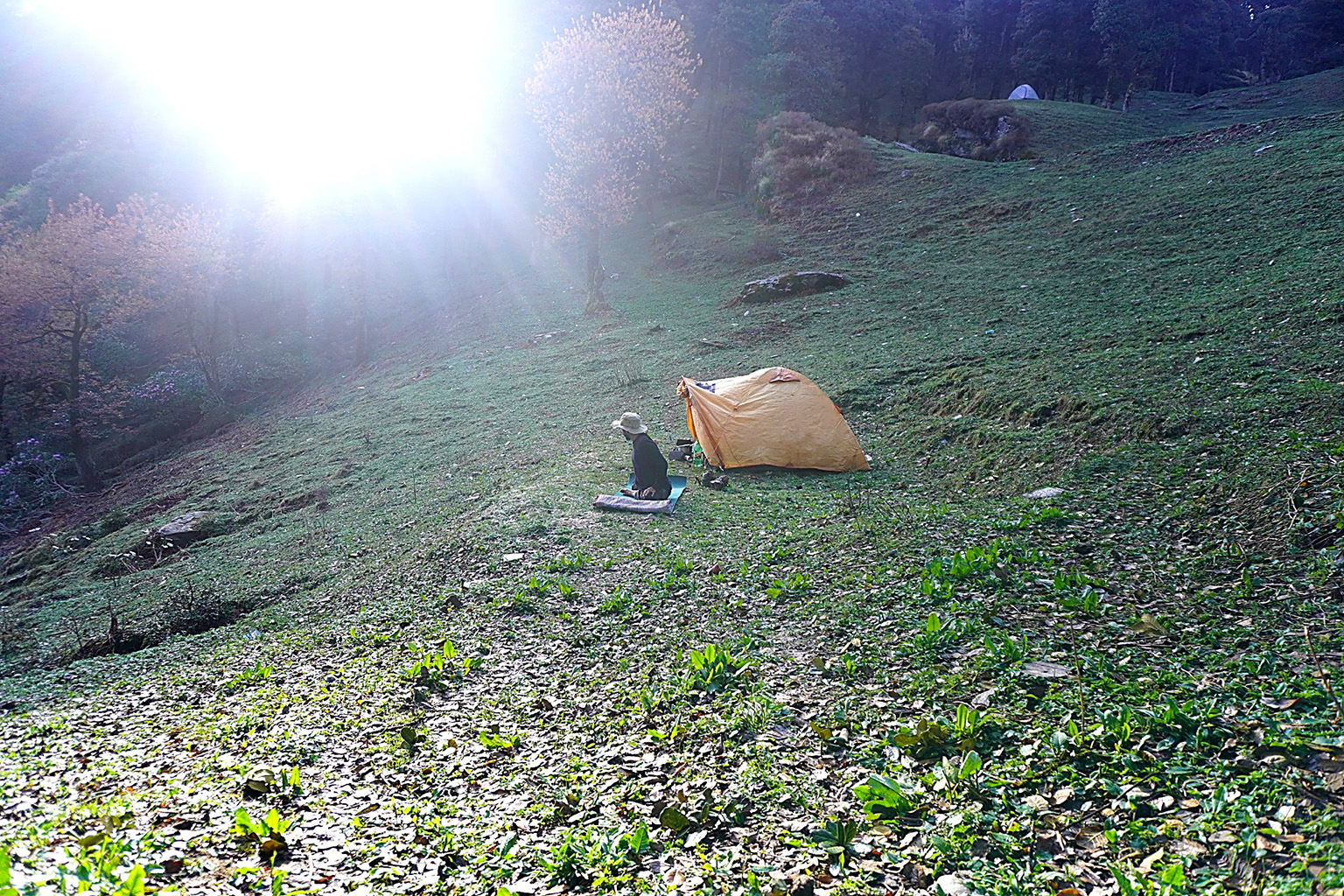
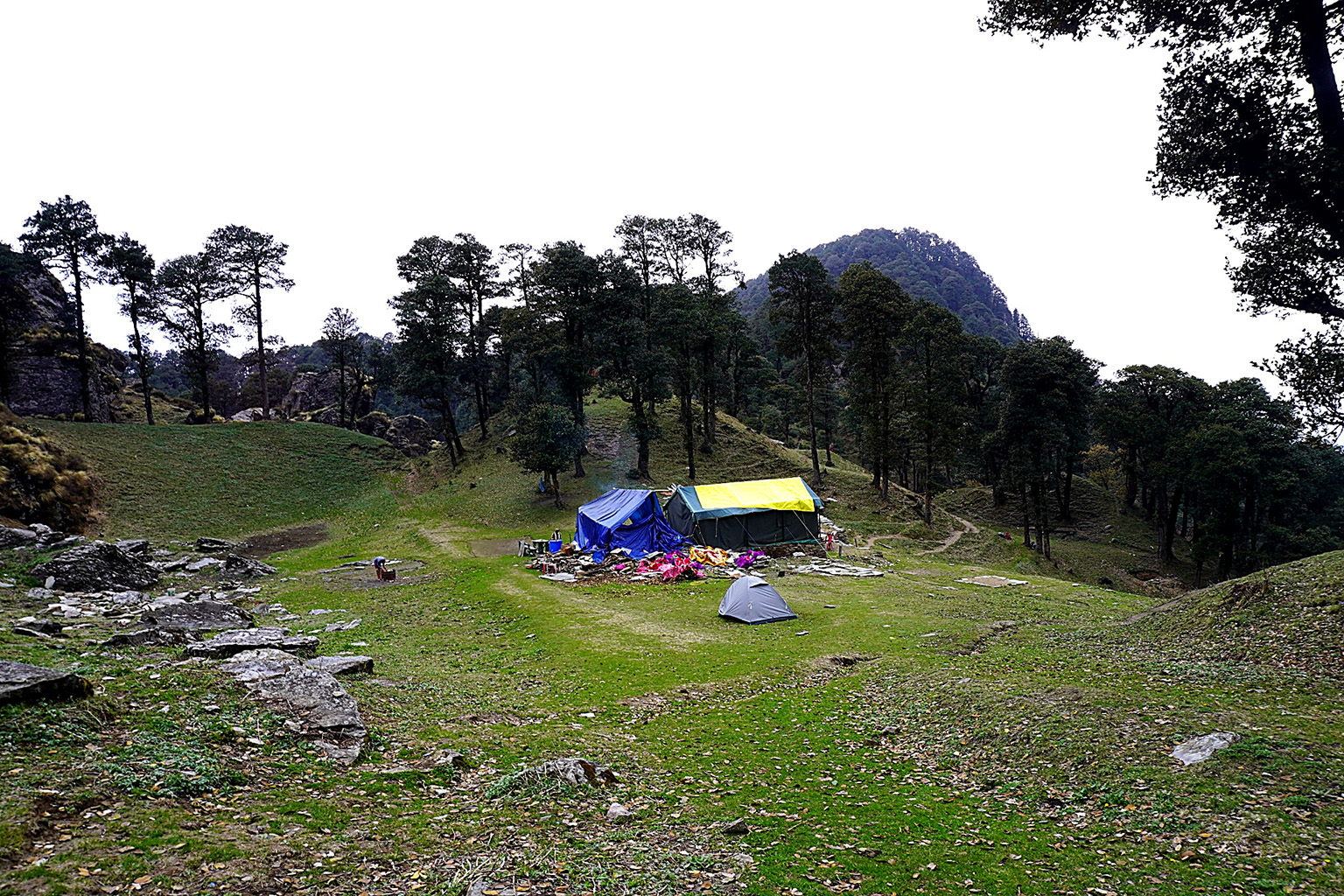
The lake is small — roughly 200 m across — and completely enclosed by forest on all sides. On calm mornings it is mirror-still, perfectly reflecting the tree line. There is no guesthouse, no food stall, no mobile signal. Just the lake, the trees, and a small temple on the bank.
Difficulty
Who Can Trek This
Easy to Moderate
No technical sections. The trail is well-marked, no scrambling, no exposed ridges. The main challenge is altitude — at 3,100 m the air has roughly 30% less oxygen than sea level. Go slow, drink water every 15–20 minutes.
First-time trekkers
Families with children aged 8+
Moderately active older adults
People new to trekking
⚠ Consult a doctor before trekking if: People with serious heart or lung conditions
Packing List
What to Carry
Water: 1.5–2 litres
No water sources on trail; altitude causes hidden dehydration
Packed lunch or snacks
4+ hours of hiking; the lake is a perfect lunch spot
Light jacket or fleece
6–8°C cooler at the lake than Jibhi on the same day
Long pants
Trail has nettles and thorny plants
Trekking shoes
Muddy sections after rain; ankle support helps on descent
Sunscreen SPF 50+
UV ~30% stronger at 3,100 m
Fully charged phone (offline maps)
No signal on trail — download maps before leaving Jibhi
Headlamp
Autumn/winter: sunset comes early; descending in dark is avoidable
Weather
Serolsar Lake — Weather by Month
| Month | Temp | Condition | Visibility | Notes |
|---|---|---|---|---|
| January | −5 to 2°C | Snow-covered | Clear on fine days | Jalori Pass road often closed |
| February | −3 to 4°C | Heavy snow | Clear | Not recommended |
| March | 2 to 9°C | Partial snow, opening | Good | Road reopening — expert only |
| April | 8 to 14°C | Open, green | Good | Beautiful start of season |
| May | 11 to 17°C | Fully open | Good | Peak season begins |
| June | 13 to 18°C | Fully open | Good | Busiest month |
| July | 10 to 15°C | Monsoon mud | Poor | Not ideal |
| August | 9 to 14°C | Monsoon mud | Poor | Not ideal |
| September | 10 to 16°C | Excellent | Post-monsoon clarity | Good from mid-September |
| October | 6 to 14°C | Excellent | Best of year | Single best month |
| November | 2 to 9°C | Good → closing | Very clear | Go early November |
| December | −3 to 4°C | Often snowed | Clear on fine days | Not recommended |
Timing
Best Time to Visit
Best months
- April–June
- September–November
Avoid
- July–August (monsoon mud, poor visibility)
- December–March (snow, road closures)
October is the single best month — golden forest, clearest views, moderate crowds. April–May for wildflowers.
Compare
This Trek vs Raghupur Fort
| Detail | This trek | Raghupur Fort |
|---|---|---|
| Distance (one way) | 4–5 km | 3 km |
| Time (one way) | 2–2.5 hours | 1.5–2 hours |
| Trail type | Forest, enclosed | Ridgeline, open |
| Main reward | Sacred lake, forest | Panoramic Himalayan views |
| Crowd level | Moderate to high | Lower |
| Difficulty | Easy to Moderate | Moderate (wind, altitude) |
Choose this trek if
You prefer a forest walk with a clear destination, want a quieter meditative experience, or are trekking with younger children.
Choose Raghupur Fort if
Panoramic views are your priority or you want fewer people on trail.
Can you do both in one day?
Possible for fit trekkers starting by 7 AM — total ~14–16 km round trip. For most visitors, separate days is better.
Practical
Practical Notes
Gallery
12 photos
Explore More
Nearby Experiences
Frequently Asked
Common Questions
How difficult is the Serolsar Lake trek from Jibhi?
Easy to moderate. The trail is 4 km on a well-marked forest path with no technical sections. The main challenge is altitude (3,100 m). Take it slow, drink water regularly, and it is manageable for most people including beginners.
How far is Jalori Pass to Serolsar Lake?
4 km one way, 8 km round trip. The trek starts from Jalori Pass (3,120 m) and the lake sits at approximately 3,100 m.
What is the best time to visit Serolsar Lake?
October is the single best month — golden forest, clear views, moderate crowds. April to June is also excellent for wildflowers. Avoid July–August (monsoon mud).
Do I need a guide for the Serolsar Lake trek?
No. The trail is well-marked and easy to follow. Local guides are available at Jalori Pass for ₹200–500 if you want company or local knowledge.
Can kids do the Serolsar Lake trek?
Yes. Children aged 8 and above can comfortably handle the 4 km trail. The path is wide enough for side-by-side walking.
Can I do Serolsar Lake and Raghupur Fort in one day?
Technically possible for fit trekkers starting by 6:30–7 AM — total 14–16 km. Not recommended for most visitors. Splitting them across two days is far more enjoyable.
Plan Your Visit
Stay at Winterfell, Explore from Here
Private cottages in Jibhi and Tandi — hot tubs, valley views, no OTA markup. A short drive to everything worth doing in the valley.