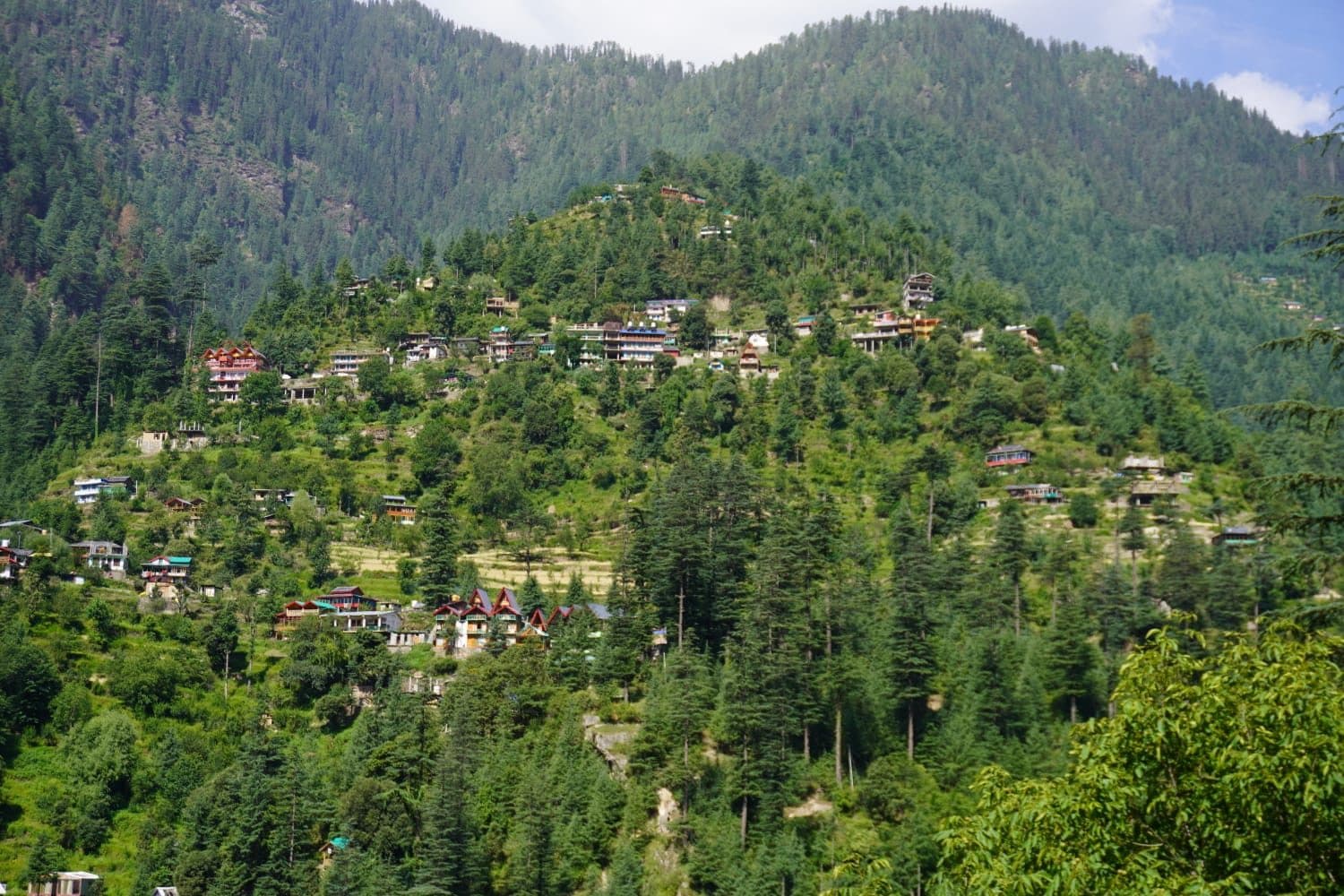
Jibhi in May and June is what most people picture when they imagine a perfect Himalayan trip. Clear skies, green valleys, open treks, and warm enough days to hike without gear but cool enough nights to actually sleep. This is peak season for a reason. But peak season also means fuller properties, higher prices, and weekends that feel nothing like the “hidden gem” descriptions you’ve read. This guide gives you the honest picture — what’s great, what to watch out for, and how to make the most of both months.
Who Should Visit in May and June?
May is best for:
First-time visitors who want reliable weather and clear skies
Couples looking for a private, quiet stay without monsoon uncertainty
Trekkers who want the best trail conditions of the year
Anyone coming from Delhi or Chandigarh on a long weekend
June is best for:
Friend groups and larger groups — the valley is lush, green, and at its most photogenic
Travellers who prefer a slightly warmer base temperature
Those who want a longer stay (5–7 days) and enjoy the dramatic pre-monsoon atmosphere
Anyone who missed May bookings — early June is nearly as good
Neither month is ideal for: Budget travellers on a very tight schedule, or anyone who strongly dislikes crowds. For that, September and October are far better.
Weather in May and June
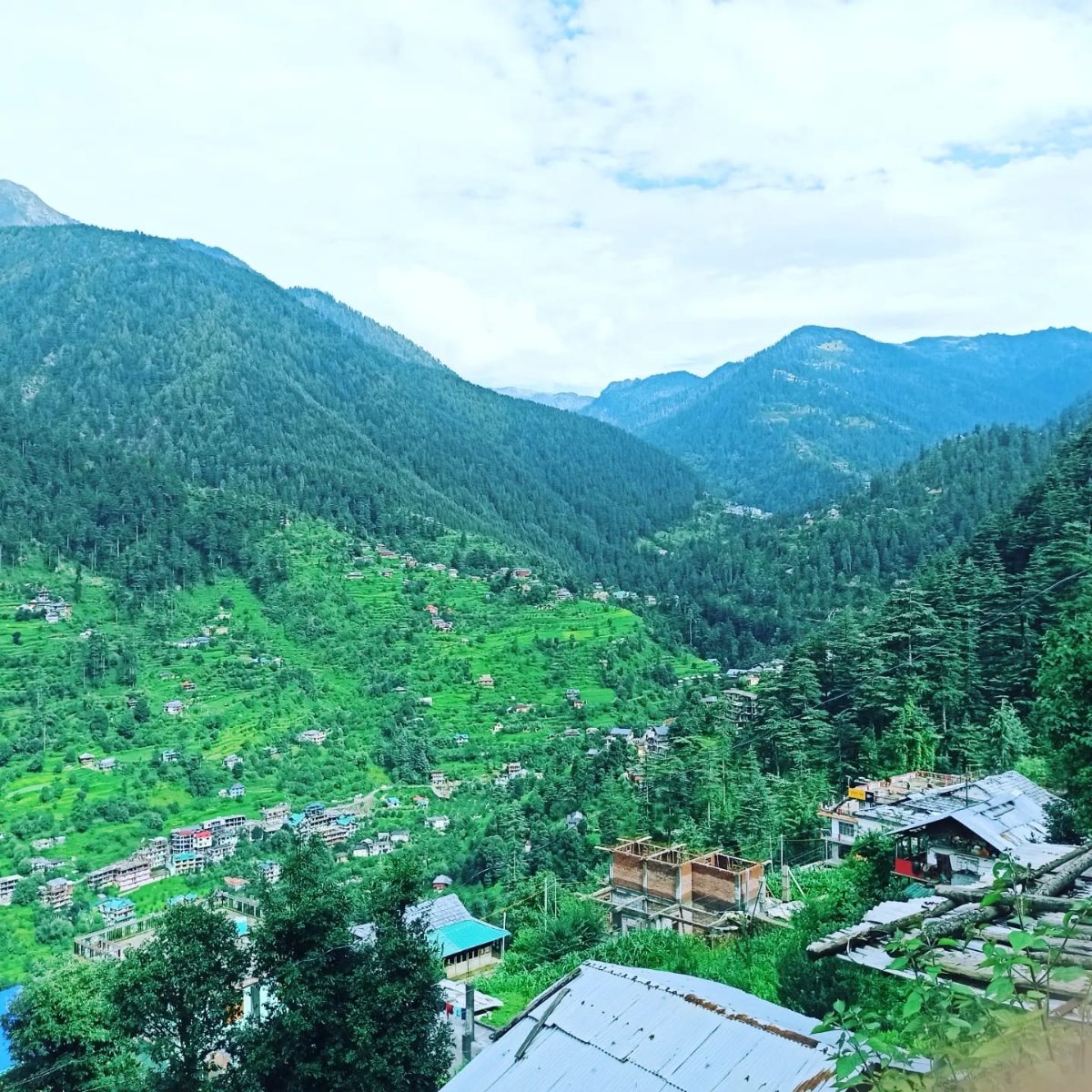
May is arguably the best single month in the Jibhi calendar. The snow has cleared from the lower trails, the apple orchards are in bloom, and the skies are consistently clear. Days are warm — typically 14°C to 22°C — and evenings cool down to 8–12°C. You will need a light jacket for mornings and nights but nothing more.
June is warmer and the valley turns a deeper, more saturated green. Temperatures run from 16°C to 25°C during the day. The first week of June typically has the best clarity before the pre-monsoon haze begins to build. By mid to late June, you may see some rain showers — usually in the evenings — but nothing that disrupts a trek or a day out.
Parameter | May | June |
|---|---|---|
Day temperature | 14–22°C | 16–25°C |
Night temperature | 8–12°C | 11–16°C |
Rainfall | Minimal | Light showers by late June |
Sky clarity | Excellent | Good (early June), hazy (late June) |
Crowd level | High | High |
One thing that surprises first-time visitors: even at 22°C in the afternoon, the river water is extremely cold. Do not plan to swim unless you have a very high tolerance.
Is May or June Better?
This is the most common question for anyone planning a Jibhi trip in summer — and the honest answer is: it depends on what you are looking for.
Choose May if:
You want the clearest skies and sharpest mountain views
You are trekking and want cooler, more comfortable trail temperatures
You are travelling as a couple or small group and prefer a slightly quieter atmosphere
You have flexibility on dates — May weekdays are noticeably less crowded than June
Choose June if:
The valley landscape is your priority — June turns Jibhi into the greenest version of itself
You are travelling with a group and want the full peak-season, energetic atmosphere
Early June (first two weeks) is your window — this is genuinely the sweet spot of the entire year
You do not mind occasional evening rain and find it adds to the mood rather than disrupts
The verdict: If we had to pick one, early June — specifically the first ten days — combines May’s clarity with June’s lushness. It is consistently the most-booked period at properties across the valley. If you are flexible, aim for June 1–12.
Is Jalori Pass Open in May and June?
Yes — Jalori Pass (3,120 m) is fully open through May and June and is one of the most accessible high-altitude passes in Himachal Pradesh. The road from Jibhi to Jalori Pass is approximately 13 km and takes around 1- 2 hours by car.
This matters because Jalori Pass is the trailhead for both major treks in the area: Serolsar Lake and Raghupur Fort.
Best Treks in May and June
Serolsar Lake Trek
Distance from Jibhi: 13 km by road to Jalori Pass + 4 km trek on foot
Duration: 2 hours up, 1.5 hours down
Difficulty: Easy to moderate
This is the most popular day trek from Jibhi and May–June is its best season. The forest trail from Jalori Pass to the lake passes through old-growth oak and deodar that are at their greenest. The lake itself, at 3,100 m, is ringed by trees and fed by snowmelt. A small temple of Goddess Budhi Nagin sits on the bank.
Start early — ideally reaching Jalori Pass by 9 am — to avoid the midday heat on the return. Carry at least 1.5 litres of water per person. There are no shops on the trail.
Raghupur Fort Trek
Distance from trailhead: 3 km from Jalori Pass
Duration: 2 hours up, 1.5 hours down
Difficulty: Moderate
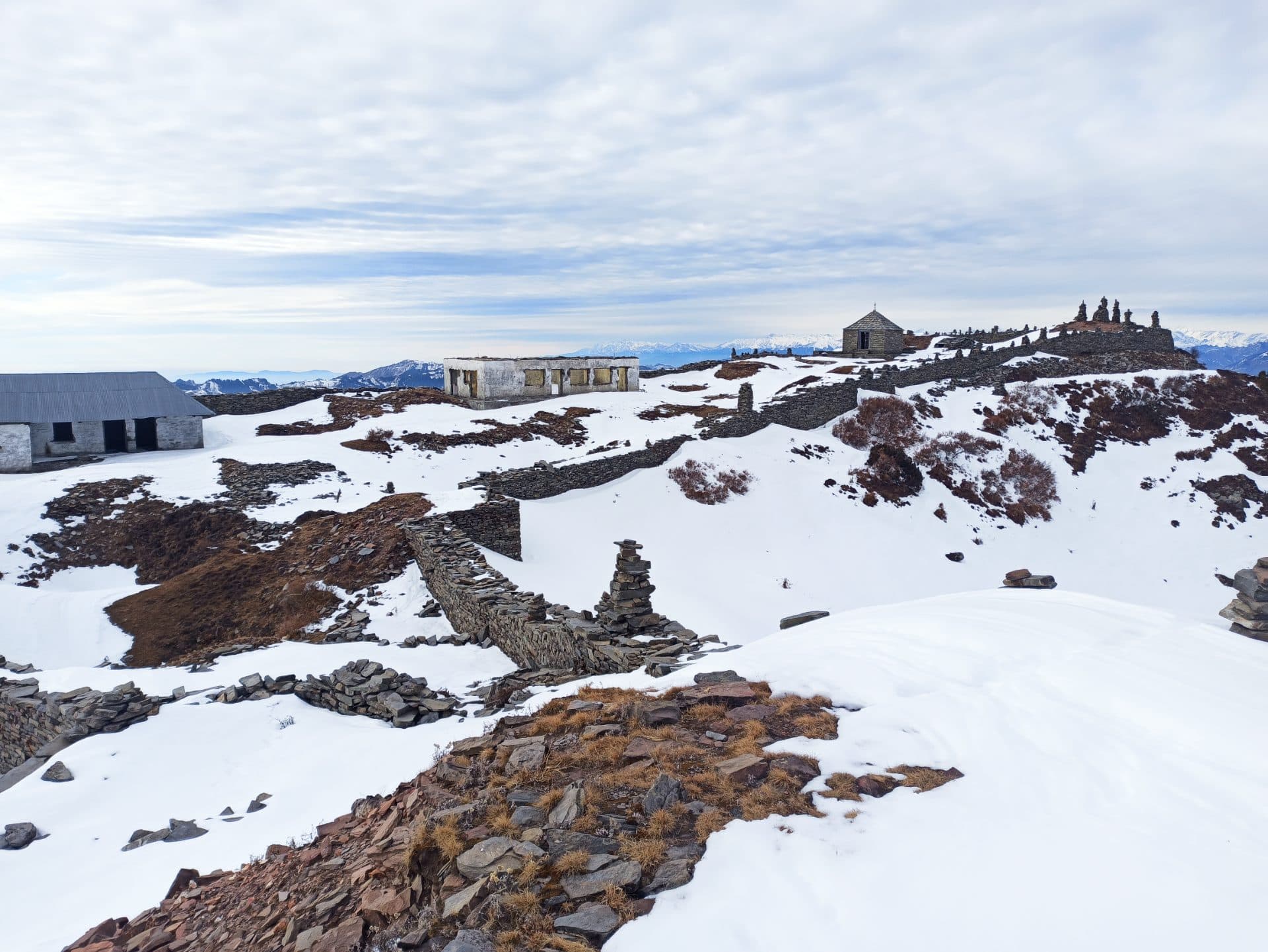
The ruins of Raghupur Fort sit at a point that offers a near 360-degree view of the Himalayan ranges. On clear May mornings you can see peaks well beyond 5,000 m. The trail passes through rhododendron and oak forest and is quieter than the Serolsar route — most tourists choose Serolsar, which means Raghupur gets a fraction of the footfall.
Most guests do both treks across two days. Serolsar Lake on day one, Raghupur Fort on day two. This is, in our experience, the best two-day activity plan in the valley.
A small number of guests do cover both Serolsar Lake and Raghupur Fort in a single day. It is possible, but only realistic if you are comfortable with 14–16 km of combined trekking, start from Jalori Pass by 8-8:30 am, and keep a steady pace. Most people who attempt this are experienced trekkers who treat it as a full-day challenge. If that is you, it is a genuinely rewarding day. For everyone else, two days is the right call.
Jibhi Waterfall
Distance from Jibhi market: 1 km
Duration: 30–45 minutes return
Difficulty: Easy
For guests who want something shorter, the Jibhi Waterfall trail is a gentle walk through forest that can be done in the morning before a longer day. In May and June the waterfall is at strong flow from snowmelt above. The path crosses small wooden bridges that add to the experience.
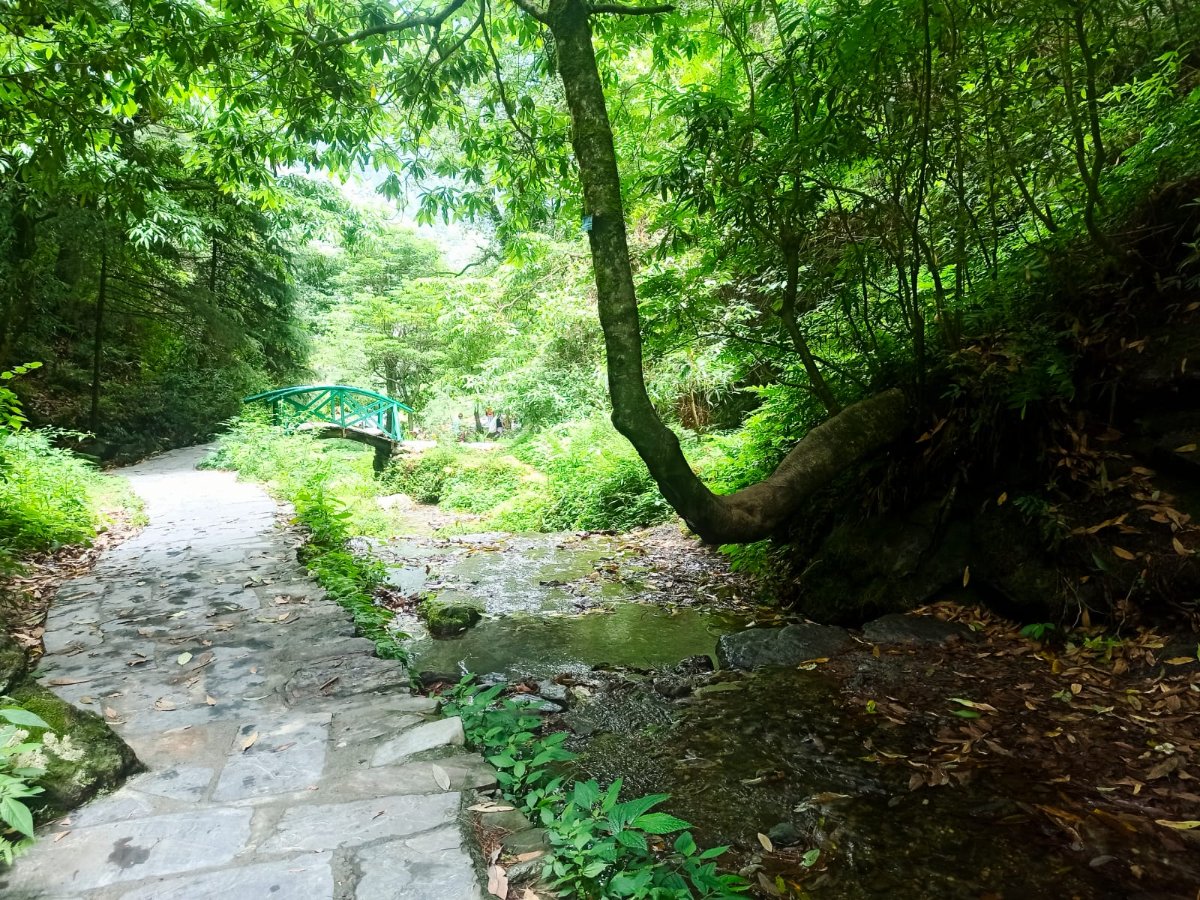
Image: Trail to Jibhi Waterfall
Kulhi Katandi & Mini Thailand Trek
Distance from Jibhi market: 1.5 km
Duration: 45–60 minutes return
Difficulty: Easy
For guests looking for a hidden gem closer to home, the trek to Kulhi Katandi—locally known as Mini Thailand—is a must. The trail winds through a scenic pine forest and massive rock formations that create a natural, turquoise pond reminiscent of exotic beaches.
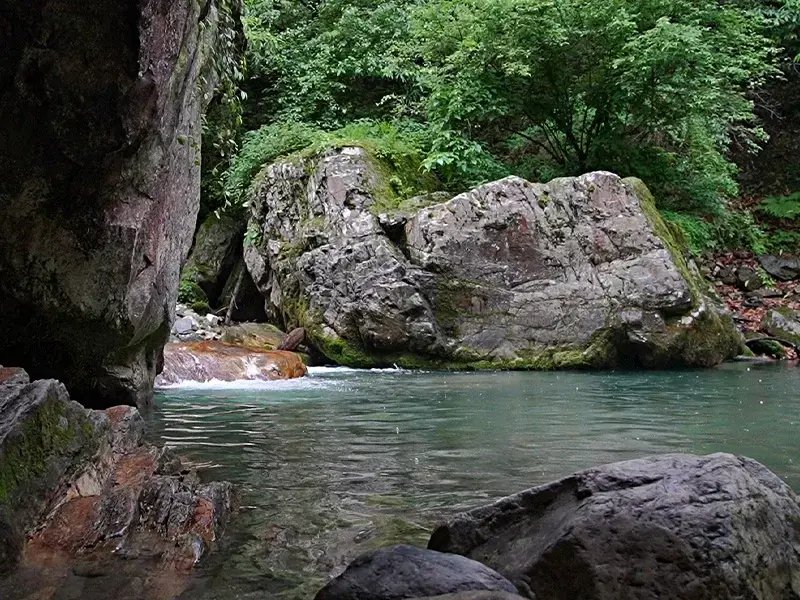
Image: Kulhi Katandi (mini thailand)
The walk is gentle and mostly flat, making it perfect for a quick morning dip or a quiet afternoon picnic. Much like the Jibhi Waterfall, the best time to visit is during May and June when the river flow is crystal clear and the surrounding greenery is at its peak. The "Mini Thailand" name comes from the unique way the sunlight hits the rocks and water through the forest canopy, creating a dreamlike, tropical vibe in the heart of the Himalayas.
What Else to Do in May and June
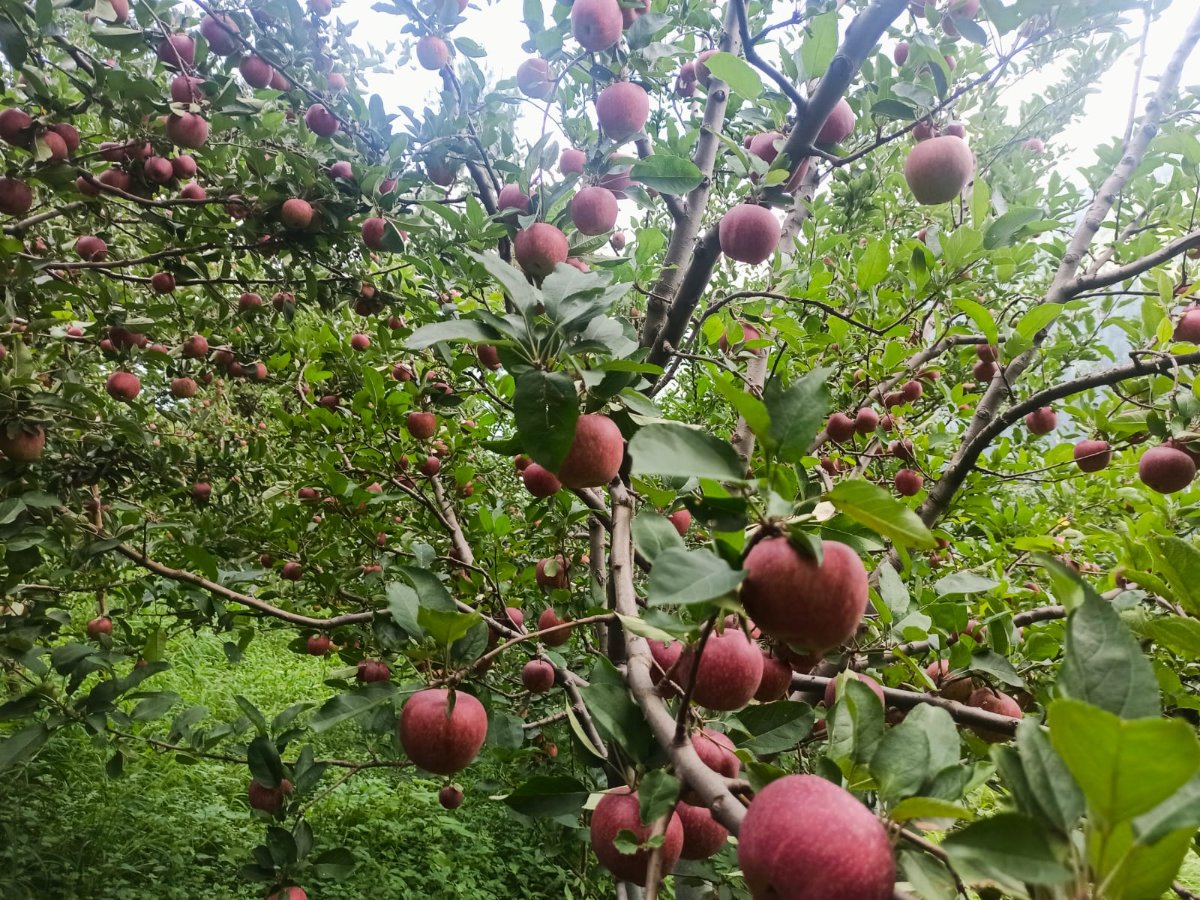
Apple Orchards: The hillsides around Jibhi and the road to Tandi are lined with apple trees. May is when the blossoms have just fallen and the small green apples are forming on the branches. The orchards are on private land but visible from the road and completely worth a slow drive.
Chehni Kothi: A 7 km drive followed by a 30-minute walk brings you to one of the tallest surviving traditional wooden towers in Himachal Pradesh. It is a medieval temple tower, not widely covered in tourism literature, which means you will often have it to yourself. The architecture is genuinely remarkable.
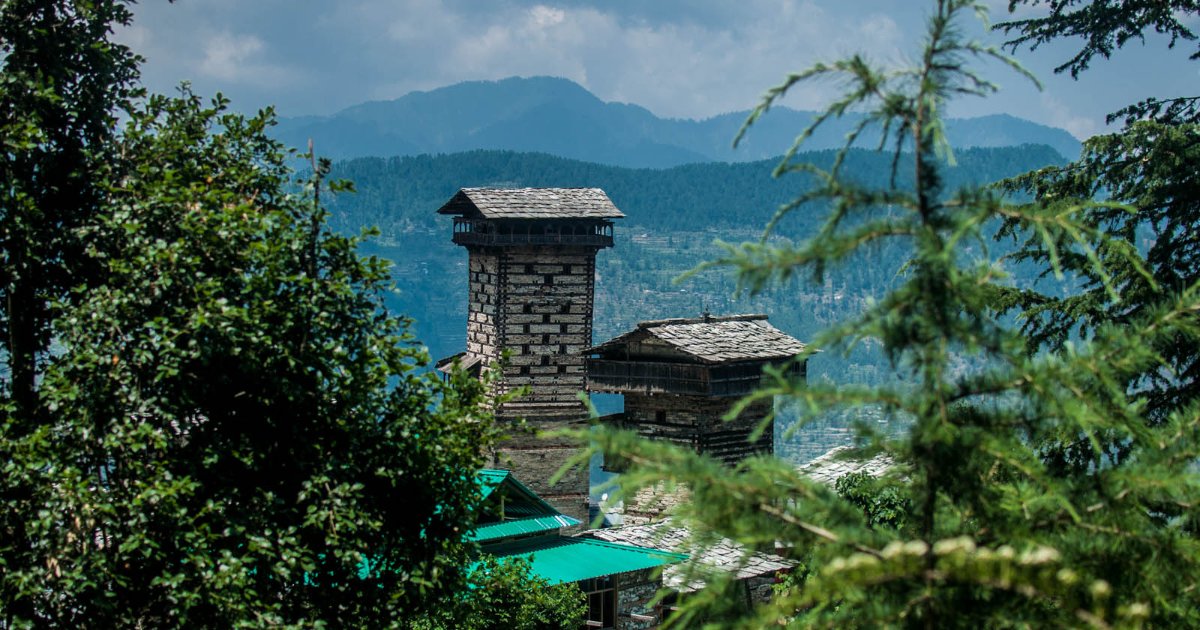
Image: Chehani Kothi
Balo Temple : If you are looking for a trail that offers solitude and a deep connection with nature, the trek to Balo Temple is the perfect choice. This trail is less frequented than Serolsar Lake , making it an ideal escape for those who want to experience the silence of the forest. The path takes you through high-altitude meadows and ancient cedar groves, eventually leading to a traditional wooden temple dedicated to the local deity. The trek features a gradual incline similar to the Serolsar route , but with fewer crowds even during the peak season.
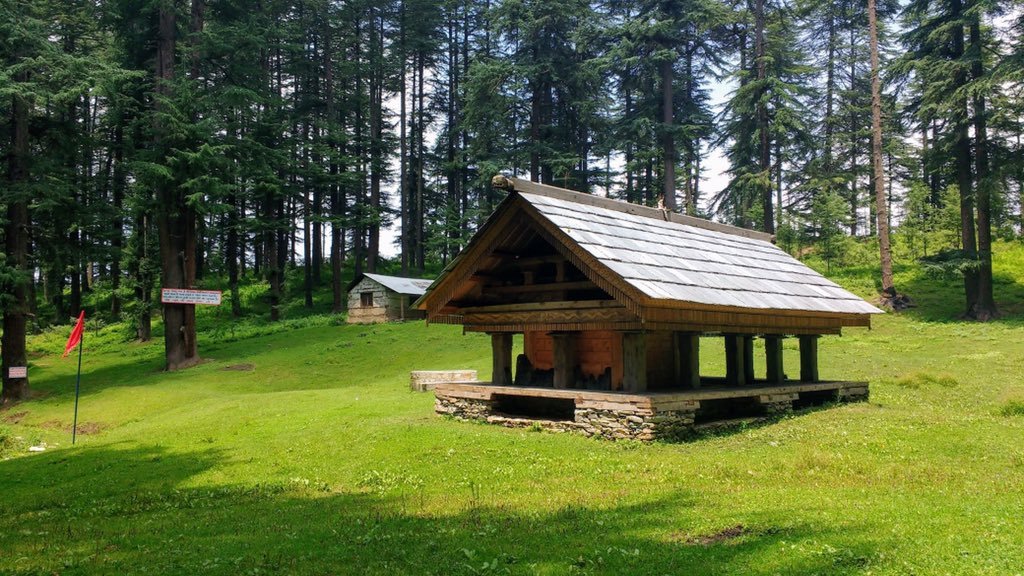
Image: Balo Temple
How Crowded Is It?
Honest answer: May and June are busy, particularly on weekends. The stretch from Thursday to Sunday sees the most visitors. If you are visiting on a weekday — arriving Monday or Tuesday — you will find a noticeably different, quieter Jibhi.
Weekends in June, particularly holiday weekends, can see the main Jibhi road slow with traffic. This does not affect the treks, which remain relatively peaceful, but the village market area feels like a different place on a Saturday afternoon vs a Wednesday morning.
If crowd-free Jibhi is a priority, visit September or October. If May or June is your window, plan weekday arrivals and book accommodation well in advance.
3-Day Budget Breakdown for a Jibhi Trip in May or June
1. Transport (Arrival & Departure Only)
Mode of Transport | Estimated Cost(for 2) | Notes |
|---|---|---|
Volvo Bus (Delhi ↔ Aut) | ₹4,000-₹6,000 | Semi-sleeper or Volvo |
Local Transfer (Aut ↔ Jibhi) | ₹3,000- ₹4,000 | Private cab transfer from aut tunnel to your stay and back. |
Total Transport | ₹7,000-₹10,000 |
2. Accommodation
Based on staying at Winterfell Treehouse and Cottages.
Category | Cost Per Night | Total Nights (2) |
|---|---|---|
Standard/Budget | ₹1,500 - ₹2,500 | ₹3,000 - ₹5,000 |
Winterfell Jibhi (Mid-Range/Luxury) | ₹4,000- ₹8,000 | ₹8,000 - 16,000 |
Total Accommodation | ₹3,000 - ₹16,000 |
3.Food & Activities (Including Local Car Service)
Includes daily meals and a dedicated car service for sightseeing.
Item | Estimated Cost (for 2) | Notes |
|---|---|---|
Daily Meals (3 Days) | ₹4,500 - ₹6,000 | Avg. ₹1,500 - ₹2,000/day for cafe hopping & local dhabas / in stays meal. |
Car Service (Jalori/Tirthan) | ₹4,000 - ₹6,000 | 2 full days of dedicated cab service for treks and sightseeing. |
Total Food & Activities | ₹8,500 - ₹12,000 |
For a three-day trip to Jibhi for two people, your total budget will typically range from ₹18,500 for a budget-conscious stay to over ₹38,000 for a luxury experience. Your transport costs, covering Volvo bus travel from Delhi to Aut and a private cab transfer from the Aut tunnel to your stay and back, will average between ₹7,000 and ₹10,000. Depending on your preference for a standard homestay or the premium comfort of Winterfell Treehouse and Cottages, accommodation will add between ₹3,000 and ₹16,000 to your total. Finally, set aside ₹8,000 to ₹12,000 for food and activities, which includes daily meals at local cafes or in your stay and a dedicated local car service to navigate the steep roads to Jalori Pass and Tirthan Valley safely.
For a group of 4-6 splitting a duplex and transport, the per-person cost drops significantly .
How to Reach Jibhi in May and June
From Delhi: 535 km via NH44 and NH305. Drive time approximately 12–13 hours. Most people leave late evening and arrive by morning. The road is smooth until Kullu, after which it narrows through the valley.
From Chandigarh: Approximately 5–6 hours. The most common route goes through Bilaspur -> Mandi ->Aut -> Banjar -> Jibhi.
From Bhuntar Airport: Bhuntar (near Kullu) is the nearest airport, approximately 55 km from Jibhi. Taxis from Bhuntar cost ₹2500- 3500 and take around 2 hours.
By Bus: Volvo buses running from Delhi (ISBT) and Chandigarh toward Manali will drop you off at the Aut Tunnel. From the tunnel, you can take a private cab transfer to your stay and back. The drive from Aut to Jibhi takes approximately two hour (35km ), offering a scenic introduction to the Tirthan Valley.
Important for May–June: Book your return transport in advance. Getting a cab out of Jibhi on a peak Sunday evening is genuinely difficult without a prior booking.
Note for Private Vehicle Owners: The road from Aut to Jibhi is primarily a single-lane mountain road that can be quite rough and bumpy in several patches. You will likely encounter traffic, particularly during peak season, which requires significant skill to navigate safely. It is essential to be comfortable with reversing or maneuvering on narrow edges to give pass to vehicles coming from the opposite direction. If you are not experienced with high-gradient Himalayan driving, we strongly recommend hiring a local driver for a stress-free journey.
What to Pack for May and June
Light layers: T-shirts for day, a fleece or light jacket for evenings
Trekking shoes with grip (trails can be muddy after light rain)
Sunscreen — UV is intense at altitude even when the air feels cool
Refillable water bottle — carry 1.5 litres minimum for treks
Rain cover for bag (late June can see evening showers)
Offline maps downloaded — mobile signal is patchy on trails
Cash — ATMs are in Banjar, not Jibhi village itself
Where to Stay
May and June accommodation fills fast. Properties that have availability in April often show fully booked by mid-May for peak weekends. Book 3–4 weeks in advance minimum.
Things to Ask Before Booking
To ensure you get the experience you’re looking for, always clarify these details with your host:
Is the unit a standalone cottage or does it have shared walls?
Is the hot tub private to our unit or a shared facility?
Which direction does the balcony face for valley views?
Stay Options
Jibhi offers a range of stays depending on your preference for luxury or local charm:
Boutique Experience: For those seeking a private hot tub treehouse or a standalone cottage, Winterfell offers unique units in both Jibhi and Tandi locations. Rates start at approximately ₹4,500/night, and booking directly through our website (winterfelljibhi.com/contact) often helps you avoid third-party OTA fees.
Guesthouses & Homestays: There are numerous local guesthouses starting from ₹1,500–₹3,000/night, which are great for experiencing traditional hospitality.
Market Cafes: Many cafes in the main Jibhi market also double as guesthouses, putting you right in the center of the town's vibrant food scene.
Pro Tip for Booking Your Stay: When searching for accommodation in Jibhi, try to find the property's Google Business Profile first. This often displays the host's direct contact information, allowing you to book directly and avoid high OTA (Online Travel Agency) fees. If you prefer the extra security of a platform, you can still use Airbnb, MMT, or Booking.com, but be aware of a common caveat: many local properties are managed by third-party agents. In these cases, you may end up paying for both the platform's service fee and the agent's commission, making direct booking the most cost-effective way to support local hosts.
Frequently Asked Questions
Is mobile network available in Jibhi?
Jio and Airteland BSNL have the most consistent coverage in the Jibhi area. Vi (vodafone/idea) can be patchy .
Do I need to book treks in advance?
No booking is required for Serolsar Lake or Raghupur Fort — both are free, open trails. The Great Himalayan National Park requires a permit (₹200 per person) available at the park entrance. No guides are mandatory for the standard Jalori Pass treks, though locals are happy to accompany you.
Are there ATMs in Jibhi?
There is one ATMs in Jibhi . The next nearest ATMs are in Banjar, approximately 10 km away. Withdraw cash before you arrive.
Can I drive my own car to Jibhi?
Yes. The road from Delhi or Chandigarh is straightforward until you enter the valley. From Aut onwards, the road narrows and has sharp curves — drive cautiously, particularly at night. An SUV or crossover handles the roads comfortably. Hatchbacks are fine on the main road but may struggle on unpaved tracks to some properties.
Is Jibhi safe for solo travellers in May and June?
Yes. Jibhi is considered one of the safer Himalayan destinations for solo travel, including solo women. The local community is welcoming and used to independent travellers. Stick to marked trails, inform your accommodation about your trek plan, and carry a fully charged phone.
When should I book accommodation for May or June?
For weekends in May and June, book 4–6 weeks ahead. For weekdays, 2–3 weeks is usually sufficient. The Tandi duplex and premium units book fastest — if those are your preference, earlier is always better.
Is Jibhi worth visiting in late June with possible rain?
Yes, with the right mindset. Late June rain in Jibhi is typically short evening showers, not all-day downpours. The landscape is stunning after light rain. If you are flexible with indoor/outdoor time and not dependent on trekking every single day, late June can be one of the most beautiful times to visit.