Most people come to Jibhi for a weekend. They spend two days, do Jalori Pass, say the word “quaint” too many times, and leave. We see it every season. Five days is different. Five days means the valley has time to settle into you. You stop checking for signal. You start learning the names of peaks by their silhouettes. You eat at the same dhaba twice because it was actually good, not because you had no other option.
This itinerary is written from Jibhi — not by someone who visited and wrote it up on the way home, but by a property that runs here year-round. We watch guests arrive frazzled from fourteen-hour overnight buses and watch them leave slower, quieter, and usually already thinking about when they can come back. Five days is the version that earns that.
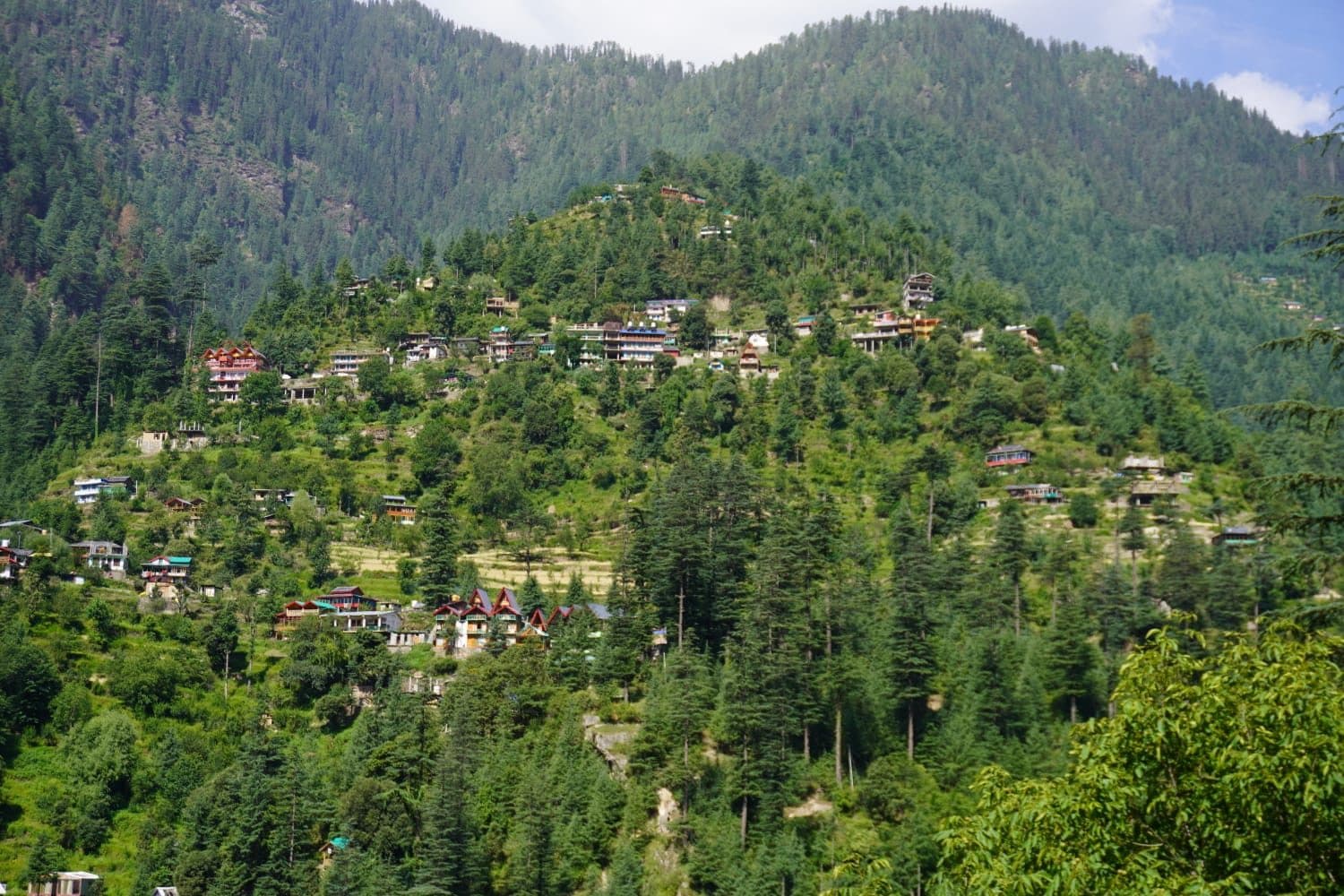
Jibhi sits in the Banjar Valley of the Seraj region, Kullu district, Himachal Pradesh, at around 2000 metres. It is quieter than Kasol. It is greener than Manali. It sits at the edge of the Great Himalayan National Park — a UNESCO World Heritage Site — and the Tirthan River runs below it with a clarity that city-dwellers tend to stare at without saying anything for a while.
A note before you read further: Jalori Pass — which appears on Day 2 of this plan — sits at 3,120 metres and is typically closed from late November through mid-March due to snowfall. If you are visiting in that window, the Day 2 plan shifts (more on this below). Everything else runs year-round.
Who This Itinerary Is For
Five days in Jibhi is not for everyone. It helps to know if it suits you before you plan.
Couples and small friend groups who want a proper break. This is not a checklist trip. There is intentional downtime built in, and it earns its place.
People who want to mix trekking and rest without committing to a full expedition. Day 2 is the most demanding. The rest of the itinerary stays manageable.
Remote workers and slow travellers. Jibhi has reliable Jio and Airtel in the village. Many cafes have Wi-Fi. If you want a few working mornings with evenings off, this plan accommodates that structure naturally.
Families with children above 8–10 years. Mini Thailand, Jibhi Waterfall, the cultural day at Chehni, and the Tirthan riverside are all accessible. Serolsar Lake on Day 2 is manageable for older children at a relaxed pace.
This may not suit you if you want nightlife, a packed sightseeing list, luxury hotel infrastructure, or are uncomfortable with narrow mountain roads. Jibhi has none of the first three and a fair amount of the last.
5-Day Overview at a Glance
Day | Main Activity | Effort Level |
Day 1 | Jibhi Waterfall, Mini Thailand, village walk, evening cafes | Easy |
Day 2 | Jalori Pass drive, Serolsar Lake or Raghupur Fort trek | Moderate |
Day 3 | Chehni Kothi, Bahu village, Balu Nag temple, Shringa Rishi | Moderate |
Day 4 | Full day trip to Shangarh meadows, Siund falls on return | Easy–Moderate |
Day 5 | GHNP gate trek, trout fishing, Larji confluence, departure | Easy |
How to Reach Jibhi
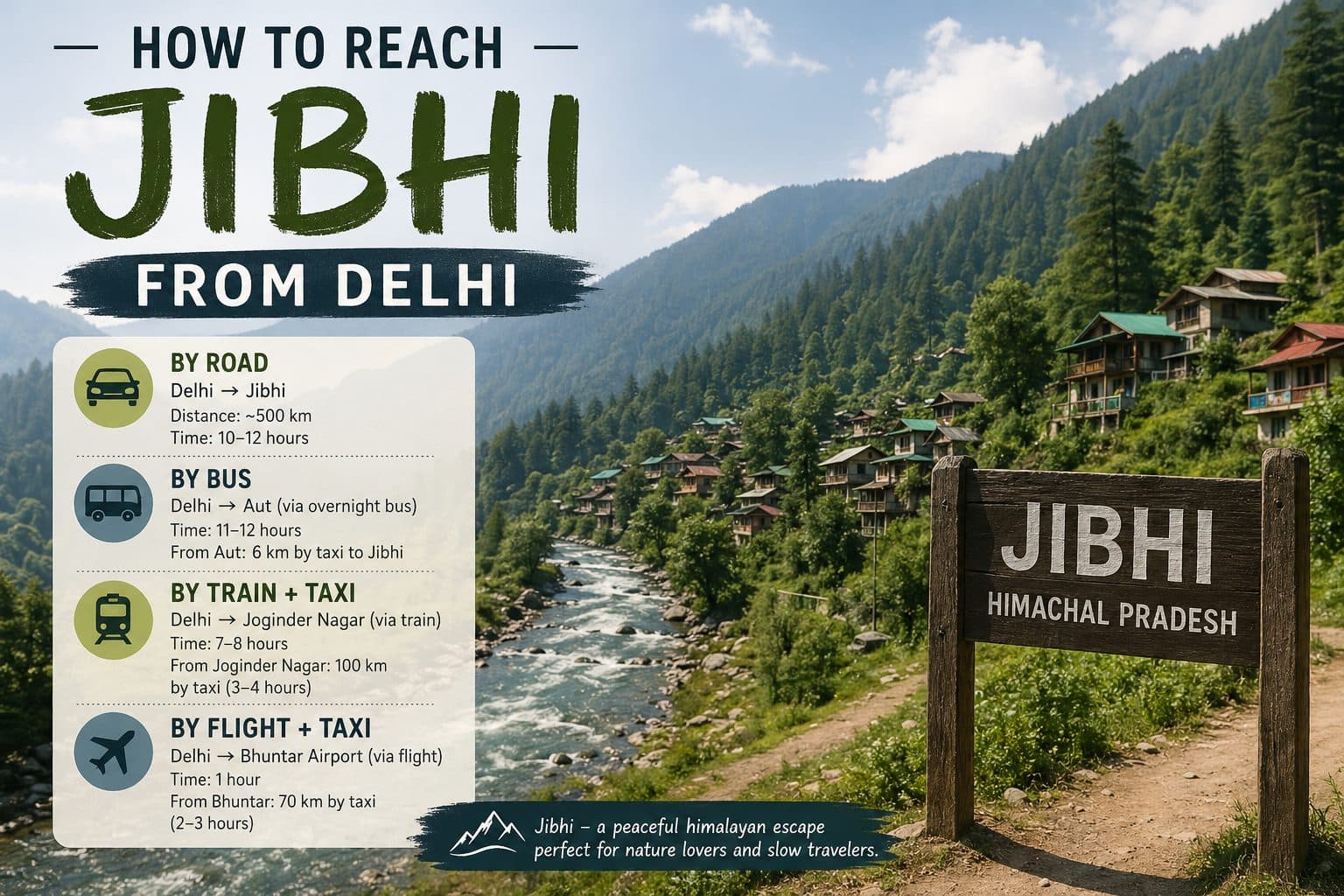
All roads to Jibhi pass through Aut — a junction town on NH-305 where the Beas Valley splits from the Seraj region. This is where you leave the Manali highway and climb into a different kind of Himachal.
From Delhi by bus: Board an overnight Volvo or HRTC bus from ISBT Kashmiri Gate toward Mandi or Kullu (departs 8–10 PM, ₹900–1,400). Get off at Aut. Shared cab to Jibhi run from early morning. Budget ₹500 per person for the shared leg, or hire a full taxi for ₹1500-2500 dependeing on cab type.
By own car from Delhi: NH44 to Chandigarh, then Bilaspur → Mandi → Aut → Banjar → Jibhi. Approximately 500 km; allow 10–12 hours. The road from Aut onward is steep and winding — do not drive it after dark on a first visit.
From Chandigarh: 7–8 hours by car; 9–10 hours by bus (HRTC or private). Take the Mandi route.
From Shimla (alternate): Shimla → Narkanda → Jalori Pass → Jibhi. Scenic and dramatic but Jalori Pass must be open (confirm before using Nov–Apr). Approximately 160 km, 5–6 hours.
Important: Fuel up and withdraw cash at Aut or Banjar. The ATM in Jibhi market is unreliable, especially on weekends when it runs empty. UPI works at most cafes in the village but nowhere reliably on treks or in Tirthan Valley. Carry ₹3,000–5,000 in notes before leaving Banjar.
Read our detailed blog about How to Reach Jibhi from Delhi
Day 1: Arrive, Settle, and Let the Valley Find Its Pace
If you have come by overnight bus, you reach Aut by 8–9 AM. Taxi to Jibhi takes another hour and a half on a good day, longer if the road has had rain. Most guests check in by noon and spend the first hour standing at the window trying to understand what the sound of the Tirthan River at full flow actually sounds like.
Do not plan a heavy first day. The mountain air does something to city-conditioned bodies — it slows you down whether you want it to or not. Work with it.
Jibhi Waterfall — Time: 30–40 minutes return
A ten-minute walk from the market leads into a forest of pine and deodar. The path crosses two wooden bridges, the air gets noticeably cooler, and the sound of the fall reaches you before the water comes into view. The waterfall itself is compact — it tumbles into a rocky pool rather than dropping dramatically. Keep your expectations honest. What makes it worth visiting is the trail, not the fall.
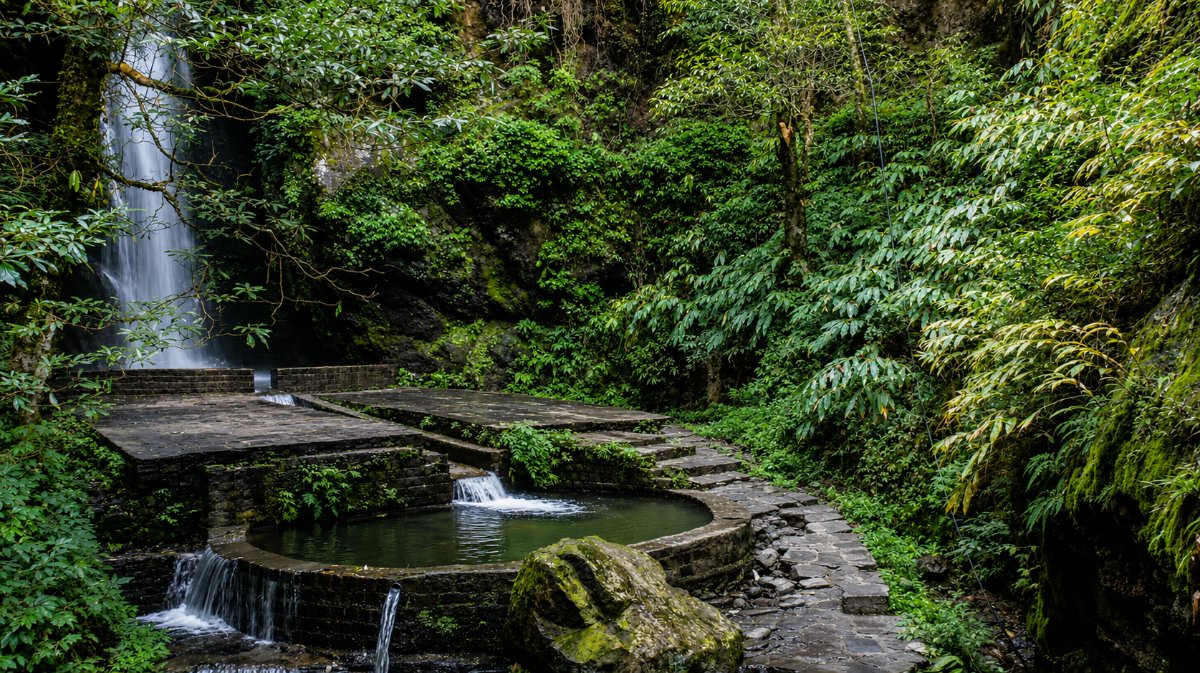
Go in the late afternoon when the light comes through the trees at an angle. Avoid it after heavy rain in monsoon when the rocks get dangerous.
Mini Thailand (Kulhi Katandi) — Time: 45–60 minutes
About 2.5 km from Jibhi, near Ghiyagi village, the Tirthan River cuts between two massive rock formations and pools into clear, turquoise water. The name “Mini Thailand” stuck somewhere on social media and it is accurate enough — in good afternoon light, the colour of the water is genuinely unexpected for a mountain river in Himachal Pradesh.
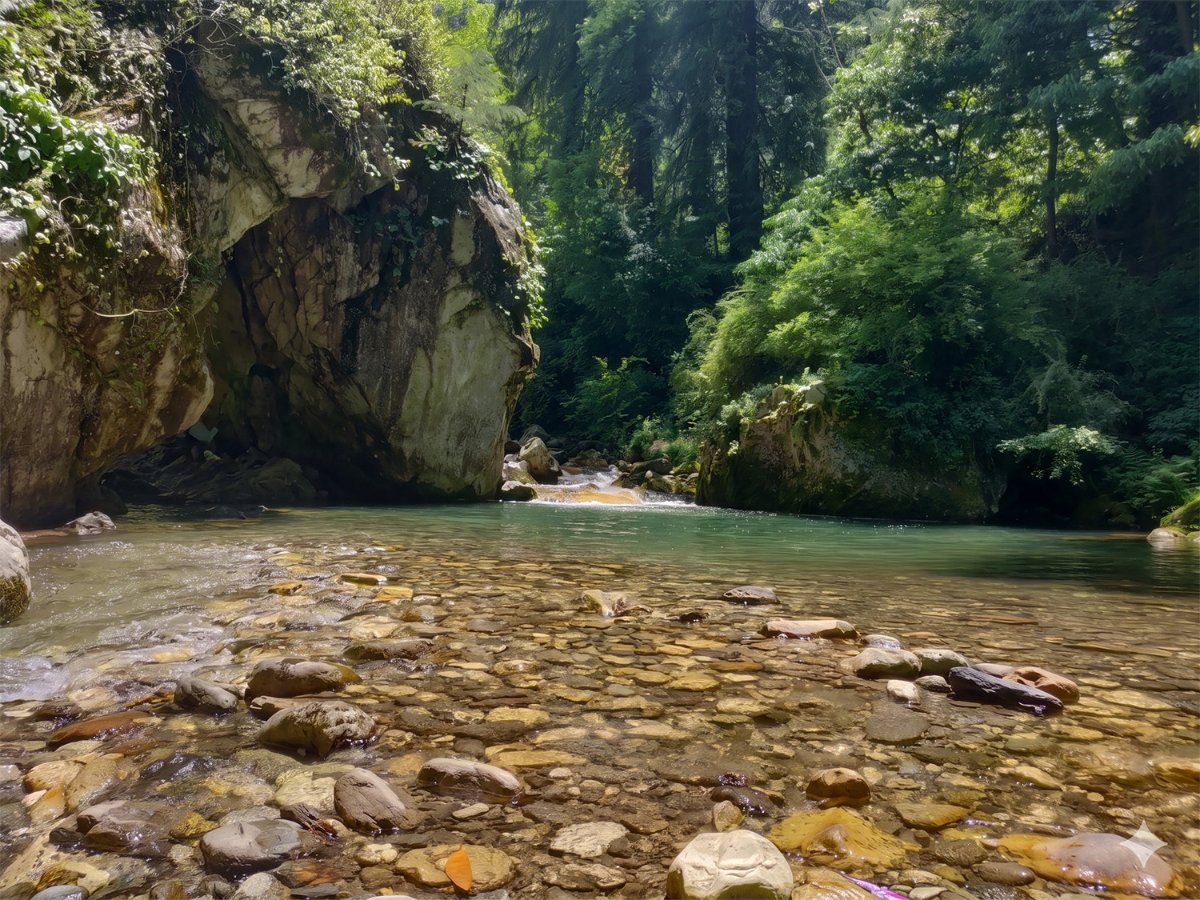
Go at midday to early afternoon when the sun hits the water directly. Wear shoes you are fine getting wet. On peak summer weekends this place gets crowded and loses most of what makes it worth visiting — a weekday in April or October is the best version of it.
Monsoon note: After heavy rain, water levels rise fast and the access path becomes slippery. Check with your host or a local before walking down — the pools can be unsafe to enter when levels are high.
Village Walk and Evening Cafes
Walk back through the village as the light goes. Jibhi market is a small stretch of wooden shopfronts, cafes, and the occasional apple orchard pressed up against the road. In the evenings the valley goes quiet very quickly after sunset. The temperature drops faster than most visitors expect, even in May. People who arrived in a t-shirt at noon are reaching for a jacket by 7 PM.
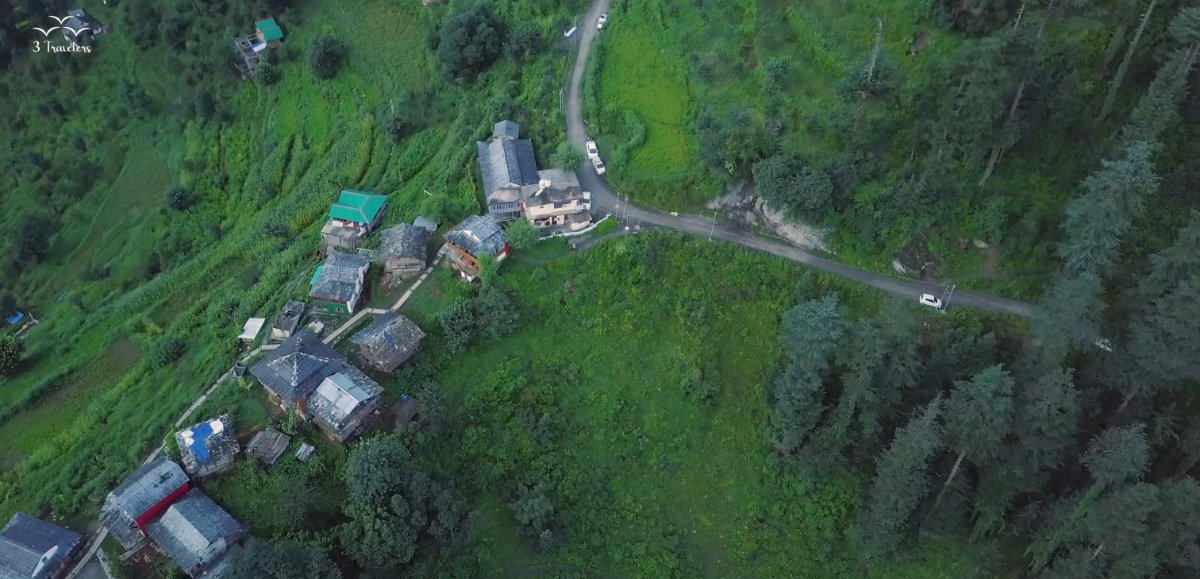
A few cafes worth sitting at on a first evening:
The Pink Panther — good terrace, eggless cakes, relaxed pace. Suits a first-evening wind-down well.
Polka Cafe — small, popular, and worth the wait. Go before 7 PM on weekends.
Cafe Bleeblu — better for a forest feel than a market view. Quieter.
Jungle Valley — slightly off the main road, less foot traffic. Good for a full dinner if you want to eat before 8 PM.
If the sky is clear after dinner, step outside for five minutes. There is almost no artificial light in this valley after 9 PM. On a clear night, the stars are the kind that make city people go quiet for a moment.
Day 2: Jalori Pass and the High-Altitude Circuit
This is the day people plan a Jibhi trip around. Set the alarm for 7 AM. Leaving at 8:30 is ideal; 9:30 is too late.
The drive to Jalori Pass is 12–13 km from Jibhi and takes 35–45 minutes. The road climbs steeply through hairpin bends, gaining over 1,500 metres in elevation. Views improve with every bend. By the time you reach the top, the valley has opened in a way that justifies the drive on its own.
By taxi: Local jeeps from Jibhi to Jalori Pass and back cost ₹1,500–2,000 for the vehicle. Fix the rate the evening before. Most drivers know both treks and can wait at the top.
Network note: Signal weakens on the road to Jalori and disappears almost entirely on both trekking trails.
If Jalori Pass is closed (typically late November through mid-March): Shift Day 2 to the cultural itinerary described in Day 3 below, and use Day 3 for a Shangarh day trip instead. The plan holds together.
Choose One Trek — Do Not Try Both
Serolsar Lake and Raghupur Fort both start from Jalori Pass in opposite directions. Attempting both properly means rushing both. Pick one.
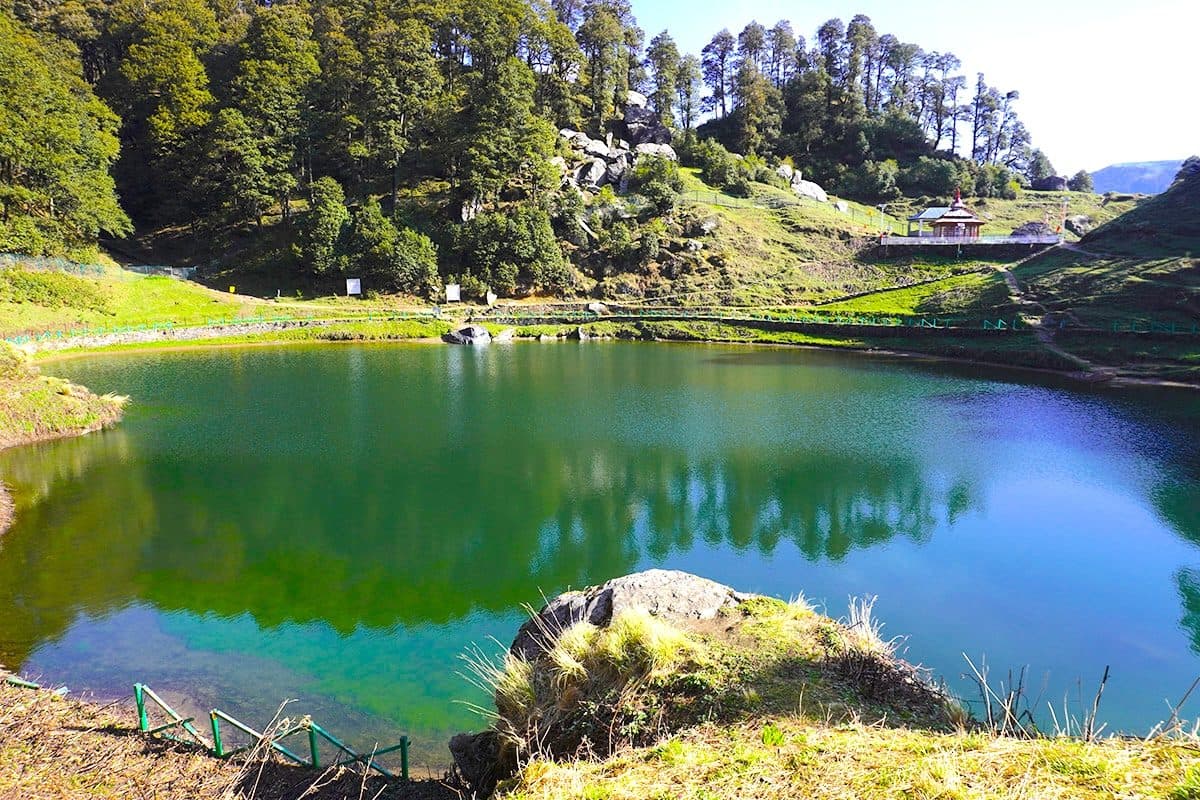
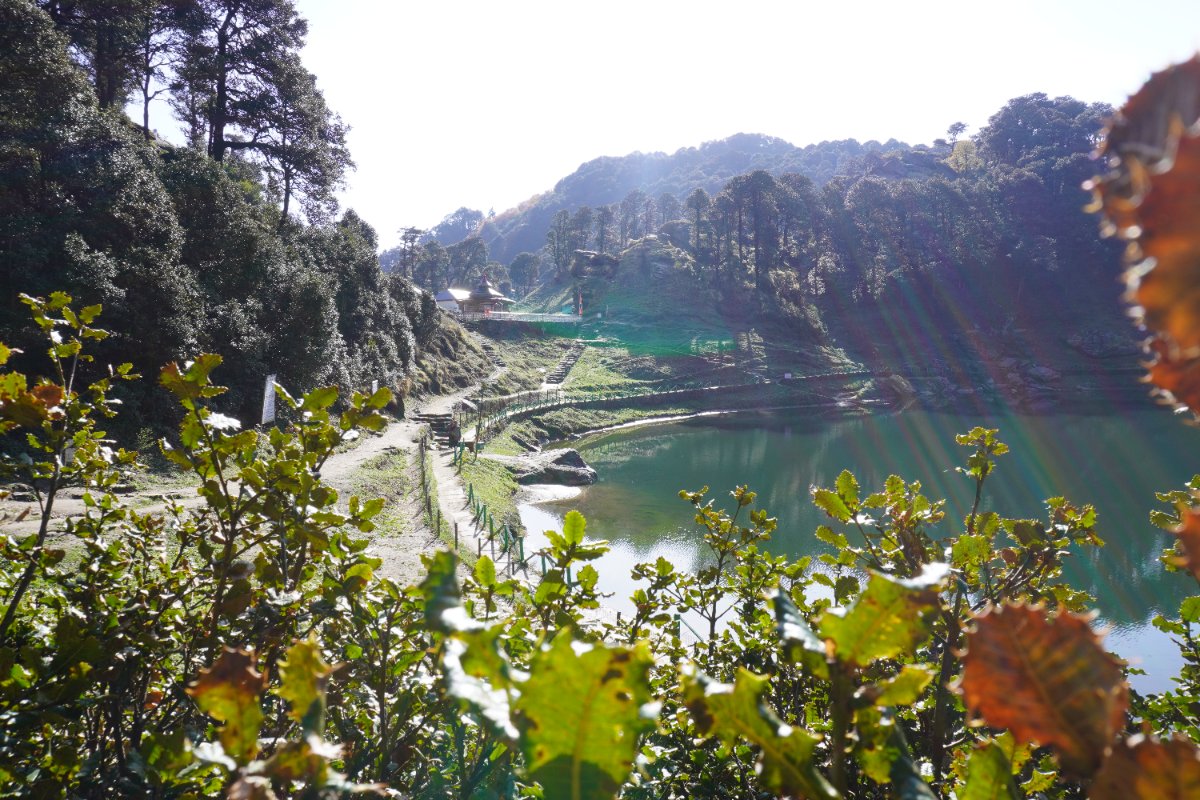
Serolsar Lake (recommended for first-timers and families): 5 km one-way, 1.5–2 hours up, gradual forest path through golden oak and rhododendron. The lake sits at 3,100 metres in a circular clearing surrounded by trees on all sides. The Budhi Nagin Temple at the lakeside is a local religious site — do not swim in the lake. On still mornings the pine smell in the final stretch before the clearing is one of those details that becomes the memory of the trip rather than the photographs.
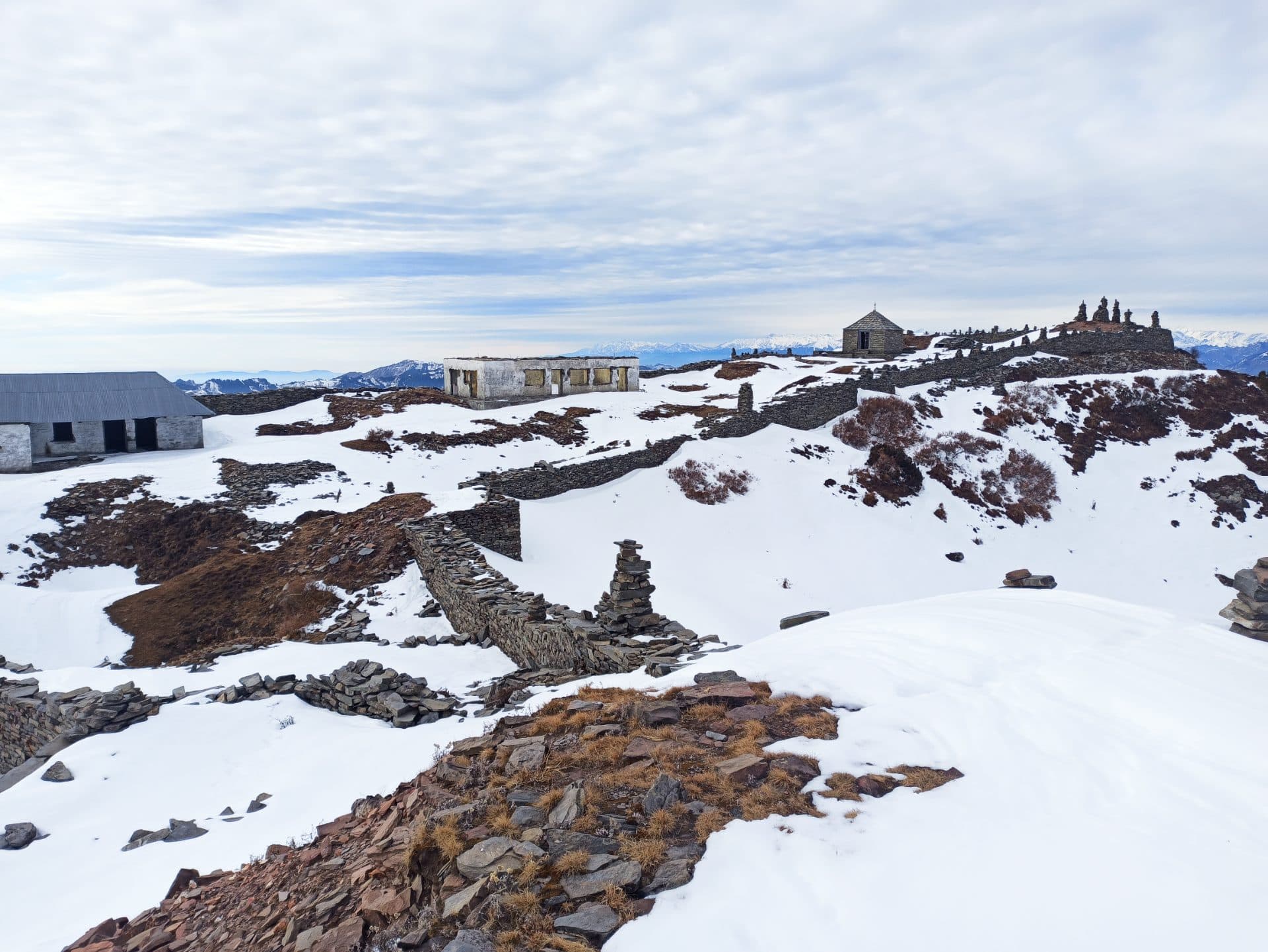
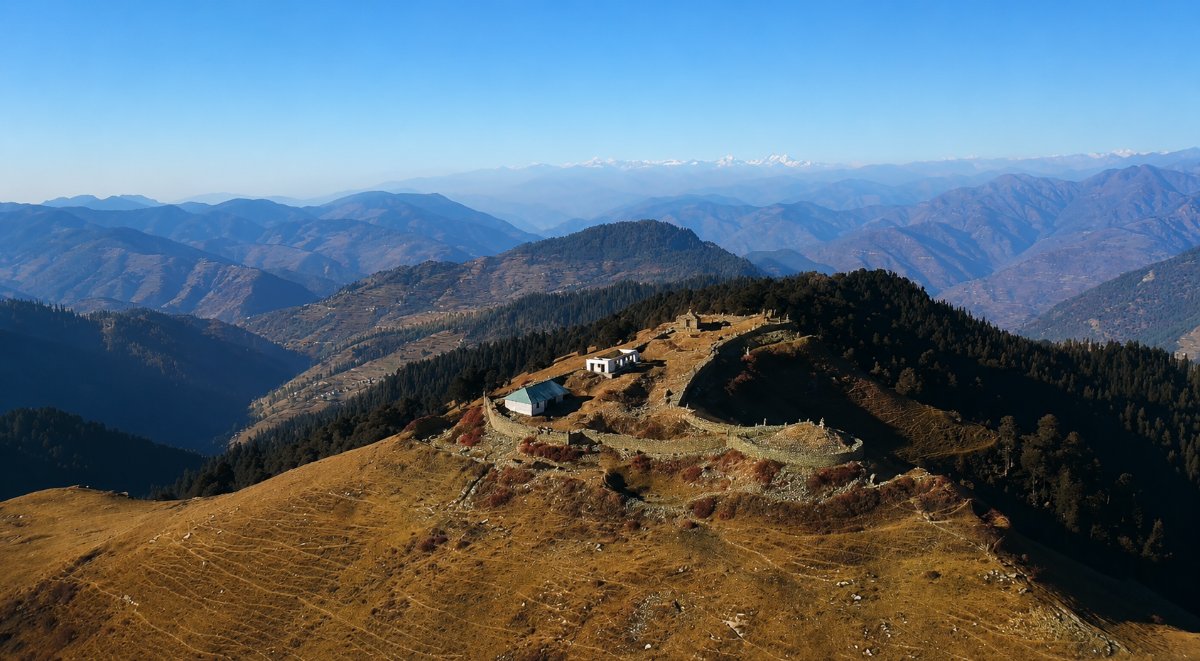
Raghupur Fort (recommended for those who want views over forest): 3 km one-way, 45 minutes up, steeper climb to the fort ruins at 3,300 metres. From the top: the entire Jibhi valley below, Tirthan and Kullu ranges on both sides, Jalori Pass visible behind you. 360° and very few people.
Altitude Note
The pass sits at 3,120 metres. If you are coming directly from Delhi or another low-altitude city, this is enough to slow your pace. Drink water steadily from the start — not just when thirsty. Take the first half of the trek slowly. Most people who struggle pushed too hard in the first 30 minutes. The return is always easier than the climb.
Trek | One-Way Distance | Elevation | Time (return) | Best For |
Serolsar Lake | 4.5 km | 3,100 m | 3–4 hours | First-timers, families, forest lovers |
Raghupur Fort | 3 km | 3,300 m | 2–3 hours | Panoramic views, photographers |
Both (not recommended) | — | — | 7+ hours | Experienced trekkers only, very early start |
Return and Evening
Back in Jibhi by 3–4 PM. Keep the evening simple. The legs will feel it, and that is not a complaint — it means Day 2 went well. There are small dhabas near the market that do a good rajma-chawal or thali. Eat early. This day tends to be the one people talk about longest after the trip ends.
Day 3: Chehni Kothi, Bahu Village, and the Cultural Heart of the Valley
Day 3 pulls you away from altitude and into the older, quieter parts of this region — the villages that existed long before anyone thought to put a cafe next to a viewpoint.
Start by 9 AM. Pack water and a jacket.
Chehni Kothi Tower
About 8–10 km from Jibhi, the village of Chehni sits on a ridge above the Banjar Valley. A 45-minute uphill walk from the road leads to the village — and to the Chehni Kothi tower, a 17th-century Kath-Kuni structure that originally rose to twelve storeys. Five floors still stand.
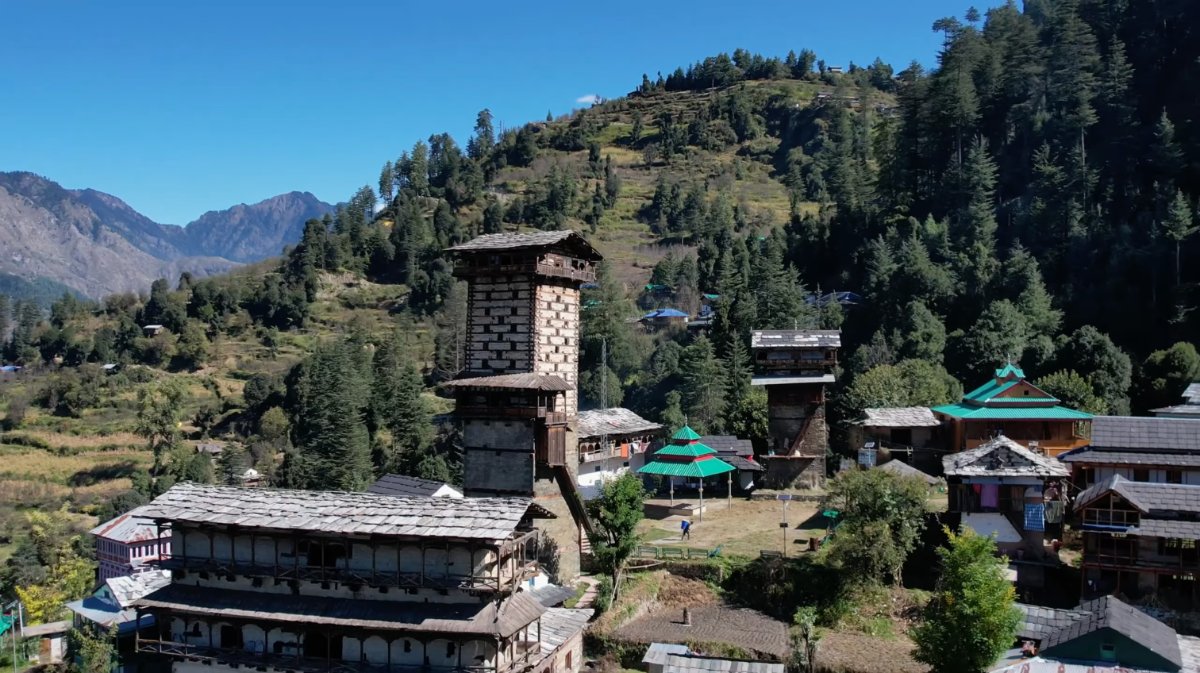
Kath-Kuni is the traditional Himachali building method — interlocking deodar timber with dry stone, no mortar, no nails. The design is seismically flexible; the absence of rigid joints allows the structure to absorb earthquake energy rather than resist and crack. This is why these towers still stand while modern cement construction crumbles around them. The entire village of Chehni is built this way. Walk through it slowly.
Practical note: The temple inside the tower complex does not permit entry to non-Hindus in certain inner sanctums. Respect the signs. The outer structure and village are fully accessible.
Shringa Rishi Temple, Baggi
8 km from Banjar, this three-tiered pagoda-style temple is dedicated to Shringa Rishi — the sage who performed the Putrakameshti Yagna for King Dasharatha in the Ramayana. Locals consider it the spiritual seat for the valley’s eighteen chief deities. The architecture is another example of Kath-Kuni craftsmanship. The carved wooden panels on the upper tiers are worth looking at closely. The temple is active, not a museum.
Bahu Village and Balu Nag Temple — Time: 3–4 hours including drive
9 km from Jibhi, then a 2.5 km forest walk from Bahu village leads to the Balu Nag (Anant Balu Nag) Temple in a high meadow surrounded by ancient deodar. The meadow itself is the reason to come — it sits at a height where the valley drops away and the surrounding peaks open up. The temple is modest; the setting is not.
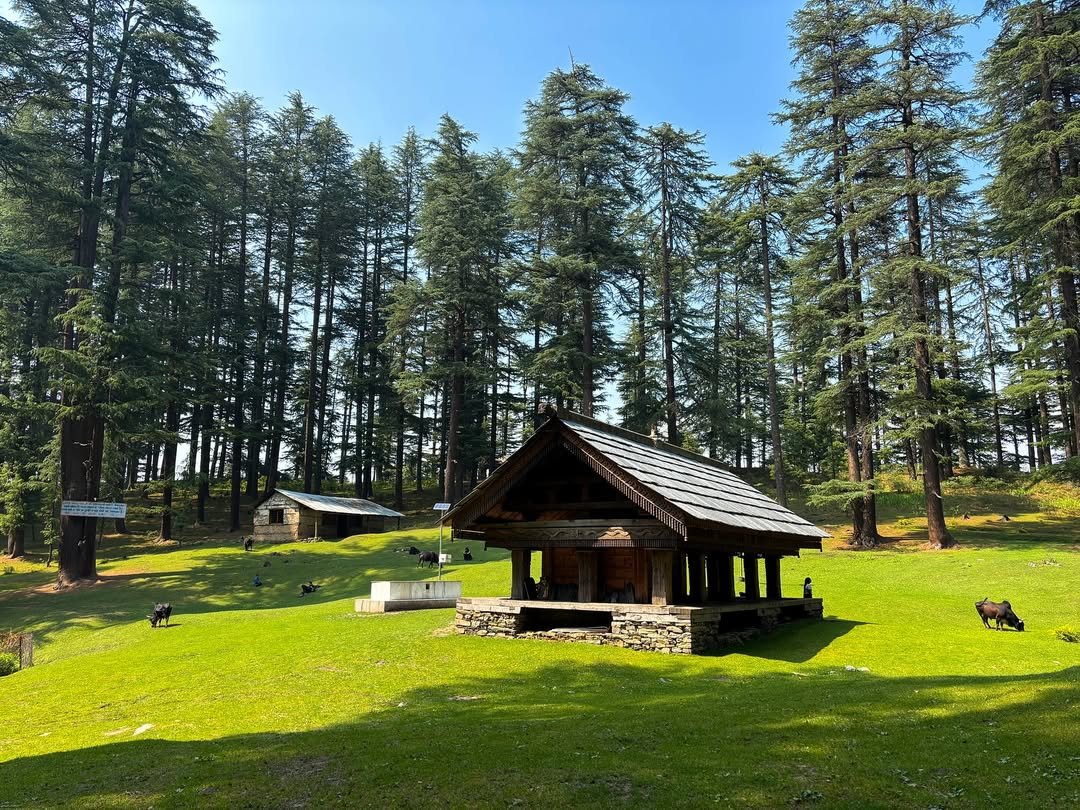
The site has almost no commercial activity around it. No stalls, no speakers, no crowd on weekdays. This is one of those places that is genuinely different from the Jibhi Waterfall experience — it requires some effort and rewards it proportionally.
Local note: The temple has a piece of local folklore around an iron trishul and some older stories about visitors who did not treat the site respectfully. Whether you give those stories weight or not, the place has a quality of silence that you do not find near the village.
Evening: Café Circuit, Jibhi Market
Return to Jibhi by late afternoon. This is a good evening for a longer sit at a cafe with better food — Forest Bean for the valley views and trout, Openbook Coffee & Library if you want something slower and quieter. Tenzin Cafe for Tibetan thukpa if the temperature has dropped.
By Day 3, most guests have found their rhythm in the village. The pace that felt slow on Day 1 is starting to feel normal.
Day 4: Shangarh Meadows and the Sainj Valley
This is the day most 5-day Jibhi itineraries get wrong — they either skip it entirely or route you to Kasol, which is a different trip and defeats the purpose of spending five days in one valley.
Shangarh is 56–57 km from Jibhi, about 1.5–2 hours each way on Himachal mountain roads. It sits in the Sainj Valley, which runs parallel to Tirthan on the other side of the ridge from Jibhi. The two valleys are separated by elevation and connected at Aut, where the Sainj meets the Beas.
Leave by 8 AM. This is a full day out.
The Drive: Aut → Sainj Valley → Shangarh
At Aut, take the left exit at the tunnel (right goes back toward Jibhi/Tirthan). The Sainj Valley road follows the river in a different direction — narrower, less travelled, greener in spring. The road climbs through villages that feel untouched by the volume of tourism the Tirthan side receives. Shangarh is at the end of this road, on a ridgeline.
By taxi: Arrange a full-day taxi from Jibhi for ₹4000-5000 depending on vehicle. Worth it for this day specifically — the road is not one for unfamiliar drivers.
Shangarh Meadow + Shangchul Mahadev Temple
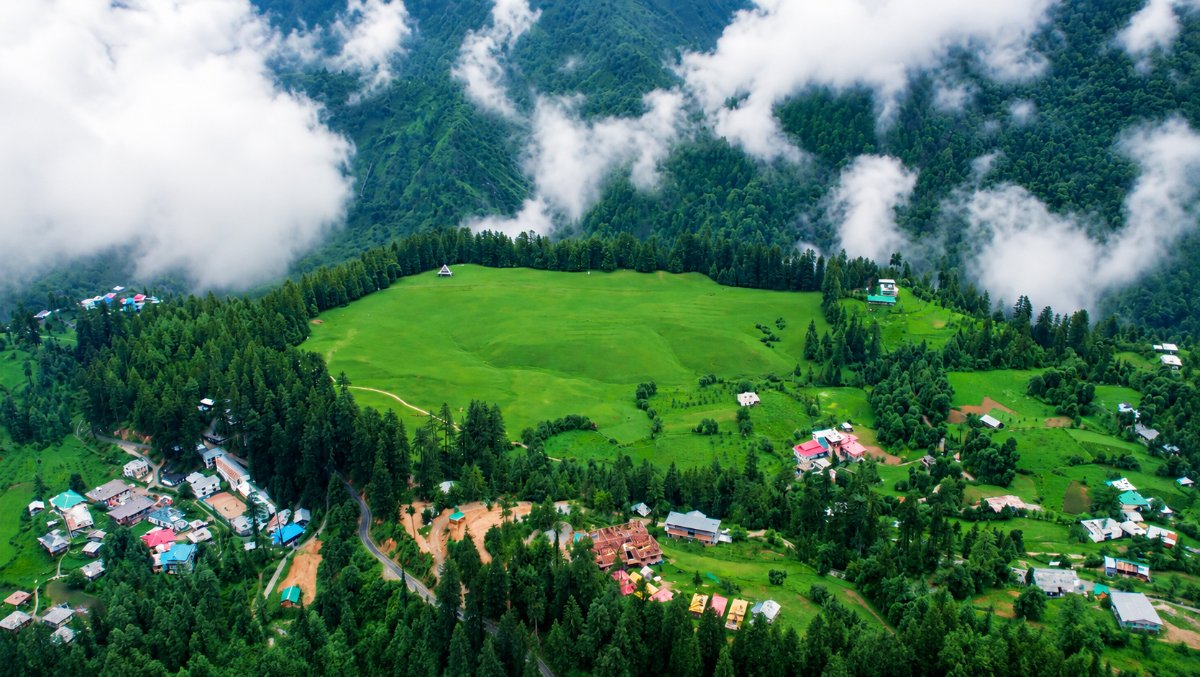
Shangarh is a flat, circular meadow at the top of the ridge, surrounded by dense deodar on three sides and open to the peaks on the fourth. The Shangchul Mahadev Temple sits at the edge of the meadow. The combination of the treeline, the temple, and the mountain backdrop behind it is the kind of view that becomes the phone wallpaper for the next six months.
Important: The central meadow is considered sacred by local villagers and should not be used for sitting, picnicking, or playing games. Walk around the edges. The deodar grove behind the temple is accessible and worth spending time in.
The village of Shangarh surrounds the meadow on two sides. It is entirely traditional — Kath-Kuni construction, working orchards, no hotels. A small dhabaa near the temple serves tea and simple food.
Barshangharh Waterfall
Barshangharh Waterfall
About 40 minutes from Shangarh on the road back toward Jibhi, a local-known waterfall sits accessible via a 250-metre steep downhill walk. There are almost no signs marking it. Ask your driver — most local Jibhi drivers know the spot. The descent is steep and the rocks are smooth; avoid in wet conditions. In good weather, the fall and the stream below it are genuinely worth the detour.
This is the kind of place that almost no travel blog covers, which is why it remains what it is.
Larji Confluence — photo stop on the way back
Just before Aut on the return drive, the Tirthan, Sainj, and Beas rivers meet at Larji. It is a small diversion — pull off the road, walk to the riverside, watch three rivers become one. The colour contrast between the rivers is visible in the right light. Allow 15 minutes.
Back in Jibhi by 6–7 PM. Rest.
Day 5: Tirthan Riverside, GHNP Gate, and Departure
The last day of a good mountain trip earns the right to be slower than the rest. Day 5 has activity in the morning and buffer built in before departure.
Check out of your Jibhi stay by 10 AM (confirm with your host). Drive to Gushaini — 17 km, about 40 minutes past Banjar on the main Tirthan road.
Gushaini Village
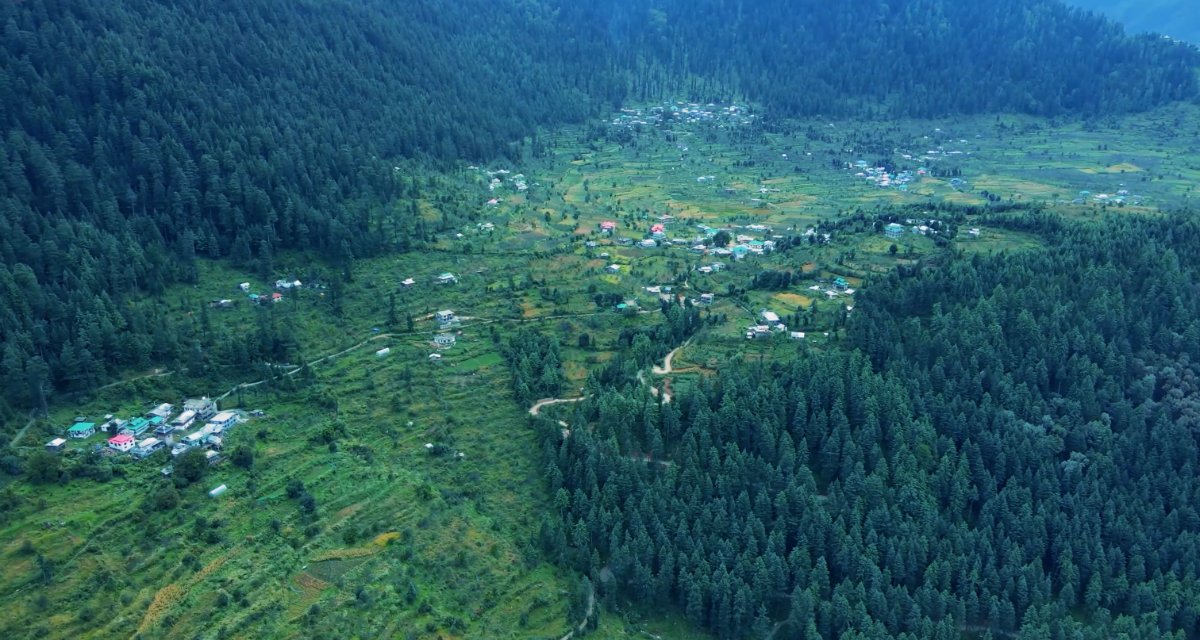
Gushaini is the heart of the Tirthan Valley’s eco-tourism. The village sits where the river widens before the GHNP buffer zone begins. Most of the serious trout fishing in the valley happens between here and Sai Ropa. The Tirthan River at this point is different from the stretch near Jibhi — wider, with larger pools, and the sound of it fills the village in a way that is hard to describe without experiencing.
GHNP Gate Trek / Hippo Waterfall — Time: 3–4 hours return
A trail from Gushaini follows the Tirthan River upstream through the villages of Ropa and Kharmocha toward the GHNP gate and the Hippo Waterfall (locally called Chuli Chaw — “hollowed palms waterfall”). The path stays close to the river throughout and passes through traditional wooden-bridge jhulas over the water. The waterfall sits just inside the park entrance zone.
Permits: Entry to the GHNP core zone requires a permit from the Sai Ropa Range Office (5–6 km before Gushaini on the approach road). The fee for Indian nationals is ₹50–100/day. The walk to the gate and Hippo Waterfall falls within the buffer zone — confirm the current protocol with the office when you pass, as it changes seasonally.
Best season: April–June and September–November. Avoid July–August when the trail becomes dangerous near the river in monsoon conditions.
Trout Fishing on the Tirthan — Afternoon
If you return from the trek by early afternoon, the remaining hours before departure can go to the Tirthan’s most famous offering: trout fishing.
The Tirthan holds both Brown Trout and Rainbow Trout, introduced during the colonial era and now thriving in the cold, oxygen-rich water. The fishing season runs from 1 March to 31 October — the government closes the river during the winter spawning period. Fishing outside this window is prohibited.
How to arrange it: Contact a local guide or eco-lodge in Gushaini the day before. Most can arrange rod, equipment, permit (₹100–300 from the Fisheries Department), and guidance as a package. Catch-and-release is the norm on most of the upper valley stretches — confirm the rules for the specific section your guide takes you to.
Afternoon is the optimal time for angling — the insect hatches that bring trout to the surface happen in the warmer evening light. Even if you have never fished, the experience of standing waist-deep in the Tirthan with a rod in your hand and the GHNP ridge above you is one of those things that justifies the extra days.
Departure from Aut
Gushaini to Aut is 35–40 km, about 50–60 minutes. Most overnight return buses for Delhi and Chandigarh depart Aut between 6 PM and 10 PM.
Sunday evening warning: The road near the Aut tunnel carries heavy return traffic on Sunday evenings as weekend travellers from Manali and Kasol all converge on the same route. Add 30–45 minutes to your journey estimate. Aim to reach Aut by 5 PM if your bus departs at or before 7 PM. Do not cut it close on a Sunday.
Approximate Costs for a 5-Day Jibhi Trip
Per person estimates based on a group of two sharing transport. Budget column assumes shared transport and simpler stays; mid-range assumes private transport and a 3,000–5,000/night room.
Item | Budget (per person) | Mid-Range (per person) |
Delhi–Aut overnight bus (each way) | ₹700–900 | ₹1,000–1,400 (Volvo) |
Aut–Jibhi taxi (shared vehicle) | ₹500–750 | ₹500–750 |
Stay per night (per room) | ₹1,200–2,500 | ₹3,500–6,000 |
Meals per day | ₹300–500 | ₹600–1,000 |
Day 2: Jalori Pass taxi (full vehicle) | ₹2000-2500(split) | ₹2500-3500 (split) |
Day 4: Shangarh full-day taxi | ₹3000-5000 (split) | ₹5,000–7,000 (split) |
Day 5: Gushaini day taxi | ₹2000-3000 (split) | ₹3000–3500 (split) |
Trout fishing permit + guide | ₹400–700 | ₹400–700 |
GHNP entry permit | ₹50–100/day | ₹50–100/day |
Season-by-Season Guide
Season | Conditions | What Changes | Recommended For |
Apr–Jun | 12–22°C, clear skies, wildflowers on Serolsar trail in May | Full itinerary works. Book stays 4–6 weeks ahead. | First-time visitors, families |
Jul–Aug (monsoon) | Heavy rain, green valley, landslide risk on some roads | Replace Jalori Pass day with cultural/village day. Avoid Mini Thailand in high water. Skip Hippo Waterfall trail. | Budget travellers comfortable with rain; not for first-timers |
Sep–Oct | 5–18°C, best clarity for photography, apple harvest | Full itinerary works. Trout season closes 31 Oct. Best month overall. | Everyone, especially photographers and trekkers |
Nov–early Apr | Jalori Pass often closed, possible snow in Jibhi from Dec | Rewrite Day 2: Chehni + Bahu. Rewrite Day 4: Shangarh (snow-dependent). Winter stays are quieter and often cheaper. | People who want solitude and snow; not for those needing the Jalori itinerary |
Things to Know Before You Arrive
The roads are narrow. From Aut onward, the road to Jibhi is single-lane in many stretches. Two vehicles have to pull aside for each other. Local drivers handle this without drama — they have done it ten thousand times. Unfamiliar self-drivers should go slowly, avoid the mountain road at night, and consider hiring a local taxi for the Jalori Pass and Shangarh days.
ATMs are unreliable beyond Banjar. The Jibhi market ATM runs empty on busy weekends. Withdraw what you need at Banjar or bring cash from the plains.
UPI works in the village; cash elsewhere. Cafes and most market shops accept UPI. Trek routes, dhabas up the mountain, local guides, and taxis: cash only.
Cafes close early. By 9–9:30 PM most places in Jibhi are shutting down. Plan dinner by 8 PM.
Temperature swings are real. A 26°C afternoon in May becomes 12°C after sunset. The Jalori Pass at 3,120 m is cold even in summer mornings. Carry a proper layer regardless of season.
Network at altitude. Jio and Airtel are reliable in Jibhi village. Signal drops on the Jalori road and disappears on both trek trails. Download offline maps the night before the trek day.
The river at night. If your stay is streamside, the Tirthan is audible through the night. This is not a noise complaint waiting to happen — it is the thing most guests mention first in the morning. Streamside rooms run slightly colder; keep an extra blanket accessible.
Common Mistakes on a 5-Day Jibhi Trip
Arriving late at night. The mountain road from Aut after dark is uncomfortable for first-timers. Time your bus to reach Aut by first light.
Trying to do both Serolsar and Raghupur on Day 2. One will suffer. Pick the one that matches what you actually want from a trek.
Leaving Shangarh out of a 5-day plan. It is the most underrated day of this entire itinerary and the gap that makes a 5-day Jibhi trip different from two 3-day weekenders.
Skipping the early start for Jalori. A 9:30 AM departure is too late. You hit the pass at midday heat, rush the trek, and return without recovery time. Leave by 8:30.
Not carrying cash. Mentioned above and worth repeating. Carry ₹3,000–5,000 in notes from Banjar onwards.
Overpacking the itinerary. The most common regret from extended Jibhi stays is not “I wish I had done more” — it is “I wish I had sat by the stream longer.” Rest is not filler. It is the point.
Where to Stay in Jibhi
Your stay in Jibhi shapes the trip more than the itinerary does. The two main choices are Jibhi village and Tandi.
Jibhi village is within walking distance of the waterfall, Mini Thailand, and the market cafes. Good for first-timers who want to orient quickly, or anyone arriving late and needing immediate access to food and amenities.
Tandi sits 7 km further up the valley. No road noise. The river sound is clearer. Wider valley views. The tradeoff is a short drive or walk to reach the market. Tandi suits couples, slow travellers, and anyone staying specifically for the atmosphere rather than logistics. If you want to wake up to forest and moving water with nothing else in earshot, Tandi is the base.
If you are looking for a private treehouse or cottage with a personal hot tub — standalone unit, no shared guesthouse corridors — Winterfell Treehouse and Cottages has properties at both locations. Rates from ₹4,500/night. We can also help arrange a local taxi from Aut on arrival if needed.
Book directly: winterfelljibhi.com or WhatsApp. We will confirm availability, answer questions, and help you decide which unit suits your travel dates before you book anything.
Frequently Asked Questions
Is 5 days in Jibhi too long?
Not if you approach it correctly. The mistake is trying to fill five days with sightseeing. This itinerary has two demanding days (Day 2 and Day 4), one cultural day, one arrival day, and one departure day. The rhythm works.
Can I do Shangarh as a day trip from Jibhi?
Yes. It is 56–57 km from Jibhi, about 1.5–2 hours each way on Himachal mountain roads. Leave by 8 AM and you have a full day there with time to stop at Siund and Larji on the return. Hire a local driver — this is not a road for first-time mountain driving.
What if Jalori Pass is closed during my visit?
The pass is typically closed from late November through mid-March. If this affects your visit, move the cultural itinerary (Day 3 above) to Day 2, and use Day 3 for Shangarh. You keep five full days without losing anything significant.
Is this itinerary suitable for families with children?
Yes for children 8 and above. Jibhi Waterfall, Mini Thailand, the Chehni village walk, and the Tirthan riverside are all accessible. For the Serolsar Lake trek on Day 2, the trail is gradual and suitable for older children at a relaxed pace. Raghupur Fort has steeper sections near the top and suits fitter older kids or teenagers. Day 4 in Shangarh has no technical requirements.
Can I do this trip in winter?
Yes, with adjustments. Jalori Pass closes in heavy snow (usually late November to mid-March). Replace Day 2 with the Chehni + Bahu village day. If Shangarh has light snow, Day 4 becomes one of the most beautiful days of the trip — the meadow in white is genuinely worth it. Winter Jibhi is quieter, stays are cheaper, and the valley has a particular stillness that attracts a different kind of traveller. Be prepared for icy roads and carry extra cash.
When is the best time to visit Jibhi for 5 days?
September and October are the best overall. Clear skies, good trail conditions, apple harvest, low humidity, and fewer crowds than summer. April to June is second-best — wildflowers, full waterfalls, and reliable weather. Avoid the first two weeks of June if you want to avoid Delhi and Punjab school-holiday rush.
Is Jibhi better than Kasol or Manali for an extended stay?
For a slow, village-based trip: yes. Jibhi is quieter, greener, and less commercially developed. It does not have the party atmosphere of Kasol or the resort infrastructure of Manali. If that is what you want, Jibhi is not the right trip. If you want to genuinely decompress with trekking and cafes and river sound, it is.