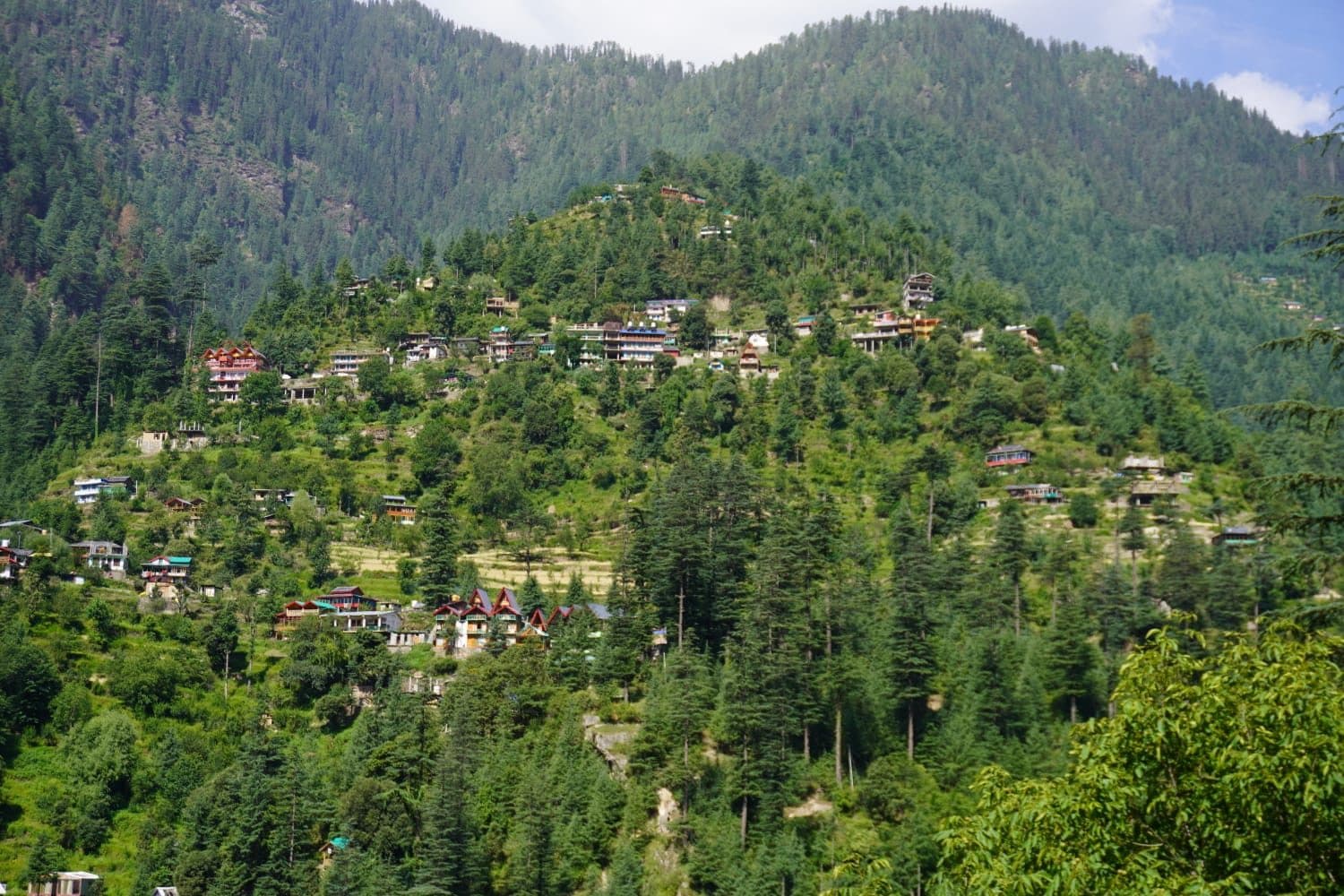
If you're staying in Jibhi and wondering what to do beyond the river and the cafes, the Serolsar Lake trek from Jibhi is the answer. It's one of the most rewarding day treks in the entire Tirthan Valley region - dense deodar forests, a sacred glacial lake, and views that make the climb entirely worth it. Best part? It's accessible for everyone, from first-time trekkers to seasoned hikers.
How Far is Serolsar Lake from Jibhi?
Serolsar Lake is approximately 13 km by road from Jibhi, followed by a 4 km trek on foot one way. Most guests staying in Jibhi hire a local cab or bike to the trailhead at Jalori Pass, then begin the trek from there.
The total time from Jibhi to the lake and back is typically 5 to 7 hours, making it a very comfortable day trip if you start early in the morning.
Route breakdown:
Jibhi → Jalori Pass (by road, ~1 - 2 hours)
Jalori Pass → Serolsar Lake (4 km trek, ~1-1.5 hours one way)
Return journey (downhill, slightly faster)
Pro tip: Start by 7-8 AM to reach the lake by mid-morning. This gives you 2-3 hours at the lake before heading back, and you'll reach Jibhi well before sunset.
About the Serolsar Lake Trek: Trail Details & Landscape
Quick stats:
Trail start elevation: Jalori Pass (~3,120 m)
Lake elevation: ~3,100 m
Trek distance: 4 km one way
Difficulty: Easy to moderate
Duration: 2 hours up, 1.5 hours down
Best for: All fitness levels, families, first-time trekkers
What the Trail is Really Like
The trail is well-marked and passes almost entirely through old-growth deodar and oak forest-the kind of forest that feels timeless. You won't need a guide, though locals are always happy to accompany you for a small fee (₹200-500 for the day).
The path is mostly flat to gently ascending, with occasional steep sections near the lake. Even first-time trekkers find it manageable, though the elevation and thin air mean you'll feel the trek more than a similar distance at sea level.
Flora & Fauna
During spring (April-May), the forest floor is carpeted with wildflowers-rhododendrons, primulas, and alpine forget-me-nots. You might spot Himalayan birds like laughing thrushes, spotted woodpeckers, and occasionally eagles soaring overhead. In autumn, the deodar needles turn golden, creating Instagram-worthy moments at every bend.
Wildlife is shy-deer and the occasional wild boar live here, but sightings are rare. The silence of the forest is what you'll remember most.
The Lake Itself
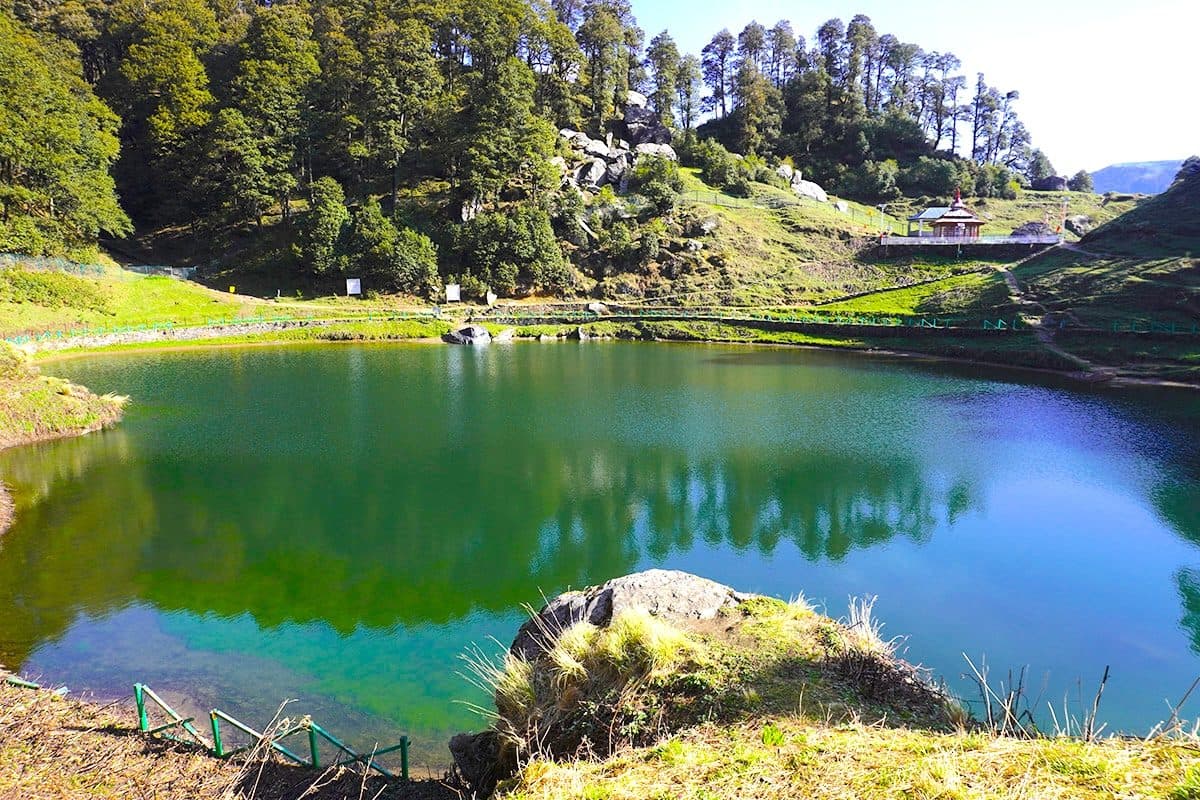
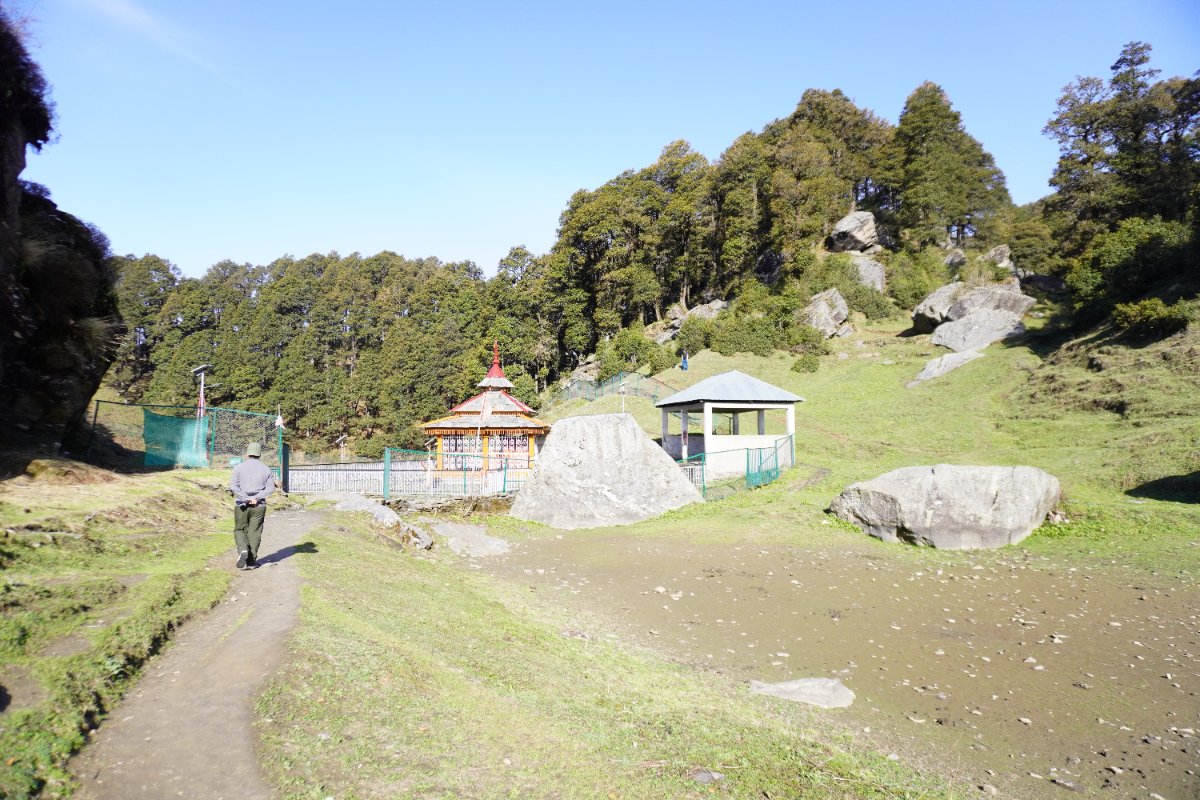
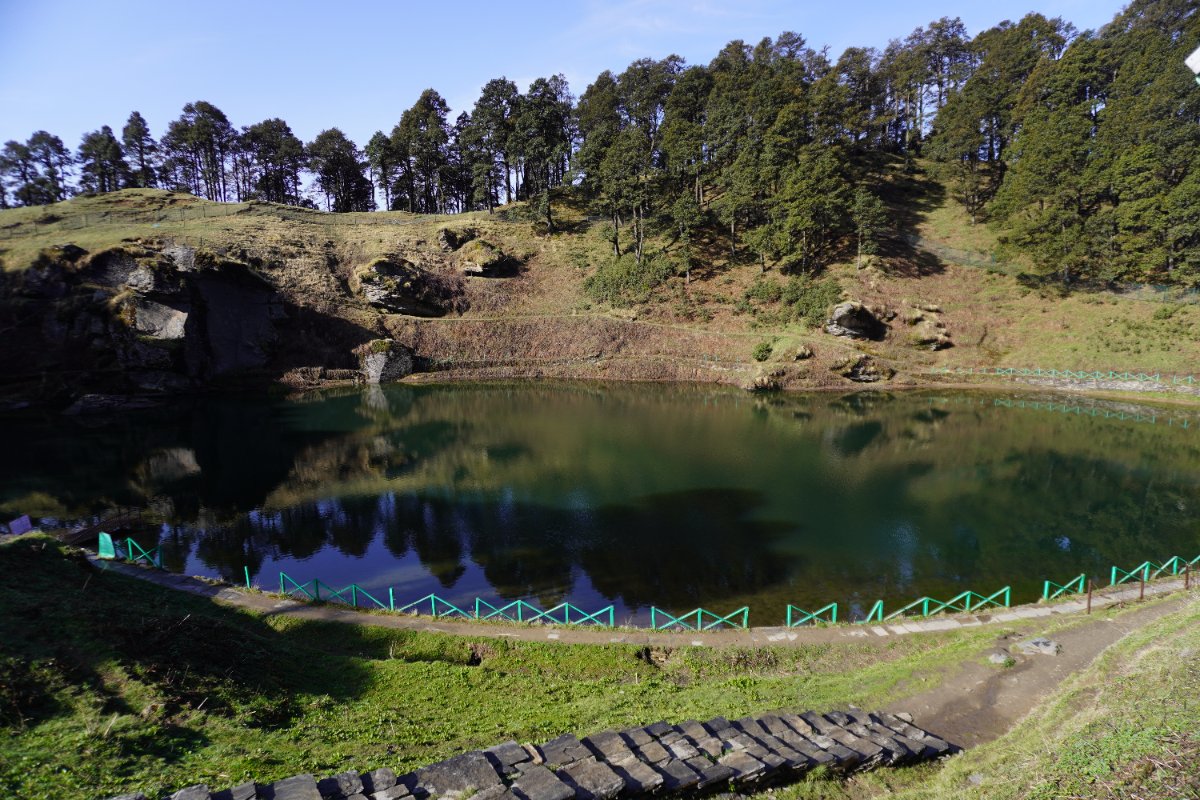
Serolsar Lake is small and pristine, still as a mirror on calm days. It's surrounded by dense forest that extends right to the water's edge. On the bank stands a small temple dedicated to Goddess Budhi Nagin (the serpent goddess), which locals consider sacred. Many people leave offerings here-flowers, coins, prayers. The spiritual energy of the place is tangible.
On clear days, you can see the snow-capped peaks of the Kinnaur region in the distance.
Best Time to Visit Serolsar Lake Trek
Choosing when to trek makes a huge difference. Here's the breakdown:
April to June - Lush Green & Popular
Weather: Mild, 12-18°C during the day, 5-8°C at night
Rainfall: Occasional afternoon showers (carry a rain jacket)
Trail condition: Fully open, no snow
Crowd level: Peak season-expect other trekkers, especially weekends
Best for: First-timers, families, photographers wanting green forests
Why go: Fresh greenery after winter, no altitude concerns, fully open trail
September to November - Crisp & Clear
Weather: 10-16°C during the day, 0-5°C at night
Rainfall: Post-monsoon clarity, very few showers
Trail condition: Excellent condition, trail is dry
Crowd level: Moderate-not peak season, but weekends are busy
Best for: Experienced trekkers, anyone wanting panoramic views
Why go: October especially is golden-the forest turns rust and gold, visibility is 360°, and the silence is unmatched. This is considered the most beautiful time to trek here.
December to March - Snow-Covered & Expert-Only
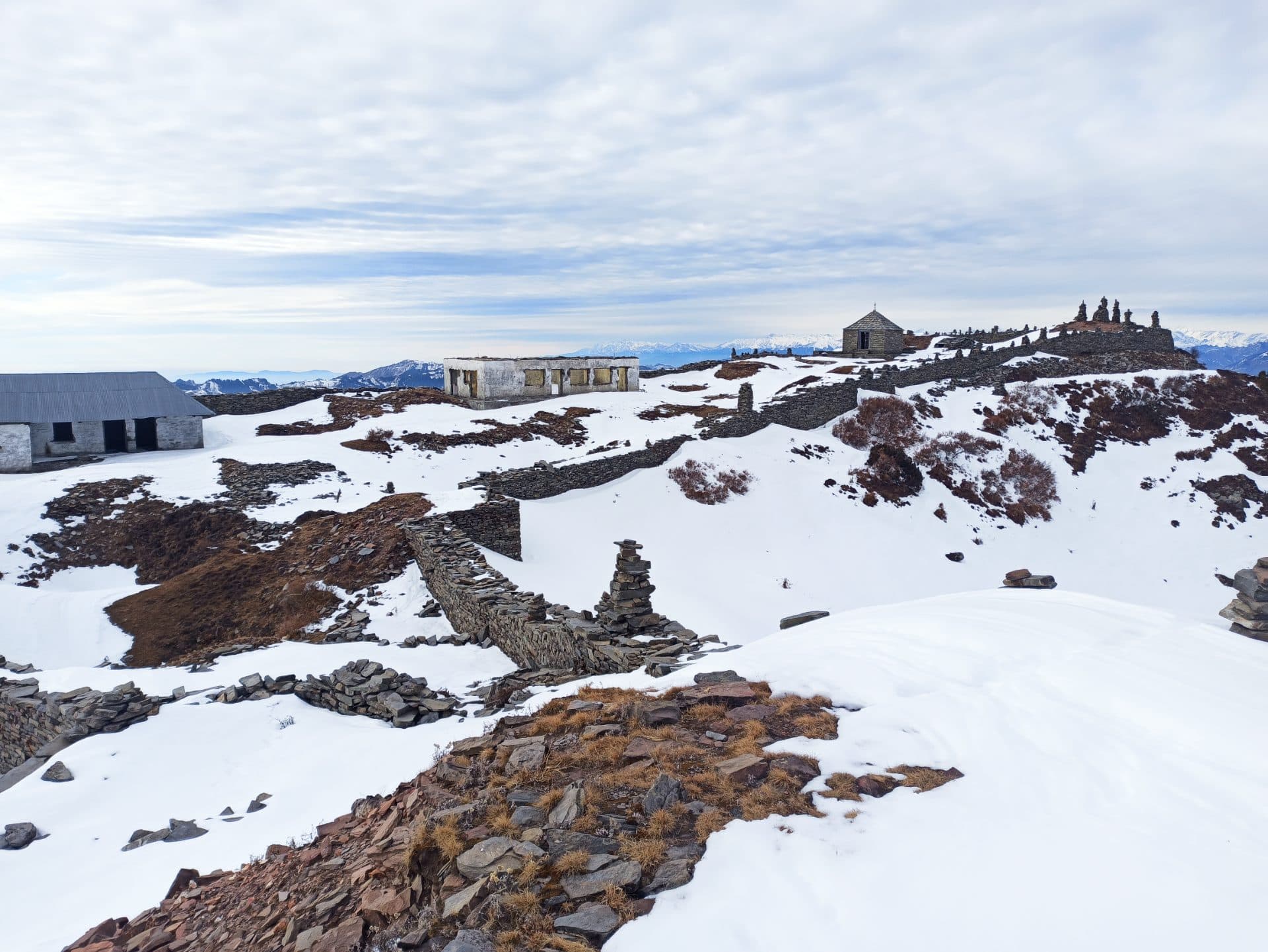
Weather: -5 to 5°C, snow at higher elevations
Rainfall: Heavy snowfall possible (January-February)
Trail condition: Often snow-covered, Jalori Pass road may close without warning
Crowd level: Almost zero
Best for: Experienced trekkers with winter gear, snow enthusiasts
Why avoid: Unpredictable weather, high altitude + snow = serious risk. Only attempt if you have winter trekking experience and proper gear.
Bottom line: April-June or September-November. October is objectively the best month, but it's also the busiest.
What to Carry: Essential Packing List
Here's not just what to bring, but why:
Water & Nutrition
Water: 1.5-2 liters per person
Why: There's no shop or stream water you can safely drink on the trail. Altitude + exertion = dehydration. A hydration pack is ideal.Snacks or packed lunch
Why: You'll be hiking for 4+ hours. Bring high-energy snacks (nuts, energy bars, dried fruit) and a lunch (sandwiches, chapatis, fruits). The lake is a perfect lunch spot.
Clothing
Light jacket even in summer
Why: You're gaining 300m+ elevation. Temperature drops 1°C for every 100m you climb. It's 15°C in Jibhi but 10°C at the lake, and windier.Long pants (avoid shorts)
Why: The trail has nettles and thorny plants. Long pants protect your legs from stings and scrapes.Trekking shoes with good grip
Why: The trail is muddy after rain and can be slippery near streams. Proper hiking boots with ankle support are better than shoes.
Sun & Altitude Protection
Sunscreen (SPF 50+) and lip balm
Why: You're at 3,100m-UV radiation is 30% stronger. Snow or water can reflect additional UV rays. Sunburn happens fast.Cap or wide-brimmed hat
Why: Sun protection + prevents heat loss at altitude.Sunglasses
Why: Protects eyes from UV and glare on the lake.
Navigation & Emergency
Fully charged phone .
Why: Cell reception is spotty.Basic first-aid kit
Why: Bring bandages, pain relief, and any personal medication. Nearest medical help is in Jibhi (1 hour by road).Headlamp or flashlight
Why: If you're trekking in autumn or winter, sunset comes early (5-5:30 PM). A light weighs nothing and prevents stumbling on the descent.
Optional but Nice to Have
Camera or phone for photos (the lake is stunning)
Hand sanitizer (no washrooms on trail)
Toilet paper + ziplock bag (carry out all waste)
How to Get There: Transportation from Jibhi to Jalori Pass
By Hired Cab or Bike
This is what 95% of trekkers do.
Cost: ₹1500-2500 for a cab (4 seats).
Time: 1-2 hours from Jibhi market to Jalori Pass (traffic is key fector).
How to arrange: Ask your guesthouse/hotel to arrange it the evening before. They'll have trusted drivers. Alternatively, ask at Jibhi market or use local apps.
Route: Jibhi → Jalori Pass → Serulsar Lake
Road quality: Decent motorable road, though bumpy in sections. The final 3km to Jalori Pass is steep.
By Your Own Vehicle
If you have a own vehicle/rented car or motorbike:
Jalori Pass has a parking area.
Parking is safe, but ask locals to keep an eye on it
In peak season (April-June), arrive early-parking fills up by 9 AM
On the return journey, drive cautiously and take breaks—most likely in Sojha—to allow your tires and brakes to cool down; overheating can cause brake failure on these steep gradients.
Is the Serolsar Lake Trek Difficult? Safety & Physical Prep
Short answer: No, it's not difficult. But altitude awareness matters.
Why People Find It Easy
Low technical difficulty-well-marked trail, no scrambling
Gradual incline-mostly gentle, easy to control pace
Distance is short-4 km is manageable
No special gear needed-regular trekking shoes and warm clothes suffice
Why You Still Feel It
Altitude: At 3,100m, the air has 30% less oxygen than sea level. You'll feel more tired than you'd expect.
Elevation gain: You're gaining ~300m over 4 km. It's slow but relentless.
Trail surface: Muddy sections and tree roots require concentration; they're not dangerous but require focus.
Who Can Trek Serolsar Lake?
✅ Families with kids aged 8+
✅ Fitness beginners (take your time)
✅ Older adults (if moderately active)
✅ People new to trekking
⚠️ People with serious heart or lung conditions (consult a doctor first)
Safety Tips
Start early: 7-8 AM gives you plenty of daylight for the descent. Descending in dim light is how accidents happen.
Take it slow: There's no rush. Slower pace = acclimatize better to altitude.
Hydrate constantly: Drink water every 15-20 minutes, even if you're not thirsty. Altitude masks dehydration.
Watch the weather: If clouds roll in thick or rain starts, turn back. Weather changes fast at altitude.
Respect the lake: Don't jump in or wade-the water is glacial melt and extremely cold. Hypothermia can set in within minutes.
Stick to marked trail: Locals know shortcuts, but they're for experienced hikers. Stick to the main path.
Tell someone where you're going: Leave your guesthouse a note with your expected return time.
Where to Stay in Jibhi Before the Trek
Starting from Jibhi means you wake up at your own pace, eat a proper breakfast, and reach Jalori Pass by 9 AM-which is the ideal time to begin the Serolsar Lake trek.
Why stay in Jibhi:
Closer to the trailhead (saves 1-2 hours travel time vs. staying in Banjar)
Better food and guesthouse options
Beautiful riverside village setting
Can do the trek without an overnight camp
Winterfell Treehouse and Cottages (Recommended)
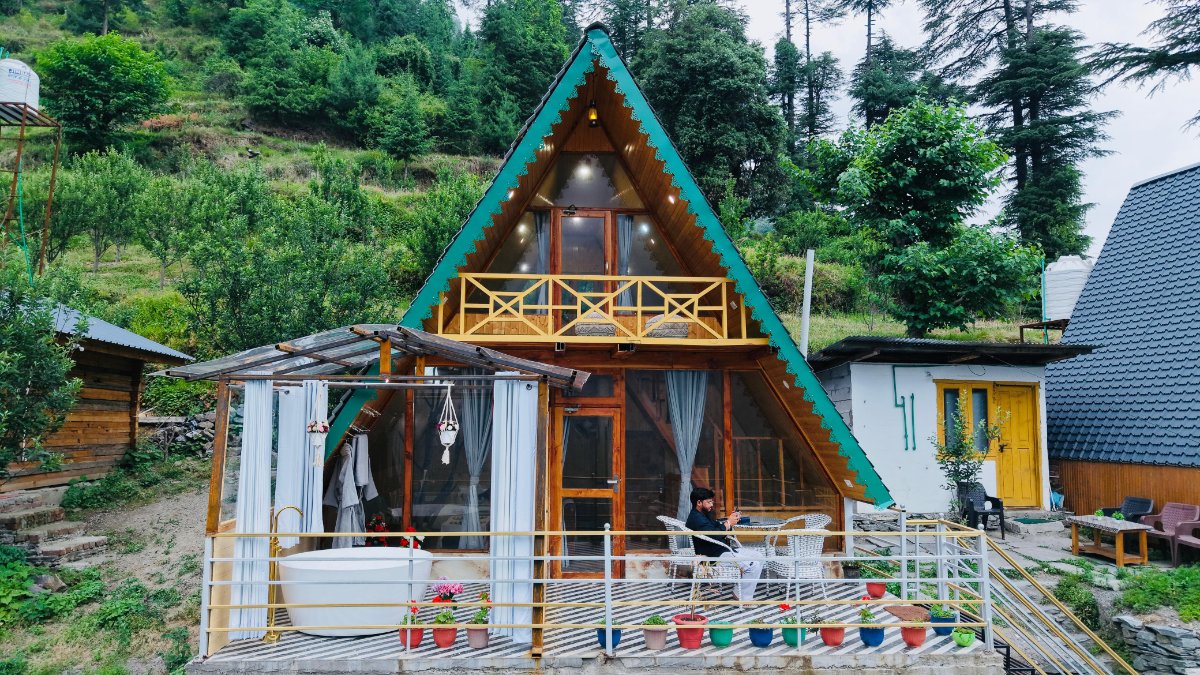
Our properties are located 2 km from Jibhi market, right where the valley opens up. Each cottage comes with a private hot tub-which, after a full day on the trail, feels less like an amenity and more like a necessity.
Units: Jibhi village (closer to market) and Tandi location (5 km out, higher elevation = head start on trek day)
Rates: Start at ₹4,000 per night
Check availability: https://winterfelljibhi.com/stays
Why here: Hot tub + good breakfast + host tips on the trek
Other options in Jibhi:
Various treehouse, cottages and homestays (₹1,500-5,000/night)
Cafes in the market area double as guesthouses
FAQ: Common Questions About Serolsar Lake Trek
Q: How difficult is the Serolsar Lake trek from Jibhi?
A: Easy to moderate. It's 4 km with gradual elevation gain, well-marked trail, and accessible for beginners. The main challenge is altitude (3,100m), not technical difficulty.
Q: What's the best time to trek Serolsar Lake?
A: October is objectively the best-golden forest, clear views, moderate crowds. April-June is also great but busier. September-November is ideal overall.
Q: Can I do Serolsar Lake trek in winter?
A: Only if you're experienced with snow trekking and have proper gear. The trail is often snow-covered December-March, and Jalori Pass road can close. Not recommended for beginners.
Q: Do I need a guide for Serolsar Lake trek?
A: No. The trail is well-marked and easy to follow. Guides cost ₹200-500 for the day if you want company or local knowledge.
Q: How much water should I bring?
A: Minimum 1.5 liters. There's no shop or safe drinking water on the trail. 2 liters is better if you're hiking slowly.
Q: Is there a fee to trek Serolsar Lake?
A: No entry fee for the trek or the lake.
Q: What's the elevation gain?
A: You start at Jalori Pass (~3,120m) and the lake is at ~3,100m. It looks like you're descending, but the actual trail gains and loses elevation multiple times. Total elevation gain is roughly 300-400m.
Q: Can kids trek Serolsar Lake?
A: Yes, kids 8+ years old can manage it comfortably. Younger kids can go but might need frequent breaks or to be carried part of the way.
Q: Is the temple at the lake active?
A: Yes. A small shrine to Goddess Budhi Nagin is maintained by locals. Respectful behavior is appreciated-remove shoes before entering.
Q: How crowded is the trek?
A: April-June is peak season-expect 20-50 people on weekends. September-November is moderate. Weekdays are quiet even in peak season.
Serolsar Lake Trek: Quick Facts
Distance from Jibhi: 13 km by road + 4 km trek.
Total Time (Round Trip): 5–7 hours.
Difficulty Level: Easy to moderate.
Elevation: Jalori Pass (3,120m) → Serolsar Lake (3,100m).
Best Season: April–June or September–November (October is best).
Entry Fee: None.
Parking Fee: ₹50–100 at Jalori Pass.
Guide Cost (Optional): ₹200–500 per day.
Permits: No permits required.
Recommended Stay: Winterfell Treehouse and Cottages, Jibhi (starting from ₹4,000/night).